

Can You Really Attract Good Luck?
Luck includes chance. No ritual, crystal, number, horoscope or mindset can guarantee a favorable outcome. But people can sometimes create more opportunities by paying attention, meeting more people, trying new things and acting on realistic openings when they appear.
Spiritual symbols and lucky rituals can still be enjoyable. The safest way to use them is as reminders of intention—not as forces that control probability.
30 Ways to Feel Luckier and Create More Opportunities
1. Keep a Gratitude List
Noticing things that went well can shift attention toward resources and support already present in your life. Gratitude is not a magnet that forces more good things to happen.
2. Track Small Wins
Write down completed tasks, helpful conversations, unexpected discounts, successful applications or other positive events. This can counter the tendency to remember only setbacks.
3. Define What “Lucky” Means to You
Luck in career, relationships, money and health are different. A clear goal makes it easier to recognize relevant opportunities.
4. Increase the Number of Attempts
If you want a job, submit more strong applications. If you want new friends, attend more social activities. More well-chosen attempts create more chances for a favorable outcome.
5. Try New Environments
A new class, event, route, volunteer role or professional group can expose you to people and information you would not otherwise encounter.
6. Follow Up
Many opportunities disappear because nobody follows up. Send the email, confirm the appointment or reconnect with the person you met.
7. Prepare Before Opportunity Appears
Keep your résumé updated, maintain useful skills, know your budget and have basic plans ready. Preparation can make an unexpected opening easier to use.
8. Ask for What You Want
People cannot respond to requests they never hear. Ask about the project, introduction, raise, collaboration or date when it is appropriate.
9. Build a Wider Network
Relationships often create access to information and opportunities. Focus on genuine reciprocity rather than treating people as shortcuts.
10. Help Other People
Kindness can strengthen relationships and community. It should not be treated as a karmic payment system that guarantees rewards.
11. Keep Learning
Skills increase the number of situations in which you are prepared to act. A short course, book, mentor or practice routine can expand future options.
12. Notice Confirmation Bias
If you believe you are unlucky, you may remember losses more vividly than wins. Tracking outcomes can give you a more balanced picture.
13. Use Visualization as Rehearsal
Visualize the steps of a presentation, interview or difficult conversation. Mental rehearsal can help you prepare; it does not program an aura to force the desired result.
14. Use Affirmations Carefully
Choose believable statements such as “I can prepare and take another useful step.” Avoid promises that fortune, money or love must arrive.
15. Treat Intuition as a Prompt to Check
A hunch can remind you to investigate an opportunity. For major health, financial, legal or safety choices, confirm it with evidence.
16. Keep a Coincidence Journal
Repeating numbers, songs or chance meetings can feel meaningful. Record them if you enjoy doing so, but do not use them as proof that a risky decision is safe.
17. Use Tarot for Questions, Not Timing Guarantees
The Wheel of Fortune, Sun or Star may inspire themes of change, optimism or possibility. They cannot identify a reliable “lucky window” for investing, gambling or major decisions.
18. Use Numerology Symbolically
A favorite number can become a personal ritual or reminder. Numerology does not identify objectively lucky dates or financial cycles.
19. Use Astrology as Reflection
Jupiter and Venus have traditional astrological associations with expansion, relationships and abundance. Their transits do not reliably predict investment returns, job offers or windfalls.
20. Keep Lucky Objects as Reminders
A clover, charm, crystal or coin may remind you to stay hopeful or prepared. Its value can be symbolic without claiming that it alters probability.
21. Respect the Cultural Meaning of Charms
Omamori, cornicelli and other protective or lucky objects come from particular traditions. Learn their context rather than treating all cultural symbols as interchangeable “energy technology.”
22. Keep Your Space Functional
A tidy entryway, organized desk or usable calendar can reduce friction and help you act on opportunities. Feng shui may add symbolic meaning, but clutter does not literally block fortune.
23. Move Your Body
Walking, stretching, dancing or other movement can support general wellbeing and create a useful break in routine. It does not shift a measurable luck field.
24. Laugh and Spend Time With People You Enjoy
Positive social experiences can improve a day and strengthen relationships. Joy is worthwhile without needing to describe it as a vibration that attracts prizes.
25. Review Setbacks for Useful Information
Ask what was controllable, what was chance and what you would change next time. Not every setback is a karmic lesson or message from the universe.
26. Use Forgiveness for Your Own Wellbeing
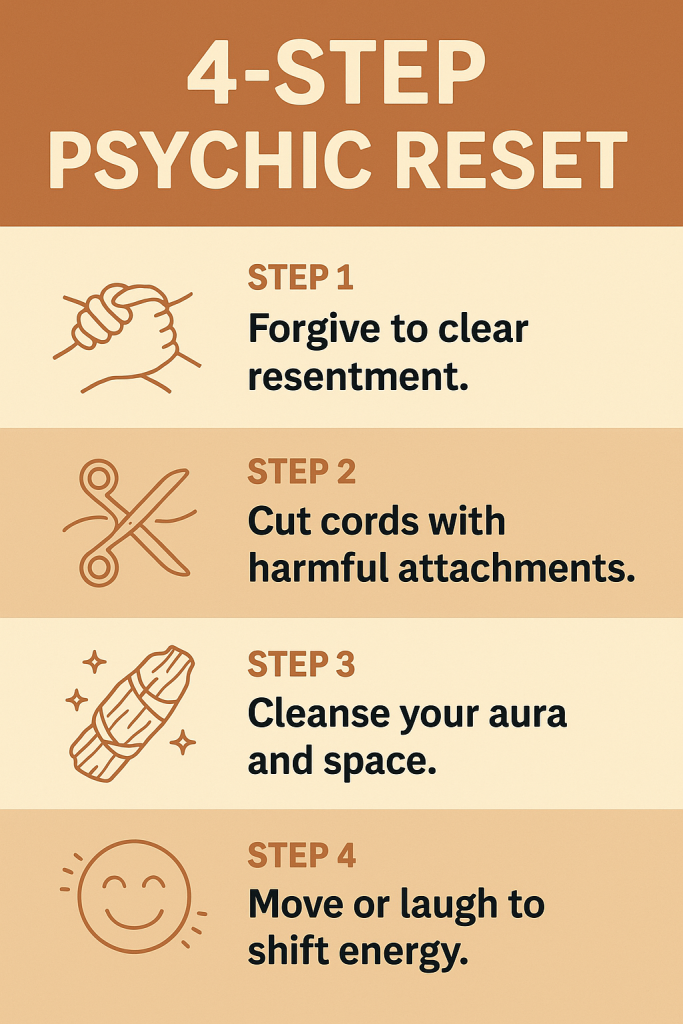
Forgiveness can be a personal decision about how much attention you want to keep giving an old injury. It does not clear an aura or unlock a waiting job offer.
27. Use Symbolic Release Rituals
An unsent letter, cord-cutting visualization or candle ritual can mark a transition. Treat it as symbolism, not as removal of a literal energetic block.
28. Keep Dream Notes for Reflection
Dreams may surface worries, hopes and memories. They do not reliably reveal where future luck is hiding.
29. Take Informed Risks
New opportunities often require uncertainty. Compare potential benefit, downside, cost and alternatives. Feeling “lucky” is not a substitute for risk assessment.
30. Review What Actually Works
After a few weeks or months, look at your outcomes. Which habits created more conversations, applications, ideas or useful connections? Keep the practices that produce practical value.
What About “Energy Alignment”?
Some spiritual traditions use energy as a metaphor for mood, focus or personal presence. There is no established method for measuring a personal vibration that attracts external luck.
If the language feels meaningful, use it symbolically. Do not use “high vibration” or “bad energy” to blame yourself for random events, illness, financial losses or other people’s choices.
Can a Psychic Tell You When You Will Be Lucky?
A psychic may offer a symbolic impression about timing or opportunity. That is not a verified probability forecast.
For money, business, health, legal or safety decisions, use relevant evidence and qualified professional guidance.
Luck and Gambling
Lucky numbers, tarot cards, dreams and astrology do not improve the mathematical odds of gambling. Do not use spiritual tools to choose bets or chase losses.
Safer-gambling source: The Responsible Gambling Council explains that lucky numbers, rituals and previous outcomes do not change the odds of a random game. Feeling due for a win is not evidence that the next bet is safer.
Final Thoughts
You cannot control chance, but you can influence preparation, attention, effort, relationships and how often you place yourself in situations where opportunities can occur.
Lucky rituals can be enjoyable reminders. Let them add meaning without giving them responsibility for outcomes they cannot control.
Frequently Asked Questions
Can mindset make me objectively luckier?
Mindset can influence what you notice and how you respond, but it does not control random events.
Do crystals attract money or luck?
There is no established evidence that crystals change financial or random outcomes. They can be used as symbolic reminders.
Can tarot identify lucky dates?
Tarot can provide symbolic themes, not reliable probability forecasts.
Does astrology predict lucky financial periods?
Astrology has traditional timing systems, but they should not be treated as reliable financial forecasts.
Are repeating numbers signs of good luck?
They may feel meaningful, but they do not objectively predict an outcome.
Can decluttering improve luck?
Organization may make it easier to focus and follow through, but it does not change chance directly.
Should I take a risk because I feel lucky?
No. Evaluate the actual downside, evidence and alternatives first.
What is the most practical way to create more opportunities?
Prepare well, increase useful attempts, expand your network, follow up and review what produces results.
Related: practical and spiritual ways to support happiness and small changes that can improve your life over time.
Also useful: Manifestation and Positive Thinking: What Helps, What Doesn’t — for separating useful optimism from claims that thoughts control chance.


