
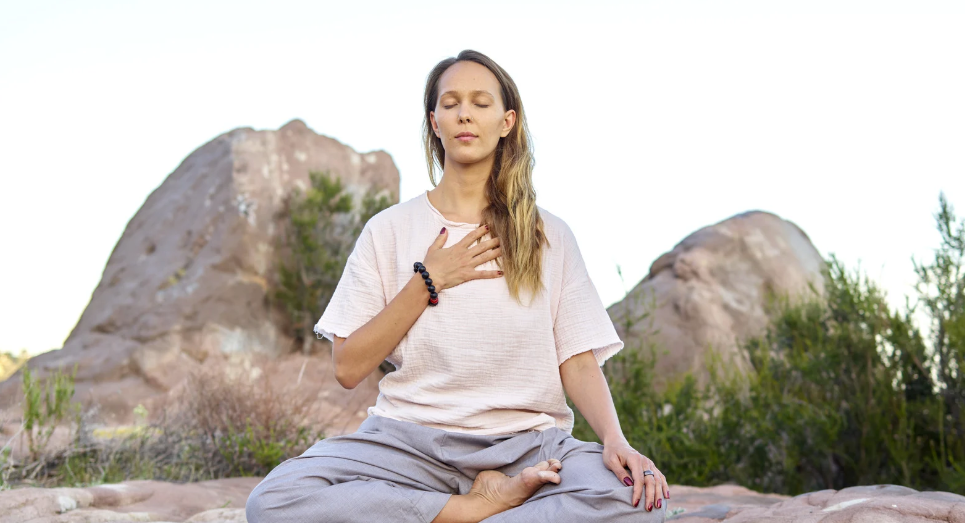
Let’s get one thing straight: meditation isn’t about “emptying your mind.” If you’ve ever sat down to meditate and thought, “Wow, I have never had this many thoughts in my life,” you’re not broken—you’re just human. The truth is, meditation isn’t about silence; it’s about clarity. And when practiced with presence, especially through Vipassana (a form of insight meditation), it can unlock more than peace. It can open the door to your psychic awareness.
That’s the angle most articles skip. They talk about how Vipassana reduces stress and improves focus—and yes, it does. But this ancient practice also sharpens your intuition, clears energetic gunk, and lets you hear your inner guidance more clearly. If you’ve ever wondered why some psychics seem to “just know” things, the secret sauce is often this: stillness, trained through insight.
What Exactly Is Vipassana Meditation?
Vipassana is a Pali word meaning “to see things as they really are.” It’s not about chanting mantras or visualizing waterfalls (though those are lovely too). It’s about observing your body, thoughts, emotions, and sensations—without judgment, without trying to change them, just witnessing.
It’s deceptively simple:
-
Sit.
-
Breathe.
-
Notice.
You notice the itch on your nose. You notice the thought that says, “This is boring.” You notice the worry about tomorrow’s email. You don’t push them away. You don’t chase them. You simply watch them come and go.
And that’s the magic. You start to realize you are not your thoughts. You’re the one watching them. That little shift? It’s where intuition lives.
Why Vipassana Unlocks Intuition
Most of us live in a mental fog. We scroll, we multitask, we react. The brain becomes a noisy roommate who never shuts up. Vipassana teaches you to stop identifying with the noise and start noticing the silence underneath.
When the mental chatter quiets, subtle impressions rise—those little nudges, gut feelings, or “downloads” psychics talk about. That’s not imagination. That’s your intuitive intelligence waking up.
In fact, many psychic readers practice some form of Vipassana before readings to sharpen their perception. By observing their own inner world without judgment, they can better discern what belongs to them and what’s coming from someone else’s energy.
A Fresh Perspective: Vipassana as a Psychic Cleanser
Here’s a new idea most mainstream articles miss: Vipassana is not just mental hygiene—it’s energetic hygiene. When you sit in stillness and observe your inner landscape, you begin to notice emotional residue: fear from five years ago, grief from a past relationship, shame from childhood. These are like dust on your psychic lens.
As you observe them without clinging or resisting, they dissolve. The more you clear out old energetic clutter, the more psychic information flows through unobstructed. It’s like cleaning a window. The view didn’t change—the clarity did.
How to Practice Vipassana (Without Losing Your Mind)
You don’t need a mountain cave or incense sticks to get started. Here’s a simple, grounded way to begin:
-
Find a quiet place. Sit comfortably—chair or floor, no pressure.
-
Set a timer for 5–15 minutes. Don’t aim for an hour right away. Start small.
-
Close your eyes and notice your breath. Not changing it, just watching it.
-
Label distractions gently. When a thought arises, say to yourself “thinking.” When a sound comes, label it “hearing.” Then return to the breath.
-
Expand awareness. Gradually begin noticing sensations, emotions, and thoughts without judgment.
Over time, your awareness sharpens. You begin to see patterns: “Wow, I worry the same way every morning.” “That fear always starts in my chest.” This self-awareness is the seed of psychic perception.
What Happens When You Stick With It
At first, it feels boring. Your brain will try to convince you it’s a waste of time. But something strange starts to happen around the 10th or 20th session. You begin to feel space between your thoughts. You start noticing subtle impressions—an image that pops in, a sudden insight about a friend, a memory that seems oddly symbolic.
That’s not random. That’s your intuition beginning to trust you. It says, “Ah, you’re listening now.”
And once it trusts you, it speaks louder.
Personal Story: The Vision in the Breath
One psychic I know started her Vipassana practice not to become more psychic, but simply to manage anxiety. But a few months in, she began seeing flashes of symbols during her sits—a feather, a child’s shoe, a river. She thought it was imagination. But the next day, a client came in and mentioned losing a baby shoe by a river, and how it symbolized her grief.
The psychic hadn’t pulled cards or lit candles. She simply sat, breathed, and listened. Her insight came not from effort, but from stillness.
That’s the power of Vipassana: it doesn’t force the door open. It makes you still enough to hear when it knocks.
Vipassana and the Psychic’s Toolkit
Psychics often use tools like tarot, astrology, or mediumship. But those are translators—they help decode the message. Vipassana strengthens the receiver. It sharpens your inner ear, clears your inner sight, and tunes your sensitivity like a fine instrument.
When practiced regularly, Vipassana helps you:
• Discern between ego and intuition.
• Stay emotionally grounded while reading others.
• Avoid projecting your fears onto clients.
• Receive messages without second-guessing.
What Makes This Practice Unique
Unlike guided meditations that walk you through a fantasy landscape, Vipassana asks you to stay with what is. That’s hard. That’s real. And that’s why it works. It builds inner stamina, the kind psychics need when they’re navigating multiple layers of energy.
And here’s the kicker: you don’t need to be “spiritual” to benefit. You just need to be curious. Even skeptics who try Vipassana often report improved intuition, more vivid dreams, and a deeper sense of alignment.
A New Idea: Using Vipassana to Read Your Own Energy
Most people use meditation to relax. But what if you used it to diagnose your energy? Set aside one session per week where your only goal is to notice what energy feels like in your body. Is your chest tight? Is your stomach fluttery? Is there pressure behind your eyes?
Over time, you’ll start noticing the difference between your energy and others’. This skill is gold for empaths and psychics. You’ll stop absorbing other people’s baggage and start recognizing, “Ah, that tension isn’t mine.”
That’s when intuition stops being random and starts becoming reliable.
Why This Matters Now
In a world where attention spans are shorter than a TikTok reel, stillness is a radical act. And in a culture obsessed with external answers, learning to sit with yourself becomes an act of rebellion—and of self-trust.
Psychics are not magical unicorns. They’re people who’ve trained themselves to listen deeply. Vipassana is one of their oldest and most powerful tools.
The Invitation
If you’ve been craving clarity, intuition, or even just a little peace, try this: instead of looking outside for answers, sit with yourself for 10 minutes a day. Watch what happens.
It won’t always be blissful. Some days it’ll feel like wrestling a mental octopus. But slowly, the fog clears. Your inner voice grows stronger. And you start realizing—you’ve had the answers all along.
Vipassana isn’t about escaping reality. It’s about seeing it clearly. And once you do, your psychic gifts—yes, you have them—have the space to breathe, to grow, and to guide.



Short sits, consistent practice, and gentle labeling made a real difference in my life. I used to take on other people’s stress without realizing it, but after a month of Vipassana I started noticing which sensations belonged to me. That clarity reduced overwhelm and made intuition more usable in daily life. 😊
I started with five minutes like the post suggests and felt silly at first, but after a couple of weeks I noticed tiny gut feelings that I hadn’t before. It really does clear mental fuzz and makes decisions feel easier. Worth trying, honestly. 🙂
This article is a great primer. I appreciate the practical steps like labeling thoughts and expanding awareness slowly. Doing short daily sits helped me separate my own worry from other people’s energy, and my intuition became steadier. If you stay consistent you truly see changes.
What resonated with me most was the idea of energetic hygiene. Sitting and witnessing sensations without clinging acted like wiping a fogged lens for me; subtle images and impressions began to surface more reliably. Over months, intuition felt less like guessing and more like a clarified, trustworthy sense.
I love the invitation to try ten minutes a day. It felt doable and it really changed how often I react. Instead of jumping, I paused and noticed what was happening inside me. Little hints and images started showing up more, and that helped me make better choices. Very encouraging piece. 😊
This piece articulates a subtle but profound point: Vipassana is both epistemic and therapeutic. By cultivating nonjudgmental awareness we reduce cognitive noise and clear affective residues that occlude perception. That refined clarity permits the emergence of authentic intuitive insights, not the fabrication of fantasies. Powerful, accessible practice for anyone curious about inner knowing.
I like how the post emphasizes practice over mysticism. Vipassana’s core instructions—sit, breathe, notice—are deceptively straightforward but build real capacity. Over time you cultivate discernment: you can tell the difference between habitual fear and an intuition worth following. That steadiness translates into clearer readings and better choices.
Good read. I started doing the breathing and labeling exactly like it says, and after a few weeks I could sense subtle differences in my body when thinking about different people. Felt like a tool I didn’t have before, but easy to practice and actually useful.
This made me try a tiny routine and it helped more than I expected. I now notice small nudges about things before they happen and feel calmer overall. The breathing, the labeling, it all adds up. Keep it simple and be patient. 😊
As someone who likes clear steps, I appreciated the simple instructions and the focus on consistency. The practice sharpened my instincts in a practical way: decisions feel less frantic and more grounded. It’s not mystical fluff, it’s training attention and emotional clarity. Recommend starting with five to ten minutes daily.
This article is practical and hopeful. The step-by-step approach makes it easy to begin, and the explanation about energetic clutter resonated strongly with my own experience. After regular practice, I noticed clearer instincts and less emotional carryover from others. It’s a simple tool with large payoffs for discernment and calm.
What stands out here is the melding of contemplative technique with psychic discernment. Vipassana cultivates meta-awareness: the capacity to witness mental and somatic events without fusion. That meta-position is precisely what allows psychics and empaths to differentiate self from other, to hold clear boundaries, and to receive material with less projection. Over time, the practice refines sensitivity into a reliable instrument.
Beautifully put. I found that once I could notice where tension lived in my body, I could check whether impressions were mine or borrowed. The practice taught patience with subtle signals and helped me trust small, surprising insights instead of dismissing them immediately.
Thank you for demystifying practice in such an inviting way. The analogy of cleaning a window is apt: the world is unchanged but perception improves. Regular sittings foster a disciplined attentional stance that allows subtle somatic and imaginal phenomena to be integrated rather than dismissed. For me it also enhanced dream recall and symbolic recognition, which deepened interpretive ability.
Why do we even need all these fancy terms? Meditation is just sitting still and breathing, right? Seems like we’re complicating things unnecessarily by giving names to every little technique out there! 😂
What’s up with all the rules? No stealing or lying? Sounds more like a list from some ancient school than a meditation guide! Can’t we just sit quietly without these rigid guidelines? 😅
‘Mindfulness isn’t limited to formal sessions.’ That’s an important takeaway from this article! Incorporating mindfulness into everyday activities is something I want to focus on more in my life.
I absolutely loved this article! It beautifully explains the benefits of insight and Vipassana meditation. As someone who has been practicing for a while, I can personally attest to the profound peace it brings. Thank you for sharing such valuable insights! 😊
It’s great to hear your positive experience! However, I’ve tried it multiple times and found it frustrating rather than peaceful. It’s interesting how different people have varying experiences.
While I appreciate your enthusiasm, not everyone finds meditation effective. Some might argue that it’s just a trend and doesn’t work for everyone. What are your thoughts on that?
I’m no expert on meditation, but from what I’ve read here, it’s almost like they want us to float away into bliss while ignoring real-life problems. If only it were that easy! 🙄
Honestly, this article seems a bit too idealistic about meditation. It makes it sound like a magic solution to all life’s problems. In reality, many people struggle with their thoughts during meditation.
‘The journey of self-awareness’ is so true! Meditation has really helped me explore my thoughts deeply. The part about being patient with ourselves resonated with me—it’s essential for any practice.
This whole idea of mindfulness sounds nice, but let’s be real: Who has time for daily meditation in today’s hectic world? I’d rather binge-watch my favorite show after work than sit in silence for hours!
‘Don’t harm living beings’ is one of the rules of Vipassana mentioned here. This seems like a basic principle of morality that transcends cultures and religions—everyone should adopt this mindset regardless of their beliefs.
Walking meditation sounds interesting! But can someone explain how focusing on my feet will make me less stressed? I mean, shouldn’t we be tackling bigger issues in life instead of counting our steps?