
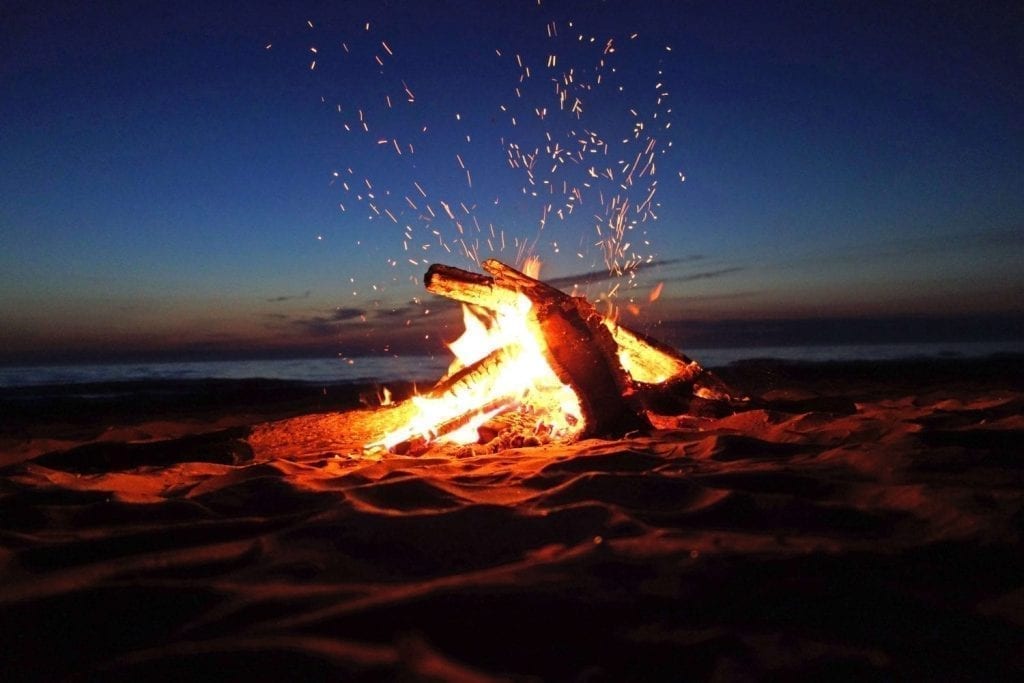
Fire has long been used in ritual, storytelling, prayer and contemplation. A fireplace, campfire or candle can create a strong visual focus because the flame constantly changes.
You can use fire as a meditation object or spiritual symbol without treating flame patterns as verified messages, predictions or access to another plane.
Why Fire Can Feel Meditative
A moving flame naturally holds attention. Sitting quietly with one visual point can make it easier to notice breathing, thoughts and emotions without chasing every distraction.
The experience may feel calming, reflective or spiritually meaningful. That does not mean the fire is revealing hidden facts.
Fire Symbolism
Across traditions, people have associated fire with themes such as:
- transformation;
- warmth;
- light;
- purification;
- destruction and renewal;
- attention and presence.
These are cultural and personal interpretations, not universal meanings.
A Simple Candle Meditation
- Place a stable candle on a heat-resistant surface away from curtains, paper, pets and anything flammable.
- Sit far enough away that you are comfortable and do not need to lean toward the flame.
- Set a short timer, such as five minutes.
- Look gently at the flame or the area around it. Do not force an unblinking stare.
- When your mind wanders, return attention to the flame, your breathing or the sensations of sitting.
- Extinguish the candle fully when you finish.
Do Not Read Every Flame Movement as a Message
Flames change because of airflow, wick length, fuel, temperature and other physical factors. A flicker, lean, color change or sudden movement does not reliably answer a question.
If you enjoy interpreting flame movement symbolically, treat it like a journaling prompt: “What does this bring to mind?” rather than “What fact is the fire proving?”
What About Scrying or Fire Divination?
Some spiritual and divination traditions use reflective surfaces, smoke or flames for scrying. Practitioners may describe images or impressions that arise while gazing.
Those experiences can be personally meaningful, but they should not be treated as verified knowledge of the past, another person’s private thoughts or the future.
Fire Meditation and Problem-Solving
Quiet reflection may help you slow down enough to see a problem differently. The useful part is the pause and focused attention—not a claim that the subconscious or psychic plane is sending a guaranteed answer through the flame.
Basic Fire Safety
The National Fire Protection Association’s candle-safety guidance warns that candles can cause home fires and fire deaths, so treat the flame as a real hazard even in a calming ritual.
- Never leave an open flame unattended.
- Keep candles away from children and pets.
- Use a stable, heat-resistant holder.
- Keep flammable materials well away from the flame.
- Do not meditate with an open flame if you are likely to fall asleep.
- Follow local fire restrictions for outdoor fires.
Smoke and Air Quality
If smoke, fragrance or incense irritates your eyes or breathing, choose an unscented candle, an electric candle or another meditation object instead. You do not need smoke or fire for a spiritual practice to “work.”
Other Focal Objects Work Too
If open flame is impractical, try a plant, stone, photograph, bowl of water, repeated sound or simple visual point. The goal is focused reflection, not the object itself.
Final Thoughts
Fire can be a powerful symbol and a compelling focus for meditation. Keep the symbolism personal, the claims realistic and the physical practice safe.
If an image or idea comes to mind while watching a flame, use it as material for reflection—not as proof that the fire predicted or revealed something external.
Related Meditation and Safety Guides
For a broader beginner practice with realistic benefits and limits, see Meditation Benefits, Limits and Safe Beginner Practice. If you use candles or ritual objects as part of a reflective space, see How to Create a Sacred Space at Home for grounded setup and safety ideas.
A Simple Fire-Meditation Practice
- Choose a quiet place where you can sit comfortably without becoming sleepy.
- Place a stable candle holder on a clear, level surface at least an arm’s length away.
- Set a short timer, then soften your gaze toward the flame without staring or straining.
- Notice color, movement, breath and body sensations. When thoughts wander, gently return attention.
- End by naming one practical intention, extinguishing the flame completely and checking the wick.
The flame can function as a focus point or personal symbol; it does not prove that a message, prediction or spirit is present. Write down impressions and revisit them later instead of treating the first interpretation as fact.
Open-Flame Safety Comes First
The National Fire Protection Association’s candle-safety guidance says to keep candles at least one foot from anything that can burn, use a sturdy holder on an uncluttered surface and extinguish candles whenever you leave the room or go to bed. Never use a candle where medical oxygen is in use.
- Keep flames away from curtains, paper, hair and loose clothing.
- Keep children and pets out of reach; store matches and lighters securely.
- Do not meditate with a flame when drowsy, impaired or likely to be interrupted.
- Use an LED candle when smoke, scent, asthma, housing rules or fire risk make a real flame unsuitable.
A flameless candle can support the same attention ritual without combustion. For related guidance, see The Right Way to Burn Candles and How the Four Elements Affect Your Energy.
Frequently Asked Questions
1. What is fire meditation?
It is a focus practice that uses a flame or flame-like visual as an anchor for attention, reflection or symbolic intention.
2. How long should a candle meditation last?
Begin with about three to five minutes. Stop sooner if your eyes strain, you become drowsy or the setting becomes unsafe.
3. Do I need a particular candle color?
No. Color associations are optional symbolic traditions, not requirements or guarantees of a result.
4. Can a flickering flame deliver a psychic message?
Air movement, wick condition and wax can explain flickering. You may reflect on symbolism, but do not treat flame behavior as verified communication.
5. How far should a candle be from flammable items?
NFPA guidance recommends at least one foot, or 30 centimeters, from anything that can burn.
6. Can I meditate with a candle before sleep?
Avoid a real flame if you may fall asleep. Use an LED candle and extinguish any real candle before becoming drowsy or leaving the room.
7. Is an LED candle still useful for meditation?
Yes. Attention and intention do not require combustion, and an LED option removes many fire and smoke risks.
8. What should I do after the practice?
Extinguish the flame fully, confirm the wick is no longer glowing, ventilate if needed and record any reflections as impressions rather than facts.


