
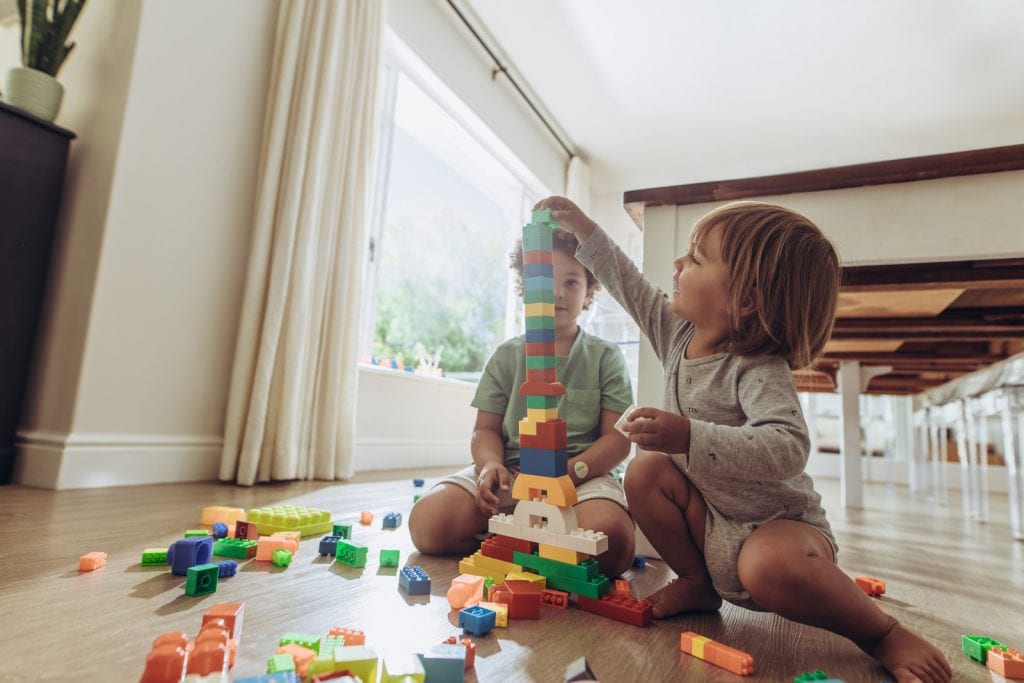
Children build confidence through many experiences: feeling safe, practicing skills, solving manageable problems, being accepted after mistakes and knowing trusted adults are available when help is needed.
Confidence is not the same as being fearless, outgoing or successful at everything. A quiet or cautious child can still have a strong sense of self.
Create Safety Before Performance
Home should be a place where children can ask questions, make mistakes and express feelings without humiliation. Confidence grows more easily when love and belonging do not depend on achievement. The American Academy of Pediatrics’ HealthyChildren guidance recommends positive, accepting communication and specific praise rather than making children feel they must win approval.
Give Age-Appropriate Responsibility
Tasks can help children experience competence when they are realistic for the child’s age and ability. Let them try before stepping in, while remaining available if the task becomes unsafe or genuinely overwhelming.
Praise the Process, Not a Fixed Identity
Instead of only saying “You are so smart,” notice effort and strategy: “You kept working after that first idea did not work,” or “You asked for help when you needed it.”
This keeps confidence connected to learning rather than to proving a permanent trait.
Do Not Engineer Only Easy Wins
Children benefit from success, but they also need manageable challenge. The goal is not to protect them from every frustration. It is to help them learn that difficulty can be approached step by step.
Let Interests Be Theirs
Encourage children to try activities, but avoid turning a hobby into a requirement to fulfill an adult’s missed opportunity or idea of what a confident child should be.
They may enjoy art, coding, sports, books, music, nature, building, volunteering or something you did not expect.
Avoid Comparing Siblings or Peers
Comparison can make confidence feel like a ranking. Focus on the child’s own progress and needs rather than using another child as the standard.
Model How to Handle Mistakes
Children watch how adults respond to their own errors. Saying “I made a mistake, I am going to fix it” teaches more than pretending adults always know the answer.
Support Social Confidence Without Forcing It
Some children warm up slowly. Give preparation and small choices rather than pushing them into public performance simply to make them “come out of their shell.”
Take Bullying and Sudden Changes Seriously
A noticeable drop in confidence, school avoidance, withdrawal, sleep changes or fear around particular people may deserve closer attention. Talk with the child calmly and involve appropriate school or healthcare support when needed.
Confidence Is Not the Same as Never Needing Help
Knowing when to ask for help is a strength. Avoid sending the message that capable children must solve every problem alone.
Make Room for Different Bodies, Abilities and Identities
Confidence is easier to build when children are not taught that worth depends on appearance, athletic ability, grades, gender expectations or fitting one narrow idea of success.
Final Thoughts
Children do not become confident because every struggle makes them stronger. They build confidence when challenge is paired with safety, support, practice and increasing autonomy.
Notice effort, let them try, respect who they are and make sure they know that asking for help does not reduce their worth.
Related Guides
For confidence beyond childhood, see How to Build Self-Esteem With Small Daily Habits. If a child reports unusual dreams, imaginary friends or psychic experiences, see When a Child Says They’re Psychic: Listen Without Labeling.
Build a Confidence Ladder
Choose one skill the child wants to strengthen and divide it into three steps: watch or practice privately, try with support, then try more independently. A child who fears ordering food might first rehearse at home, order with a parent beside them and later order alone. Confidence grows from manageable experience, not from being told to feel brave.
Use Specific, Honest Feedback
Describe the effort or strategy you observed: “You asked for help after the first attempt did not work.” Avoid global labels such as “You are the smartest” or praise that the child knows is exaggerated. Specific feedback helps them understand what they can repeat.
Protect Choice and Belonging
- Offer two age-appropriate choices instead of controlling every detail.
- Let interests belong to the child rather than to a parent’s image of success.
- Do not use shyness, grades, body size, disability or popularity as a measure of worth.
- Make family acceptance clear even when behavior needs correction.
Notice When It Is More Than Confidence
Sudden withdrawal, school refusal, persistent sleep changes, bullying, self-harm talk or loss of functioning deserves careful attention. Talk with the child, school and an appropriate pediatric or mental-health professional rather than treating the issue as a motivation problem or spiritual blockage.
For adults modeling calm learning, see high standards without perfectionism. For family communication under stress, use practical ways to stay calm.
Frequently Asked Questions
1. What helps a child build real confidence?
Manageable challenges, reliable support, useful feedback and repeated opportunities to act independently build confidence over time.
2. Should I praise my child constantly?
Use honest, specific praise for effort, strategy and kindness rather than exaggerated or automatic approval.
3. Should I push a shy child into social situations?
No. Use gradual, supported steps and respect temperament while helping the child practice needed skills.
4. What if my child quits after one mistake?
Normalize mistakes, reduce the next step and help them identify one strategy to try again.
5. Can chores build confidence?
Age-appropriate responsibilities can support competence when expectations are clear and help is available.
6. Should siblings be compared to motivate them?
No. Compare progress with the child’s earlier effort rather than with another person.
7. Can affirmations fix low confidence?
Affirmations may be encouraging, but they work best alongside skills, support and realistic experiences of mastery.
8. When should I seek professional help?
Seek appropriate help when fear, withdrawal, bullying, self-harm talk or other changes significantly affect safety or daily functioning.


