
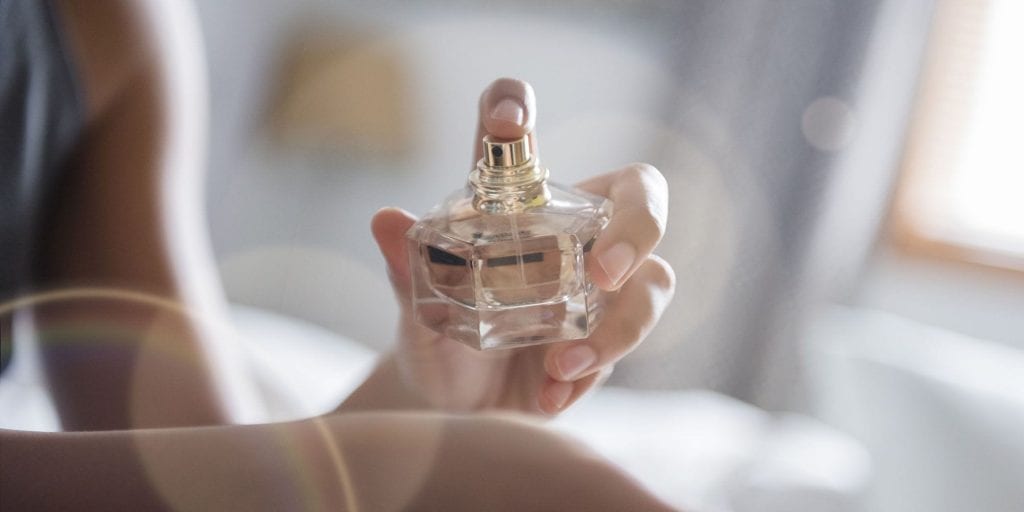
A familiar scent can bring back a trip, a shared evening or the feeling of being close to someone. That makes perfume a lovely gift idea—and a personal one. The fragrance you enjoy on a store card may not be the one your partner wants to wear all day.
Start with their tastes, leave room to sample and make it easy to say, “This one is not for me.” Thoughtfulness includes that freedom.
A fragrance does not reveal someone’s personality type, compatibility or “energy.” The best starting point is much simpler: what does the person already enjoy wearing?
Start With What They Already Use
Look at perfumes, colognes, lotions, soaps or candles they already like. If several products share similar notes—such as citrus, vanilla, rose, woods or musk—that gives you a better clue than trying to match fragrance to personality.
Ask About Favorite and Disliked Scents
You can still make the gift a surprise while learning their preferences. Ask which fragrances they notice on other people, which scents they dislike and whether strong fragrance bothers them. FDA guidance notes that some people are allergic or sensitive to fragrance ingredients, so preference and tolerance matter as much as the scent profile.
Ignore Gender Labels When They Do Not Help
Floral, woody, citrus, gourmand and aromatic fragrances are not limited to one gender. A person may prefer any style regardless of how the bottle is marketed.
Learn the Main Fragrance Families
Descriptions overlap, and a perfume can belong to more than one family. These words help narrow a sample search; they do not identify a personality, gender or perfect match.
| Family | Notes you may see | A useful question |
|---|---|---|
| Floral | Rose, jasmine, orange blossom | Do they enjoy a clear flower note or a softer mixed bouquet? |
| Citrus | Bergamot, mandarin, grapefruit | Do they like bright citrus scents, or find them too sharp? |
| Woody | Cedar, sandalwood, vetiver | Do they prefer dry, earthy or softer wood-like scents? |
| Fresh or green | Leaves, tea, herbs, airy accords | Which fresh products do they already enjoy? |
| Gourmand | Vanilla, cocoa, coffee, caramel | Do they enjoy sweetness, and how much? |
| Amber or spicy | Warm resins, spices, richer sweet notes | Do they want warmth, or find rich blends overwhelming? |
Pay Attention to Concentration
Fragrance labels such as eau de parfum and eau de toilette generally refer to concentration ranges, but longevity also depends on the formula, skin, climate and application. More concentrated does not automatically mean better.
Consider When They Will Wear It
Some people want a subtle everyday scent. Others prefer something noticeable for evenings or special occasions. Think about their actual habits rather than assuming light scents belong to daytime or heavy scents belong to winter.
Sample Before Buying a Full Bottle
Fragrance can smell different after it has been on skin for a while. If possible, use a sample or discovery set first. A gift receipt also makes sense for something this personal.
Be Careful With Sensitivity
Some people experience headaches, irritation or respiratory discomfort around fragrance. If your partner is sensitive to scented products, the most thoughtful perfume gift may be no perfume at all.
Do Not Treat Essential Oils as Automatically Safer
“Natural” does not mean non-irritating or universally suitable. Essential oils and fragrance ingredients can both cause reactions in some people, especially when concentrated or applied directly.
Make the Gift Personal Without Guessing Their Identity
A small note explaining why a scent reminded you of a shared trip, favorite flower, season or memory can make the gift meaningful without pretending the fragrance reveals who your partner “really is.”
For more gift ideas centered on attention rather than price, see Meaningful Gifts for Your Partner: Time, Care and Connection.
Final Thoughts
The best fragrance gift is one chosen with curiosity rather than stereotypes. Start with the person’s existing preferences, sample when possible and give them freedom to exchange it if the scent is not right.
Fragrance can create memories, but it is not a compatibility test. What matters is whether they enjoy wearing it.
A Low-Risk Perfume Gift Method
Perfume is unusually personal because it changes with skin, environment and the wearer’s own perception. Instead of trying to “read” a partner’s personality from one trait, build a short evidence list: bottles they finish, samples they save, notes they mention, scents they avoid and where they normally wear fragrance.
- Identify the pattern: record two liked notes or families and two clear dislikes.
- Choose the commitment level: a discovery set or travel spray is safer than a large bottle.
- Check the rules: confirm return or exchange terms before opening packaging.
- Give choice: include a receipt and make exchange permission explicit.
If you do not know their preferences, turn the gift into a shared sampling experience. Let the recipient decide after wearing a scent for several hours; smelling a strip in a store is not the same as wearing it.
Free Scent-Sampling Note
If the recipient wants to try fragrance and has no relevant reason to avoid it, let them choose how to sample, following the product directions. A blotter can be a first impression; wearing a sample is optional.
- At first: write the fragrance name and what they notice, using ordinary words such as bright, sweet, powdery, woody or too strong.
- Later: revisit it after it has had time to develop. Does the recipient still enjoy it? Does it suit where they would wear it?
- Their decision: keep sampling, consider a suitable size or leave it. Stop using a product that causes discomfort rather than trying to get used to it.
What the note means: it records one person’s preference for that sample. It does not rate their taste or guarantee how long a perfume will last.
Next step: buy a larger bottle only if they want it and it fits your budget and the seller’s current terms. No clear favorite is a good reason to choose a different gift.
Example: Keep the Thoughtfulness, Change the Format
Imagine your partner enjoys a light citrus fragrance but dislikes very sweet scents. Instead of choosing a large bottle because its name sounds romantic, you could offer a small selection to explore together and a note: “I remembered how much you liked the citrus garden on our trip. I thought we could find a scent you enjoy—there is no pressure to choose one.”
If they prefer a fragrance they already own, an exact replacement may be more welcome than a new discovery. Check the full product name and version; a similar bottle or concentration can be a different choice.
Sensitivity and Ingredient Questions
The FDA’s fragrance guidance notes that some people can be allergic or sensitive to fragrance ingredients and that formulas may be listed simply as “fragrance.” “Natural,” “essential oil” and “unscented” do not guarantee that a product will suit a sensitive person. Ask first if they have migraines, asthma, skin reactions or scent-free workplace or household rules. When uncertainty is high, choose a non-fragrance gift.
A Final Check Before You Buy
- Preference evidence: Have they actually worn or requested something similar?
- Wearability: Does the concentration and bottle size fit their routine?
- Sensitivity: Have you checked health, household and workplace constraints?
- Flexibility: Can it be sampled, exchanged or returned?
- Budget: Is the price comfortable without creating obligation?
For a broader gift framework, see Meaningful Gifts for Your Partner. A love or psychic reading cannot objectively determine another person’s scent preference; direct observation and consent are more reliable.
Frequently Asked Questions
1. Is perfume a good surprise gift?
It can be when you know the recipient’s preferences. Otherwise, a discovery set, gift card or shared sampling trip carries less risk.
2. How can I find out which fragrance family they like?
Check bottles they use, ask about favorite notes and compare the family descriptions of scents they already enjoy.
3. Should I buy eau de parfum or eau de toilette?
Concentration affects intensity and wear time, but preference varies. Match what they normally use or choose a sample first.
4. Can skin chemistry change how perfume smells?
Yes, a fragrance can smell different on skin than on paper or another person, which is why a wear test is useful.
5. Are natural perfumes safer for sensitive people?
Not automatically. Plant-derived and synthetic ingredients can both cause sensitivities, so check labels and the recipient’s history.
6. What if my partner works in a scent-free environment?
Choose a non-fragrance gift or a product they can use only where permitted. Do not assume workplace or household rules are flexible.
7. What size perfume should I gift?
A travel spray or smaller bottle is practical for a new scent. A full bottle makes more sense for a fragrance they already use.
8. Should I include a gift receipt?
Yes. Perfume is subjective, and an easy exchange protects the recipient from feeling obligated to wear a poor fit.


