
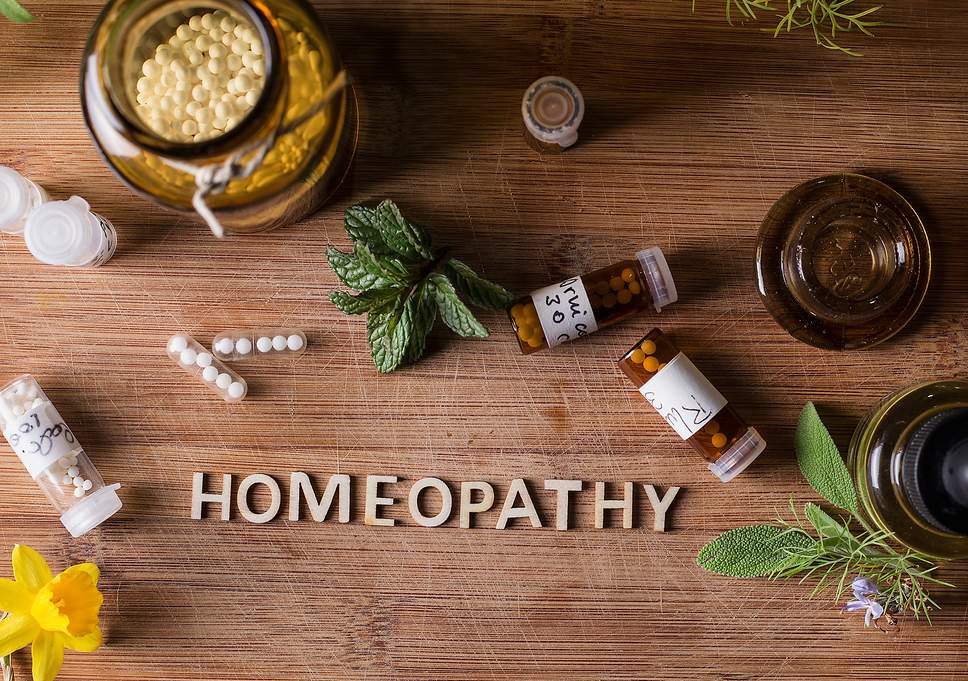
Perhaps a friend swears by a tiny bottle of drops. Perhaps you have stood in a health-store aisle, comparing labels and wondering why one remedy is described as “homeopathic” and another as “herbal.” If you are drawn to holistic or spiritual approaches, homeopathy may seem like a natural part of that world. Understanding what the word means makes it easier to decide what deserves your confidence.
Homeopathy is a system of remedies based on particular beliefs about symptoms and dilution. It is not another name for all natural care, and a product’s spiritual appeal is different from evidence that it treats an illness. You can be curious about the tradition and ask careful questions about its claims.
What Homeopathy Means
Developed in Germany more than 200 years ago, homeopathy rests on two main ideas: a substance that produces symptoms in a healthy person might treat similar symptoms, and reducing a dose through repeated dilution might increase its effect. These are homeopathic theories, not established medical principles. Many preparations are diluted until none of the original substance remains. The National Center for Complementary and Integrative Health explains the system and its evidence.
Remedies are individualized, so two people with the same condition may receive different recommendations. A personal consultation does not, by itself, establish whether a remedy works.
Why the Idea Can Feel Appealing
Wanting to be heard is understandable. When you feel unwell, you may want room to talk about your sleep, relationships, worries, and the way daily life has changed. A conversation that makes space for those details can feel important in its own right.
If you are attracted to homeopathy, ask yourself what you are hoping to find. Is it more time with a practitioner? A sense of participation in your care? A practice that fits your beliefs? Naming that wish helps you look for it directly. You can ask a licensed clinician for a fuller discussion, seek emotional support, or make space for a personal spiritual practice without first choosing a remedy.
For readers exploring the spiritual side of wellbeing, our introductions to spiritual healing and energy healing discuss those traditions. Their spiritual framing should remain separate from claims about treating disease.
Homeopathic, Herbal, and Holistic Are Different Words
“Homeopathic” identifies a particular remedy system. “Herbal” describes products made from plants; a homeopathic preparation may begin with a plant but use a very different dilution process. “Holistic” usually describes attention to the person as a whole. None of these words, on its own, tells you whether a product is effective or suitable for you.
Picture two boxes sitting beside each other on a shelf, both with leaves on the packaging. Their similar appearance can hide very different ingredients and preparation methods. Read the product description and ingredient list instead of assuming the picture tells the whole story.
What the Evidence Can Tell You
NCCIH’s assessment states that little evidence supports homeopathy as an effective treatment for any specific health condition. A sincere testimonial can describe how someone felt, but it cannot by itself establish that the remedy caused the improvement.
The newer Australian Government’s 2024 homeopathy evaluation adds nuance. Its placebo comparisons found low-certainty evidence of reduced medication use for allergic rhinitis and reduced disease severity for atopic dermatitis. Many other outcomes showed little or no benefit, very uncertain effects, or insufficient evidence. Some comparisons with no intervention were more favorable, but that is a different question from outperforming a placebo. These limited findings do not establish broad effectiveness across illnesses.
If someone says, “It helped me,” you can respect their experience and still ask a second question: “What else was happening at the time?” Other care, changes in routine, and the course of an illness make a personal story difficult to interpret. That question need not become an argument. It simply keeps one person’s account in perspective when you are making your own decision.
Read the Label, Then Ask About Safety
The U.S. Food and Drug Administration states that no products labeled homeopathic are FDA-approved. Some have contained measurable active ingredients; manufacturing problems can also produce contamination or incorrect dilutions. Being sold in a store does not mean a product has passed FDA review for safety and effectiveness.
Bring the packaging or a clear photograph of the full label to your doctor or pharmacist. Ask whether the exact product poses risks with your medicines or health conditions. Do not stop prescribed treatment or delay diagnosis to try it. Products for children or use during pregnancy deserve particular discussion with the relevant clinician.
Homeopathic products promoted as “immunizations” are not evidence-based substitutes for recommended vaccines. NCCIH addresses that claim specifically.
Five Questions for a Useful Consultation
Whether you are speaking with a clinician or considering a complementary practitioner, take your questions with you. A conversation should leave you better informed.
- What are you proposing? Ask for the exact product and the reason for recommending it.
- What evidence supports this use? Request research relevant to your condition, rather than a general success story.
- How does this fit with my current care? Make sure the discussion includes medicines, other products, and existing advice.
- What is the total cost? Include repeat appointments and any suggested purchases.
- What happens if I feel worse or do not improve? Agree on when to seek medical assessment instead of continuing indefinitely.
You do not have to decide during the appointment. Taking the information home gives you time to check it and talk with someone you trust.
Keep Your Curiosity and Your Questions
Interest in spiritual wellbeing does not require loyalty to every practice described as natural. You can value a meaningful conversation, enjoy a reflective ritual, and be selective about products offered to you. The most useful next step is one you understand, can question openly, and can discuss with the people responsible for your care.
Frequently Asked Questions
Is homeopathy the same as herbal medicine?
No. Homeopathy follows a distinct remedy and dilution system. A plant ingredient or natural-looking label does not make a product herbal or establish that it is safe.
Are homeopathic products FDA-approved?
No. The FDA states that no products labeled homeopathic are FDA-approved. Availability for sale is not the same as approval.
Can a highly diluted remedy still carry risks?
Yes. Some products have contained measurable active ingredients, and manufacturing problems can affect their contents. Delaying effective care is another risk.
How can I discuss homeopathy without feeling judged?
Bring the exact product label and explain what you hope it will do. Ask your clinician or pharmacist to discuss evidence, risks, and alternatives in the context of your current care.


