
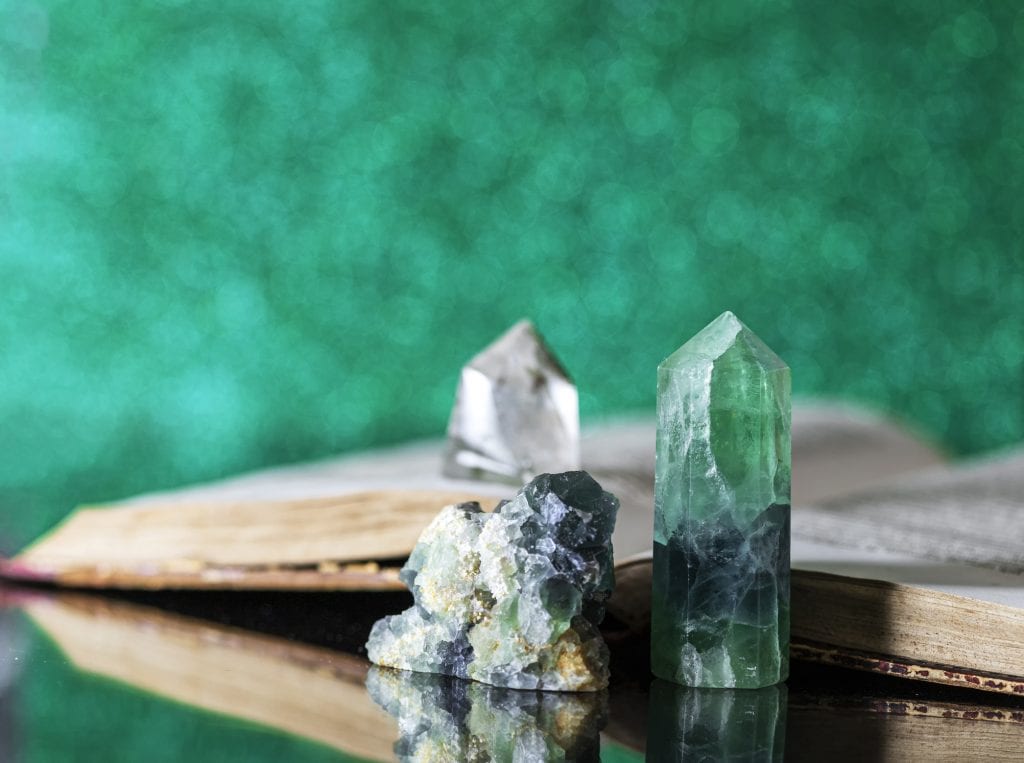
Crystals and gems have been around for years, and years and they are part of the earth that can help you in your life and with your energies.
Since time has begun, people have been looking at crystals in order to embrace their energies and their powers. Some people use it as a healthy alternative in their life while others use it for therapy. Crystals are often used to treat different sicknesses or diseases.
There are places online and all over the world that you can find crystals and different information on them. Look at shops and talk to collectors in order to get the stones that you are looking for.
Gemstones versus Crystals
Gemstones are forms that are found inside of rocks. They are formed by different things such as heat, erosion, pressures and even from water running. Some gemstones can be found synthetically but the natural stones are the ones that have the most power.
Some of the different gemstones include:
- Sedimentary
- Metamorphic
- Igneous
Igneous rocks were formed by lava while sedimentary rocks were formed by weather conditions and metamorphic rocks were igneous and sedimentary formed together and they have some of the most unknown gemstones.
Crystals are different because they are a solid structure that is bound together by crystal lattice. They are unique and have different faces and electrical properties that can conduct energy and can help to balance energy in your life.
Crystals are common in their colors, their formations and more. Some of them include:
- Blue
- Pink
- Green
- Purple
- Quartz
- Clear Quartz
- Mixed colors
The coloring will help you to know what the vibration of the crystal is and how it can help you. You can use many of the crystals to meditate with and to help you to have peace in your life.
Using Crystals
Crystals can help you in all parts of your life. Some are there if you need to have stability or if you need to keep your emotions in check or if you want to increase your psychic giftings. You can choose what crystal you want by finding a crystal guide.
Picking Crystals
It is almost impossible to know what all of the crystals do and if you want to learn to experience them at a personal level, you will need to learn more about them. You need to use your intuition to choose the perfect crystal and then take it home and let it help you.
Giving Your Crystals Life
Gemstones and crystals can help to heal you and to give you strengthen in your mind, body, and soul. You can wear them as jewelry, or you can keep them in your drawer.
Some popular jewelry pieces include necklaces or bracelets, and the crystal can be close to your body. Earrings also work and some people will even use the crystals in their drinking water because some will dissolve and can help give them more power.
Wearing a Crystal
Some people think that you have to wear a crystal for it to work but that is not true. You can put a crystal in your room to generate peace and happiness or you can put it in your office at work. This stone can help you to get rid of negative energies.
Negative Energies
Crystals can help to keep negative energies at bay and can keep your home or office protected from negative things. You can use these in whatever areas are prone to negativity.
Taking Crystal Energy with You
You can take small crystals with you in your pocket or in your purse so that you can boost your energies. This can help to raise your vibrations. Some people even carry a crystal pouch with them so that they can use the crystals for different purposes.
Car Crystals
Take some crystals with you in your car to keep you safe and to help you stay focused when driving. You can keep these in your glove box or under your seat.
Crystals for Pets
Crystals aren’t just good for people but for your pets. If you need them to have better energies, put a stone in a place where they can feel at peace and secure. This can help your pet with its digestion or other things.
Sleeping
Some crystals are great to help you get rid of nightmares and to sleep better. Put fluorite close to your bed while you sleep to get rid of worry and to help you sleep better. This can also help you to remember your dreams. If you are clairvoyant, this is a great stone to increase your powers.
If you have a hard time sleeping, the Rose Quartz is a great calmness crystal. Put it under your pillow and learn to sleep restfully.
Being Creative
If you need to get your creative juices flowing, try creative crystals that can help to get rid of writers block and other problems holding you back.
Courage
Some stones such as Amethyst and Aquamarine can help to give you strength and courage. It can help you to get rid of fear and help you to be stronger in your inner being.
Communicating
If you need to communicate and get rid of negative energies, there are stones such as the Celestite that can help to open up your throat chakra.
Concentrating
If you have troubles concentrating, the quartz crystal can help you to open up your mind. You can also use fluorite, amber or other stones that can improve your communication, give you courage and help you to think easier.
Some students will use crystals when they study to do better in their tests and to help them concentrate more such as:
- Topaz
- Calcite
- Emerald
- Ruby
Energy Crystals
If you are lacking energy, some crystals such as the quartz or yellow crystals can help to replenish your energy and give you strength.
Electromagnetic Protection
If you have problems with electromagnetic fields or if you are always around electronics for your job, you can use stones such as black tourmaline to keep you protected from these rays.
Motivation
Some stones for motivation can help you to be able to get your jobs done and to get them done on time.
Stress and Anxiety
Both children and adults often have stress and anxiety and there are many crystals that can help you to overcome these feelings such as:
- Clear quartz
- Rose Quartz
- Lapis Lazuli
- Amethyst
- Chrome Diopside
Confidence
If you need confidence or a self-esteem boost, there are some stones that can help you with this including:
- Garnet
- Carnelian
- Tiger Eye
- Watermelon Tourmaline
- Aquamarine
- Green Tourmaline
These crystals can help you if you are being bullied or if you are having a problem with your own self-esteem. You can use these stones to help you to get over bad issues in your life.
Healing Crystals
People have used crystals forever in order to have power and to help to heal them. Some people have different problems that need healed and depending on what is going on in your body can depend on what kind of crystal that you need.
Crystals are gentle and they can help to balance your mind and body and use natural healing to keep you safe.
Headache Relief
Some crystals can help you to get rid of headaches and migraines and you can use things such as Lapis Lazuli or Amber to help you if you have these problems.
Stress Relief
Stones that help you to have stress relief include stones such as:
- Amethyst
- Angelite
- Selenite
- Green Aventurine
- Blue Calcite
- Chrysocolla
- Morganite
- Jade
- Rose Quartz
- Opal
If you need to get rid of negative thoughts, wear the crystals close to you so that your mind and body can be clawer.
Vibrational Healing
If you need to have your vibrations raised, use stones such as moldavite, gold herderite, phenacite and diamonds. Keep it close to you all day long.
Psychic Gifts
When you want to increase your psychic giftings, you can use different crystals to help you. You can use crystals to get their natural energies and to heighten your psychic gift.
If you want to increase or open up your third eye, you can use stones such as the amethyst to help you move forward. You can also use fluorite.
Psychic Dreams
Some dreams are important and can give you important messages. These are messages that your guides want to give you and show you so that you can know what to do in your journey. If you want to have stronger dreams, you can use crystals under your pillow while you are sleeping.
Clairaudience
If you want to get your clair gifts stronger, there are stones that you can use such as selenite and Lapis lazuli in order to get your psychic hearing stronger.
Tarot Cards and Crystals
Some crystals are good if you are using other tools of divination such as Tarot reading. Use black tourmaline and smoky quartz to keep you safe from negative spirits.
Meditation
Meditation crystals are great to help you meditate better and help you to reach your higher spiritual self. If you want to open up your intuition, use different crystals such as clear quarts or white crystals.
Taking Care of Your Crystals
You need to make sure you are taking care of your crystals so that you can be helped by their power. When you use your crystals, you have to make sure to keep them safe.
Cleansing
You can cleanse your crystals and you should do this before you use them. This helps to get rid of dirt or any negativity that is on the crystal. Depending on how much you use them will depend on how much you need to cleanse them.
Smudging is one of the most popular ways to cleanse your crystals and it can help to get rid of negative energies and to get rid of other things. Use can use herbs such as:
- Rosemary
- Frankincense
- Copal
- Myrrh
- Lavender
- Sweetgrass
Make sure that you keep the vibrations high. If you aren’t liking smoke, there are other ways you can cleanse your crystal such as running it under water or putting it in the sunlight.
Let your crystals also sit out in the moonlight or put them in a singing bowl. This can help you to make sure that your crystals are strong and safe.
Use different methods to cleanse your crystals and keep them as strong as you can. Remember to check your crystals because some are not good with water.
Charging
If you want to use your crystals, you need to charge them. Doing this gives them energy and allows them to be used. You can do this for a couple of hours, and they will be ready to use.
Programming the Crystals
Your crystals are ready to be programmed and they can be done by focusing on the energy and the wishes that you want your crystals to meet. The energy that is in the crystal can help you and you can put the crystal on you to absorb the energies.
Storing Your Crystals
There are different ways that you can store your crystals. You can carry them with you, put them in a drawer, put them in a crystal bag or cover them in silk or cotton.
This can help you to benefit the most from your crystal and to keep your crystal strong.
Problems with Using Crystals
Some people are sensitive to the energies that a crystal can let off, but you can start small and work up to stronger crystals.
Learn to build up your collection and use the ones that you can handle at first.
Using Crystals Wrong
People will often wear crystals to help to heal them. This can help with your mind, body, or soul. If you are not using your crystals right, it can cause your healing to take longer. Some crystals are best worn around the neck while others are worn as jewelry or kept close to them.
Crystals Working Together
Some crystals can have stronger effects when working with other crystals. The carnelian and blue lace agate work together to boost your calmness and to help you to have better benefits. You can try different crystals and see which ones work the best for you.
Everyone’s goal are different and have a different purpose and you need to figure out what goals that you want to reach. Learn more about the stones and find out which ones work best together for what you need.
Damaging Crystals
Some crystals can last your whole life, but some are fragile and have to have special care. If you have delicate crystals, you need to keep them in a pouch when you aren’t using them. Softer crystals need to have special care and be kept in a bag to keep them safe.
Be careful of using water with some crystals because water can damage some crystals. Do not use them while bathing or swimming and do not get them wet or put them in places where they can be affected by water.
Sun can damage some crystals and take away their coloring. Make sure you know which ones will fade.
Can Crystals Harm You?
Crystals are used to help bring healing and to keep you strong in your body and mind. Some stones can be harmful for small children such as a choking hazard.
Most crystals are very popular, and some can be put in water and drank from but some crystals can be toxic so you need to know which ones you can drink from and which ones you cannot. Some also will release harmful fumes when put in water.
Some crystals are porous and when you put them in water, they can get bacteria on them.
People that wear gemstones will know the purposes of them and should research them before they wear them on their body. Keep your crystals close to you when you are drawn to them.
Use the crystals while you meditate so that you can have added benefits.
Using Crystals Everyday
Crystals can help you to be strong and you can get familiar with the powers of your crystals by reading about them. Learn which crystals are best for what you need and use them to find love and happiness.
Kinds of Crystals
Agate is one type of crystal that comes in different colors. This can help to heal you and help you to have love and patience.
If you have tension in your body, you can use the blue agate to get rid of the tensions and if you are experiencing hard times, you can use this stone to get rid of negativity.
This stone can help you to find hope and to be unified with other people. You can use this stone to communicate better and to have more clarity in your mind.
Some healers wear blue agate so that they can have the biggest effect. Psychics will often select this stone so that they can use its power. Green Agate can manifest money to you.
Amber
Amber is a stone that can be used for different reasons. It can be black, red, or green. It is sap that was fossilized and grown for years.
Sometimes amber will have bugs or plants inside and can make pretty jewelry.
Amber can be positive in your life and can help you when you need to get a reading done or to do a reading. This stone can bring you patience and can purify and calm your life.
When you want to find love, use this as jewelry and let love come to you.
Amethyst
The Amethyst is a purple crystal that is beautiful and can clear your mind. It can get rid of stress. If you are born in February, you can wear this as your birthstone, and it will help you connect with nature.
This is a historical crystal and can help you to find your first love and to connect to new love.
Amethyst has been used for many years and was popular in the Arabic culture. It was used in rings of Popes and popular people to help them be healed.
The Ancient Chaldeans would use the stone in order to be protected from attacks and to increase their spiritual powers.
This stone is powerful and can keep negativity from you.
Psychic Attacks
If you have people in your life that are giving you psychic attacks, use the crystal to protect yourself from these attacks.
Anxiety
Amethyst can help to keep you calm and get rid of anxiety and stress out of your life.
Stress
Stress affects everyone differently, but the amethyst can help to get rid of stress and to give you peace and calmness. This stone is perfect to look at and can help you to relax and be stress free.
Intuition
The Amethyst can help increase your intuition and to open up your third eye. When you want to have better psychic powers, you can use this stone to help you by opening up your spiritual thinking and help you to work on developing your gifts.
This stone can give you harmony in your life and can help you when you mediate by opening up your spiritual gifts. This can give you strength and help you to have psychic visions and dreams. This stone can help you to connect with your giftings.
Focusing
The Amethyst can help you to focus and pay attention to things that matter.
Memory
This stone can help to build your memory and help you remember things that you have trouble remembering. It can get rid of mental fog.
Sadness
When you are feeling low or sad, use this stone to make you feel better.
Healing
The amethyst can help to heal your body, mind and soul and give you strength to be positive and to have a better life.
Overindulgence
If you are overindulging in things, this stone can help you to calm down and not want a second helping.
Wealth
This stone can bring you wealth and to help you get rid of problems in your life. If you have legal problems, it can help you get rid of these unpleasant situations.
Traveling
When you are traveling, keep this stone close to you so that you can be safe. This can protect you when you travel and keep people from being able to steal from you.
This stone helps you know dangers before they come so that you can know what to avoid.
Sleeping
This stone can help you to sleep better and help you get rid of your emotional problems that are keeping you awake. Keep this stone close to your nightstand or under your pillow. If you have this stone, it can help ground you and help you have good dreams.
Amazonite
This is a blue green stone that can help you to reach your goals and dreams. It can help you to find love and truth and help you to make what you want a reality.
This stone can help to open up your throat chakra and to communicate better.
Aquamarine
This stone is a Pisces stone and can help you to be in authority without being rude. It has intense color and can help you be aware of the feelings of others around you.
This stone can help you be stronger and help you be safe when you travel and when you are in water.
People that want this stone are normally creative and strong and they have strong energies. This is a great meditating stone and can bring peace in your life and wisdom.
Aventurine
The Aventurine is a stone from the Earth and can help you grow and bring good luck to your life.
This works with the Heart chakra and can open up your heart and help you build relationships. It can also get rid of blocks and make you more positive in your life.
Azurite
The Azurite can raise your vibrations and open up your third eye. It can get rid of blockages and open up your intuition. This stone can help you experience the psychic world and help you have more help.
Bloodstone
The Bloodstone is a stone that is red and green and can be made into jewelry. This stone has special powers and can help you and can help you to predict the future.
This stone can help you have a good life and be creative. It can be put in water to be cleansed and charged.
Calcite
The Calcite is a stone that will help you to have better energy and will help you to find your purpose.
This is a stable stone and will help you get rid of unhealthy moods.
Carnelian
This stone is part of the sacral chakra and is a reddish stone. It helps with menstrual problems and can help you in your relationships. It can bring desire and attract love.
This is a great beginner stone and can help you find your passion and creativity and have more confidence. Use this stone when you need motivation and when you need to be more creative.
Wearing this stone as a piece of jewelry can help you to do better in your job and help you be successful in what you feel.
Celestine
The Celestine is a Gemini stone and a blue crystal. It can help you when you are trying to make right decisions and can give you what you need most. It brings freedom in your thoughts.
Citrine
This stone is a part of the smoky quartz crystal, and is yellow, orange, brown or reddish. This is a multi-colored stone and is part of the November birthstone.
This is a stone that has been loved even since Ancient Greek times and was very popular and was even put in swords. It was often used by the elderly and by movie stars to have balance and peace.
This stone can be a stone that can get rid of negative energies and can help you be grounded when you need it. This stone can help you have power and can bring positivity to your life.
If you are working with crystals and you want to get rid of negative energy, this is the perfect stone and can help to motivate you if you are starting a business.
This stone is also a successful stone and encourages you to have a positive outlook in your life and can help with stomach and acid related issues.
This is a great stone if you need to balance your chakras and if you have trouble sleeping. It can bring you love and happiness and help your relationships be better. This stone can bring you success and help you have dreams that give you signs.
This stone can help you get rid of negative thoughts and help with the liver or kidneys and can help you have more freedom in your life.
Coral
Coral is a stone that can help you find your goals and passions in life and help you be motivated.
Diamond
The diamond is very pretty to look at and can help you have peace in your mind. This stone can help you when you are struggling and when you have bad relationships.
If you have financial problems, this is a great stone to keep close to you and can have strong vibrations that can keep you safe from toxins and keep you safe from things such as diabetes, psoriasis and more.
This stone conducts energy and can be cold to touch but can also be magnetized. This stone can be cleansed of its energy, and you can do this by running your hand under cool tap water or putting it in the sun to sit overnight or in the moonlight.
Diamonds are an expression of love and marriage, and they can help you see your soulmate and have more dreams. When you wear this stone, it can help you to adapt and help you have fortune in your life.
Dioptase
This stone is a fragile stone and is green in color. It can help you to concentrate and help you keep fighting to get things done.
If you have trouble living in the moment, this stone can help you and it can help to heal wounds in your emotions.
Emerald
The May birthstone, the Emerald is linked to the goddess Venus. This is a stone of love and beauty. It works with Mercury and Venus and the moon. It is an older rock and can help you bring money to your being and to find your identity.
The Emerald is part of Egypt when the tombs were made of emeralds and were part of the jewelry made for kings and queens and pharos. This stone can help you know true love and to have intelligence.
This stone can help you when you need to have balance in your spiritual being and when you are dealing with hard times.
The crystal is beautiful and can help you focus and concentrate. It has strong vibrations and can help calm you and help you when you are going through changes.
This stone can help protect you from negative spirits and give you mind clarity and calmness in your life. It can help you if you are fortune teller.
This stone can heal the lungs and the immune system and help you to be honest. It can bring you friends and better relationships and help you speak the truth. When you wear this stone, wear it when you travel to help you be safe.
It is a stone of abundance and can help you find your fortune. This stone can help you with your intuition and help you find the perfect business for yourself.
This stone can help you interpret your dreams and to have better relationships. It can also help you get more money.
Garnet
The Garnet is a stone that is red and can help you in many ways. It has iron and magnesium and calcium and is the birthstone of the January month. This stone will help you have confidence and can help you have good luck.
If you lack in your emotions, wearing this stone can help you and it is known to go back to 3100 BC. Even the Native Americans used this stone, and it has been around for centuries in many different countries.
Even in Ancient times the garnet was used for healing and to protect others from demons and depression. This was used by warriors to keep them safe and to protect them against wounds.
The stones were protection stones, and they were used to make sure that you can advance in your career and that you have positive business. This stone can bring you friendships and help you find loyalty in others. It can protect you and help you to find romantic relationships.
This stone is a spiritual stone and can help you find the truth and use your imagination to grow.
This is a powerful stone and can strengthen relationships and make you want to have healthy sex. It can help to protect your chakras and can help you to trust and be honest.
You can also use this stone if you are bleeding and need healed or if you have boils or other issues in your heart or lungs or the blood.
Hematite
The Hematite will help you when you need to be productive and when you need to have a good night sleep.
This stone will keep your emotions in check and get rid of anxiety and stress.
Iolite
The Iolite is a purple stone and can help you increase your psychic abilities. It can help you have vivid dreams and visions and help you get rid of negative thoughts.
Jade
Jade is a green stone that can bring you luck. This stone can help you when you are stressed and when you need prosperity. It can keep you grounded and help you if you are doing your own business.
This stone can help you to have happy energies and can help you if you have a family and you need support and peace.
Jadeite
This stone can keep your mood calm and help you to see things that matter. It can give you spiritual protection and allows you to get rid of tiredness and strong emotions.
Jasper
The Jasper can help you get rid of negative energy and to be powerful. It can ground you and get rid of bad energy.
This stone can be found in different colors and can help you if you are tired. This stone can keep you safe from evil spirits and give you stability in your life.
If you are trying to boost your energy, use the Jasper.
Kyanite
The Kyanite is a versatile stone and comes in many different colors such as:
- Pink
- Blue
- Orange
- Black
- Green
- Indigo
- Yellow
- Pink
- White
- Grey
This stone has been around for years and is often made into jewelry. This stone can help you be aware of your psychic gifts and can help you be calm when you wake up in the morning.
This stone can help you relax and can ground you and help you increase your spiritual work. This stone can help you have more energy and will help to balance your chakras.
If you want to be more aware, you can use this stone to be still and to listen. It can increase your clairvoyance and can help to raise your vibrations and to ground you.
Labradorite
This stone is very pretty and can get rid of negative energies in your life. If you are trying to get rid of your anxiety, this is a great stone.
Lapis Lazuli
This stone is not shiny and has been around for over 5,000 years. This was worn by queens and is a powerful stone. This stone can help you be in contact with your spiritual self and help you connect with your guides.
This stone can help you have clear thinking and to be honest in love and make good choices in your life.
Lepidolite
This stone can help you to be strong in your emotions and is a purple stone. It can help you go through changes and if you have negativity, it can be pushed away. It can get rid of depression and anxiety.
Magnesite
This stone can help you if you are lacking energy. It can help you if you are sensitive and need help with your creativity.
Malachite
This stone is green and can bring you love. It can help you if you are having a bad libido and can help you in your lovemaking.
This stone is a valuable stone and can get rid of negative energies. It keeps you safe and helps you in your business ventures.
Moonstone
This stone is pretty and helps to increase your intuition. This can help you to think clearly and if you have strong emotions and if you are overly sensitive.
This stone can help you to attract love and tenderness to your life and can help you with your subconscious mind. It can boost your pheromones to help you attract a partner and help heal your hormones and give you youthful energy.
This stone can protect you when you travel and help you be safe upon arrival.
Mother of Pearl
This stone is like the pearl, but it is made up with calcium carbonate. It is a flat stone and can help you in your life.
This stone can bring prosperity in your life and can help you attract money.
Onyx
The onyx stone can help people that are having lack in their life. This is a black or brown stone and is made into jewelry and has healing powers. It can help you when you meditate and if you have problems with your destiny, it can help you.
This stone can keep you grounded and full of energy and get rid of negativity in your life.
Opal
The opal is a stone that comes in different sizes and colors and is found all over the world. This stone will help you when things are bad in your life, and this is part of the October birthstone. This stone can help you see things in a different perspective and is considered a lucky stone.
This stone comes in different colors such as:
- Milky white
- Black
- Blue
- Gray
- Transparent
- Fire colored
- Yellow
- Red
- Orange
- Iridescent
- Milky
- Harlequin
- Flash
- Flame
- Pin-fire shapes
The most loved opal is the black or white opal, and they have different patterns. This stone can help you be creative and use your imagination. It can also help you to have vivid dreams and increase your psychic giftings. This stone can open up your heart chakra and help you find love and romantic relationships.
This stone can help you to find your dreams and to relax and find happiness. You can help heal broken relationships with this stone and it can help you live your own path in life.
Pearl
The pearl is a stone that is organic and found inside of oysters or mussels. This stone is made of calcium carbonate and is part of a shell.
This is a beautiful stone and can come in green, black, yellow, rose, white or green colors and can be thick.
This stone is found in Asia and all over the world and represents love and pretty things. This stone can help cleanse you and help you have desires. It can be used as jewelry and can be used to help you keep your giftings open.
This stone was worn by Queens and Popes, and it can help to nurture you and get rid of diseases such as asthma. It can give you positive energies and help you be at peace in your life.
This stone can help you to be happy and can give you fortune.
Peridot
This is a green stone and the August birthstone. It can also be yellow or brown. It is a stone that was used in ancient times to keep people safe from jealousy and other negative feelings.
This stone can help people think clearly and get rid of fear and depression. It is a stone that can bring healing and help you to keep your emotions in check and not to be jealous.
This stone can help you to get better from sickness or accidents and can help you to be disciplined and admire beauty around you. This can bring you harmony and help increase your clairvoyant abilities.
Petrified Wood
This is a fossil and can help you to become one with the earth. It is from volcanic ash and sediments and can calm you and make you feel secure and spiritual.
Pyrite
This stone can help you to have strong emotions and bring abundance in your life. It is called Fool’s Gold but can bring you wealth. This is a great stone if you have a strong personality to keep you grounded.
Quartz
This stone is a clear stone or might have many colors. This stone has many different benefits and is a great stone to work with. It can help improve your mind and get rid of stress.
This stone can calm you and can help you to explore your talents and reach your goals in your life.
Lemurian Quartz
This stone can keep you calm and grounded and patient when you travel.
Orange Elestial
This quartz can help you to be more trusting to the universe.
Rose Quartz
This stone can help you find love and help you find pretty things in your life. It can help make your relationships stronger and can raise your vibrations.
When you are busy, this stone can help you to be calm and can keep you grounded. It can open up your heart chakra and help you find love. This stone can boost your relationships and help you have harmony in your life.
If you are friends with someone and you want to make your relationship stronger, this is a great stone and can bring stability in your life and your love. It can help you forgive and be patient with others and it can bring you calmness.
Smoky Quartz
This stone can get rid of negativity and protect you from gossip. This stone can protect you against energies that are out to hurt you. If you are moving, use this crystal to keep yourself safe.
Tourmaline Quartz
This stone looks white with black rods going through it and it is a lucky stone. It can bring you fortune and help to raise your vibrations.
This is a great Sagittarius stone and can help you to move forward in your life.
Ruby
The Ruby is a red stone that is pretty and can help you be creative and be a thinker. This stone can help you if you are a Cancer and can get rid of stress and anxiety.
This is part of the Sapphire family and can be yellow or pink. It is a stone that has a long history and can keep you warm and can help to give you peace. It can keep you safe if you have enemies and will heal you. It can be good for healing circulatory and heart problems and to get rid of negativity.
This stone is a passionate stone and can help you be more passionate when you wear it and to be a good lover.
Sapphire
The Sapphire is a stone that is blue and can range in shade. It can also be pink and gold, violet and orange or even green.
This stone is a natural stone and can be distinguished by its colors. This is a stone that was around since ancient Persian time and was very rare. It was used by kings and queens and was owned by people that were rich.
This stone can help you to be more empathic to people and have strong emotions. It can help you not be afraid of who you are.
Using this stone while you meditate can help you to find your powers and to get rid of negative energies in your life.
This stone can help you to find wealth and help you to get what you want in your finances. It can also help you to have good health and to recover when you are sick.
This stone works with the solar plexus chakra and can help you to heal if you have injuries or if you have problems in your glands. This stone can help you to get rid of depression and stress and can help you to change your behavior and not be so impulsive.
Blue Sapphire
This stone can help you to be calm and creative. It can help you to communicate and express yourself better.
Yellow Sapphire
This stone can help you to get wealth and help you to meet your dreams and be successful. Use this if you are opening your own business and learn to concentrate better.
Sardonyx
This stone is a birthstone of the August month and can help you to control your thoughts. It can give you courage and strength and bring luck to your life.
Shungite
This stone can purify your life and can help you to have fun and to love life. It can help you to get rid of effects of exposure to electronics.
Smithsonite
This stone is pink, gray, purple, or blue and can help you to be sweet and kind. It can bring out your inner child and help you to sleep better and to be calm. It can also get rid of your fears and stress.
Sodalite
The Sodalite can help you to communicate better and breathe if you have breathing problems.
Tiger’s Eye
This stone can help you open up your psychic abilities. It can help you to be more aware of what is going on around you and to use the forces and the mystical powers on your side.
This stone can help you to relax and stay grounded and keep your immune system strong.
Topaz
This stone is the November birthstone and is a golden yellow. It is a fire stone and can give you faithfulness and help you to heal from skin disorders, tissue problems or blood disorders.
It can also get rid of depression and guilt and help you to relax and meet new people. This is a solar plexus stone and can help you reach your inner self.
Tourmaline
This stone is a great stone that can help you to renew your energy and to give you more fortune. This stone is a green stone or blue, yellow, or even red.
This can help you connect with the elements of the earth and be stronger.
Turquoise
This stone can help you be favorable. It is a blue stone and can help protect you from evil spirits. It is sacred to the Native Americans and can help you if you need a healing.
This is a stone that is charming and can help you to get the desires of your heart. It can heal your nervous system and help you be protected from things around you. If you are sick, you can use this for healing and if you need to communicate, it is a good stone for that as well.
This stone is a healing stone and can protect you and let you be lucky in love and friendships.
Use this stone when you are dreaming so that you can understand what the spirit world wants for you. It can help you to find the right jobs and help you to get close to people around you that you need and want in your life.
This stone can help you to trust people even more and to be stronger in yourself.



While the article is well-written, I find it rather difficult to swallow the idea that mere rocks can have such a profound effect on one’s health and well-being. It seems more like a placebo than a scientifically proven method.
The section on electromagnetic protection is particularly noteworthy. Given our contemporary reliance on electronic devices, it’s intriguing to consider natural alternatives for mitigating their effects. More research on black tourmaline’s properties would be valuable.
The breakdown of different types of rocks and crystals is well-explained. It’s intriguing to see how natural processes affect their formation and properties.
This article provides an excellent overview of the myriad ways crystals and gemstones can positively impact our lives. The detailed explanations about different types of rocks and crystals, along with their specific uses, demonstrate a profound understanding of the subject. It’s particularly fascinating to learn how these natural elements can aid in everything from enhancing psychic abilities to providing stress relief and promoting better sleep. Truly enlightening!
The historical and geological context of crystals and gemstones provided in the article is quite informative. However, it would be beneficial to include more scientific studies that either support or refute the claims about their healing properties.
I agree. While the historical context is fascinating, empirical evidence would provide more credibility.
Oh, please! So now putting a rock under my pillow will make me sleep better? Should I call it bedtime rock therapy? Sounds like someone raided their kid’s geology set for miracle cures.
Absolutely fascinating! The sheer diversity of crystals and their purported benefits is astounding. I’ve personally found solace in using Amethyst for courage. It’s reassuring to know that there’s so much potential energy locked within these natural wonders.
Who knew carrying around a pocket full of rocks could make you a superhero? Next time I need motivation to do my homework, I’ll just grab my trusty Topaz! Hey, maybe the crystals can also write my term papers for me?
The potential psychological benefits of using crystals, such as aiding concentration and reducing stress, are intriguing. Some peer-reviewed studies could bolster these claims.
I concur. Evidence-based research would make these claims more compelling and trustworthy.
Yes, the psychological angle is particularly interesting. It would be nice to see more scientific backing for these effects.
It’s useful to have a guide on how to pick and use crystals. However, a section on the ethical sourcing of gemstones and crystals would add another layer of depth to the article.
The article covers a broad spectrum of uses for crystals, from personal well-being to aiding pets. It would be interesting to know how these practices vary across different cultures and traditions.
Comments are closed.