
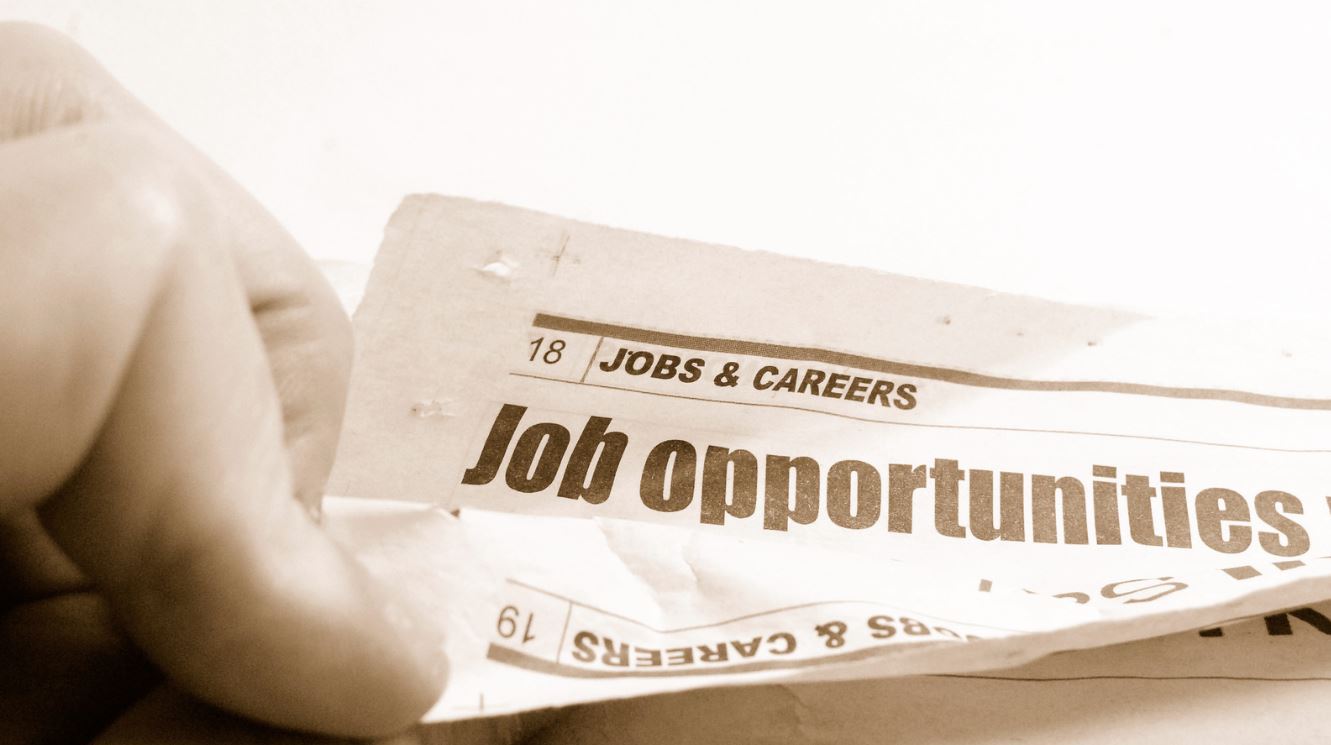
Surely you have heard that your dad or some of your relatives have retired and you never even knew where they worked or what they did for a living. Maybe you never heard of the job that they do or it’s a job that people don’t really talk about.
In our world today, most people don’t get a job and then keep it forever but instead they use their skills to move up on the corporate ladder. You can take your skills and find a job that you love that can later just become outdated just like the one that your parents did. When this happens, you have to make yourself known again!
Think of things in your life that have become outdated. VCR’s for example were a thing that many people lived on. Those that used them remembers how hard they were to work and how you could never jump from scene to scene. Now, people have DVD’s or even streaming movies that are simple and easy to use. Wouldn’t it be great if you could reinvent yourself just like the television industry reinvented movies?
Look at the Numbers
Articles from the past show that one of the biggest issues that people face when getting a job is that their skills are basically outdated. This means that when people pick up a skill, they are likely to be laid off in the future because they were more worried about getting trained and educated than they were about finding new opportunities around them.
Statistics show that there are all different types of careers and that there are skills all around that are becoming outdated. If you want to be on top in your job, then make sure that you don’t let your skills control you, but you be in control. Look at the different changes that your skills have and adapt to the life of change. You will then see that you can reinvent your name and your career. Here are some ideas on how to become bigger and better:
Using social media
Social media can be your friend when it comes to your job. This is a big trend and if you want to change jobs or keep the job you have, you need to look at social media influencers for ideas. Look at Facebook, Twitter, Instagram and more and form relationships with people. They could help you to get a better job community or following. You can put a little effort into making your social media great and it could change everything for you.
Read, Read, Read
Read things. Find news articles and business magazines and read the articles. Look at the Wall Street Journal or Forbes.com and find articles that can help you excel in your career. You can even find jobs that you have skills at that are modern.
Take a Class
Learning is the key. You need to learn how to reinvent the job that you do so that you can become better at it. Take a class or go to a conference. Order some learning material.
Each time you do this you are putting your money into things that are new. If you can stay on top of the new trends and you can learn along with them then you can use your knowledge to move up in your job. Or you might even find a new job that pays better with the new skills that you have acquired.
Stop Looking at Your Age
No matter how old you are, you can still learn something new. Age is better than some people realize because with age comes more experience. Don’t let your age hold you back. Keep learning new skills and see what you can show the new people that are just coming out of college.
Let the Past Go
Don’t be afraid to let the past go and to embrace what the future has for you. Have fun learning new things and go out and try out new experiences. This can help you to grow and to change. You will see that even your passions change as you get older.
As the passions change and the trends change, keep up with them. Even the things that seem outdated can be brought back to life with a little work. You are the one that is in charge of the path that you take, take pride in who you are and work hard to be the best you can be.




What a thoughtful and inspiring article! The comparison between outdated skills and outdated technologies like VCRs is strikingly apt. The emphasis on continuous learning and adaptation, regardless of age, is crucial in today’s ever-evolving job market. I especially appreciate the practical suggestions like leveraging social media and reading up-to-date resources. Truly, the key to career longevity and satisfaction lies in our willingness to evolve and seize new opportunities.
The emphasis on lifelong learning and age not being a barrier is encouraging. It’s a reminder that personal and professional development is a continuous journey. However, the article could also address potential barriers people might face in accessing these learning opportunities.
The article makes an insightful point about the need for continuous skill development. As technology and industries evolve, staying current is crucial. However, it would be interesting to delve deeper into specific examples of jobs that have been rendered obsolete due to technological advancements.
The comparison to outdated technology like VCRs is quite apt. It highlights the necessity of adaptability in today’s job market. However, I would have liked more concrete strategies on how to effectively leverage social media for career advancement.
I agree, Rosie. While the article underscores the importance of social media, it could provide more detailed steps or success stories. It seems that understanding the algorithm and audience engagement could be a game-changer.
The article provides practical advice on staying relevant in the job market. However, I believe it could also touch on the importance of networking, both online and offline, as a vital component of career growth and adaptability.
The notion of reinventing oneself is inspiring. Nonetheless, the article could benefit from discussing how psychological factors, such as fear of failure or imposter syndrome, can impact one’s ability to adapt and how to overcome these challenges.
You’ve raised an important point, Dilly Dally. Mental resilience and self-belief can significantly influence one’s ability to adapt to changes. Addressing these aspects can provide a more holistic approach to career development.
Comments are closed.