
Feeling restless at work can mean many things: burnout, a difficult manager, boredom, changing priorities, poor compensation, limited growth or a genuine desire for a different career.
You do not need to interpret fatigue, repeating numbers, dreams or coincidences as the universe ordering you to quit. A better approach is to identify what is not working, test alternatives and build a financially realistic transition.
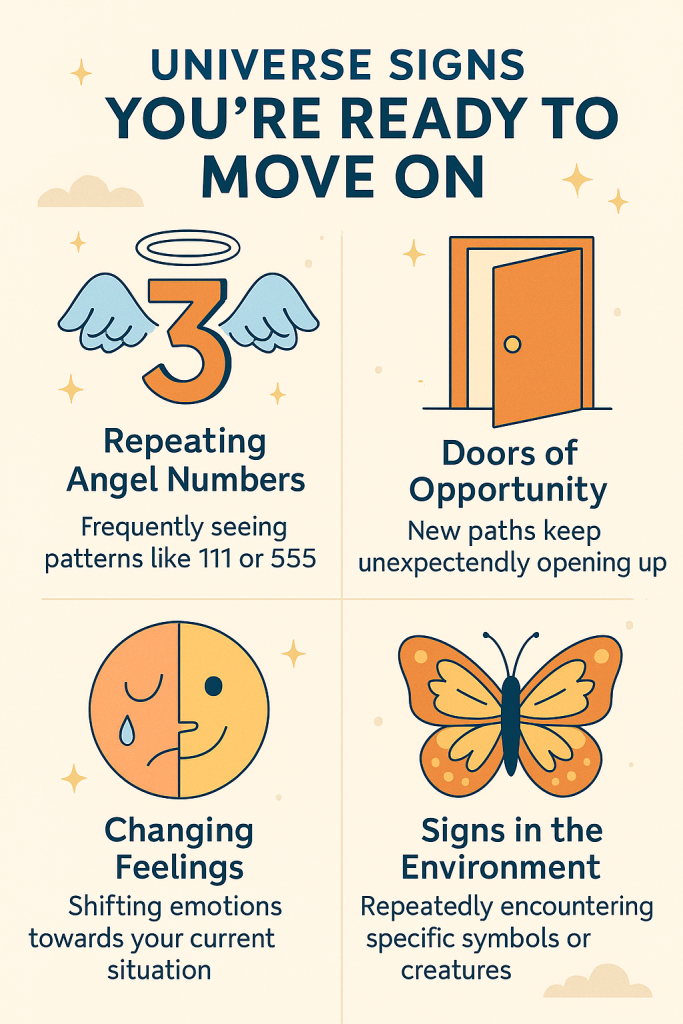
Signs It May Be Time to Reassess Your Job
- You have little opportunity to learn or advance.
- Your values repeatedly conflict with the work.
- Compensation or conditions are no longer workable.
- The role consistently uses very little of your strengths.
- You have tried reasonable changes and the core problem remains.
- You are interested in another field strongly enough to explore it seriously.
One difficult week is not enough to diagnose a career mismatch. Look for patterns across time.
Burnout vs. Career Misfit
Burnout can occur even in a career you value. It may be driven by workload, lack of control, poor support, long hours or chronic stress. A career misfit is broader: the work itself, environment or long-term direction no longer matches what you want.
The World Health Organization defines burnout as an occupational phenomenon linked to chronic workplace stress that has not been successfully managed, characterized by exhaustion, greater mental distance or cynicism, and reduced professional efficacy. That framework can help separate a workplace-stress problem from a broader career decision.
Rest may help clarify the difference, but persistent fatigue after vacation does not prove “energetic misalignment.” If exhaustion, sleep problems, depression or other symptoms are significant, consider health and mental-health causes too.
Do a Practical Work Audit
For two weeks, track:
- tasks that energize or engage you;
- tasks that consistently frustrate you;
- skills you want to use more;
- people or processes that create avoidable friction;
- what you would change if you stayed;
- what you hope a new career would provide.
This is more useful than treating every uncomfortable body sensation as a message.
Test Before You Leap
Career change does not have to begin with resignation. Lower-risk tests include:
- an informational interview;
- a short course;
- freelance or volunteer work;
- a side project — if you want to test whether a passion can become income before leaving your job, see Turn a Passion Into a Side Business: Test Before Quitting;
- shadowing someone in the field;
- updating your résumé and applying selectively.
Experiments give you information that imagination alone cannot.
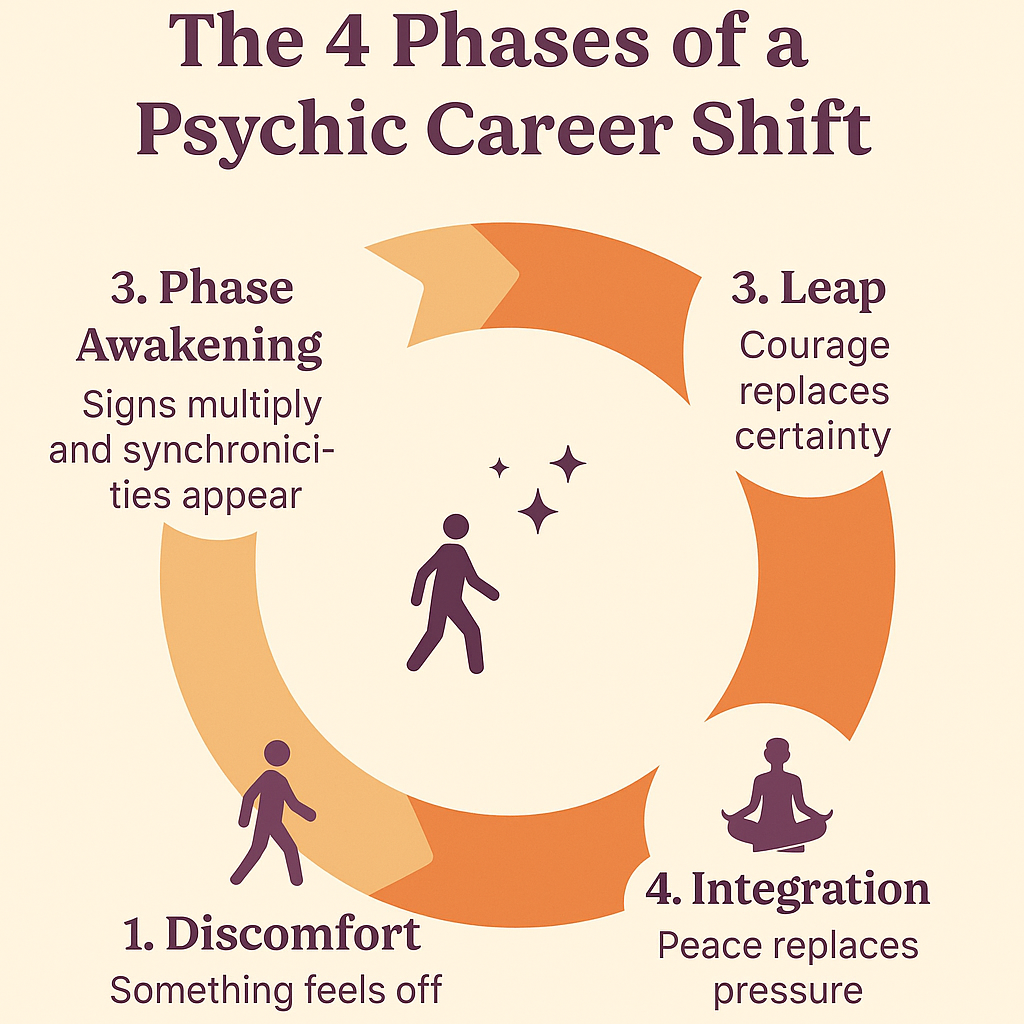
Three Ways a Career Change Can Happen
1. Adjust the Current Role
Change responsibilities, team, schedule, manager or projects before changing professions entirely.
2. Build a Bridge
Use existing skills in a new industry or gradually develop a second path while keeping income.
3. Make a Larger Pivot
Retraining or changing fields can make sense when the mismatch is fundamental, but the transition should still account for finances, qualifications and market conditions.
Money Is Part of Career Planning
Purpose does not eliminate rent, debt, health insurance or dependents. Before a major change, understand:
- your monthly essential expenses;
- available savings;
- training costs;
- likely entry-level compensation;
- benefits and retirement implications;
- how long a transition may realistically take.
Do not assume that “alignment” will automatically create income or that the universe rewards a leap financially.
What About Intuition?
Intuition can highlight preferences and concerns, but it is not automatically more reliable than analysis. A gut feeling is best treated as a question to investigate.
If a new role feels appealing, ask why. If your current job produces dread, identify the specific factors. Then compare the feeling with facts.
Repeating Numbers, Dreams and “Signs”
You may notice repeating numbers, career-related dreams or coincidences during a period of change because the topic is already important to you. You can use them as journaling prompts if that feels meaningful.
They are not reliable confirmation that you should resign or choose a specific career.
Chakras as Metaphors, Not Career Diagnoses
Some spiritual practitioners use chakra language to organize themes such as security, creativity, confidence, communication and purpose. That can be a reflective framework.
Financial anxiety does not prove a blocked root chakra, digestive symptoms do not prove a solar-plexus career mismatch and a psychic cannot diagnose career fit from a dim chakra.
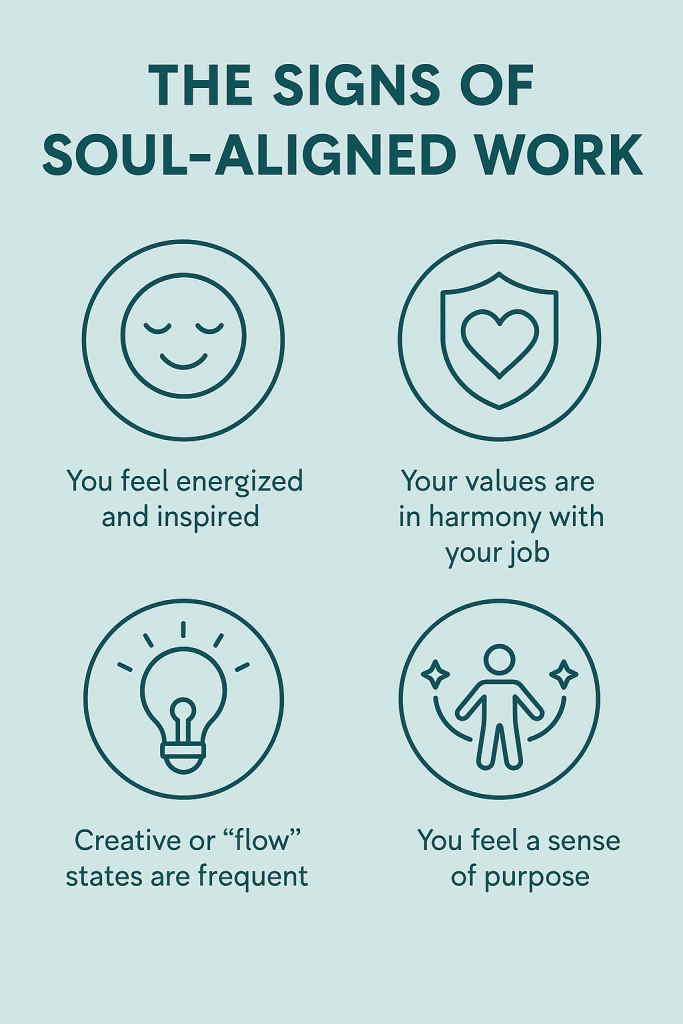
What Meaningful Work Can Look Like
Meaningful work does not always feel effortless. It may still involve tedious tasks, conflict, deadlines and uncertainty.
More useful measures include:
- reasonable fit with your values — if you use spiritual language around fairness at work, see Workplace Karma: Integrity, Reciprocity and Real Outcomes for a grounded behavior-based interpretation;
- opportunities to use valued skills;
- acceptable compensation and conditions;
- room to grow;
- a sustainable level of stress;
- enough life outside work.
How a Career Psychic Reading Can Fit
If you enjoy spiritual guidance, a career reading can be used to reflect on values, fears or options. It should not tell you that a promotion is guaranteed, that a particular industry is your destiny or that your body/aura proves you must quit.
Better questions include:
- What am I overlooking about my current role?
- Which strength would I like to use more?
- What fear is keeping me from testing an option?
- What practical information do I need before deciding?
For a related guide, see Career Psychic Readings: What They Can and Cannot Tell You.
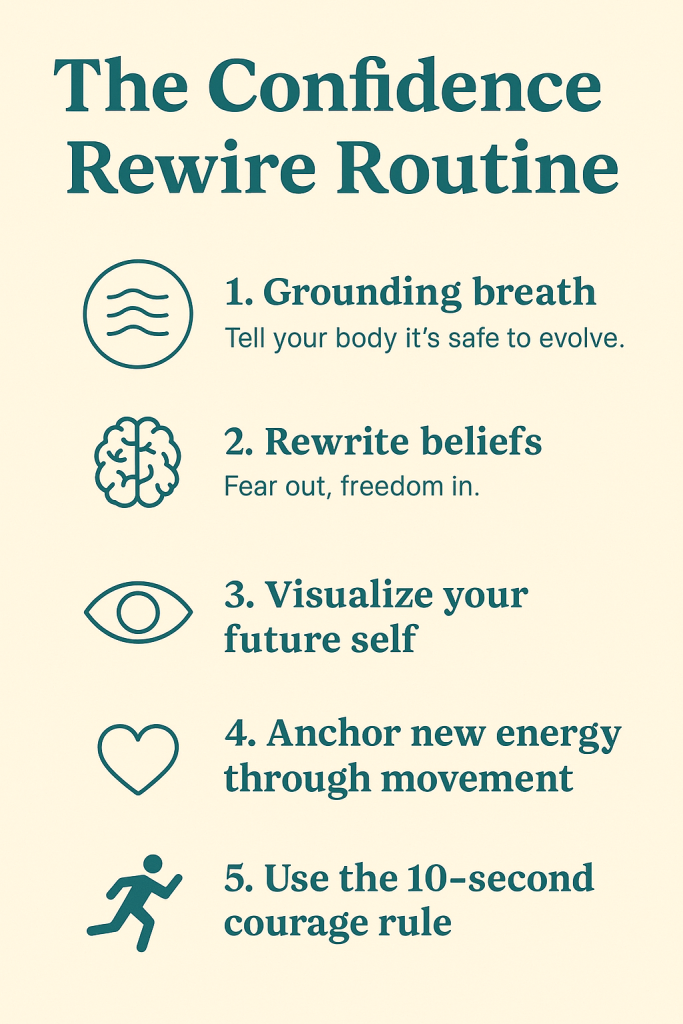
Plan the Next Move With Practical Evidence
If you decide a change is worth exploring, use Career Journey: Map Your Next Professional Move to compare current job postings, transferable skills, training requirements, networking and low-risk experiments before making a larger transition.
Frequently Asked Questions
How do I know it is time for a career change?
Look for sustained problems with growth, values, conditions or fit after reasonable attempts to improve the situation.
Does exhaustion mean I am in the wrong career?
No. Exhaustion can have many causes, including workload, health and burnout.
Can intuition guide a career change?
It can raise useful questions, but major decisions should also use evidence, finances and practical research.
Do repeating numbers mean I should quit?
No. They can be personally meaningful but are not reliable career instructions.
Can a psychic identify my perfect career?
A reader may suggest themes, but no reading can objectively determine one perfect profession.
Should I quit before I have another job?
That depends on safety, finances, health and circumstances. Build a realistic plan rather than relying on spiritual certainty.
Is it too late to change careers?
No. Career changes can happen at many ages, although training, finances and market conditions still matter. For a dedicated later-career plan, see How to Change Careers Later in Life: Practical Steps.
What is the safest first step?
Test the new direction through research, conversations, courses or small projects before making an irreversible move.