
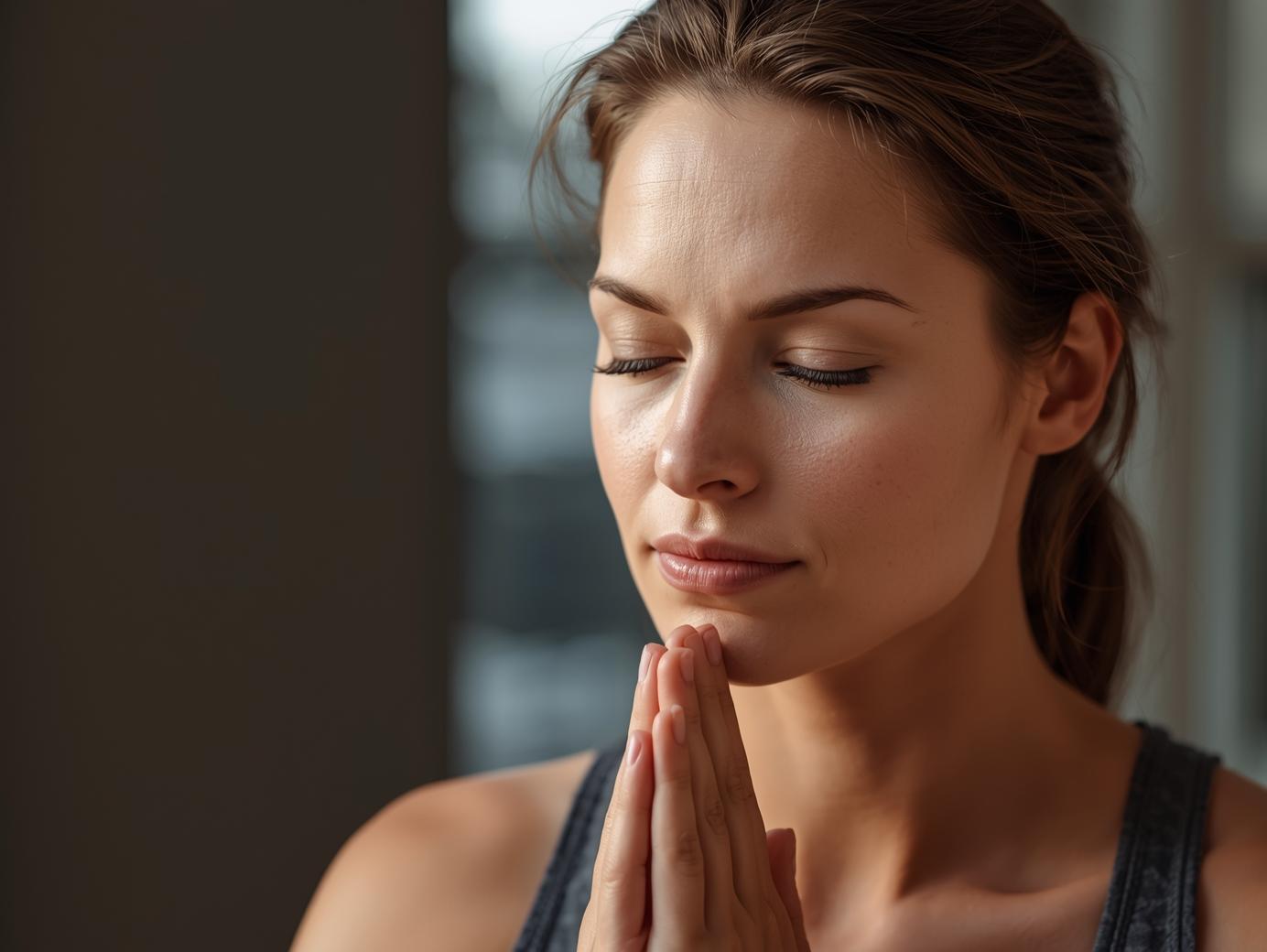
Meditation as a Normal Wellness Practice
One of the most normalized wellness practices today is meditation. If you have stress or trauma and you’re in some type of recovery, therapists recommend medicine, but employers are also using it in their workplace wellness. Schools have started teaching children to do breathing exercises to control their emotions. “American Psychological Association” research shows that there’s evidence that proves that meditation helps cognitive functioning, long-term mental well-being, and even mood stability, according to (https://www.apa.org/monitor/2022/07/continuing-meditation-mental-health). This shows that mindfulness can help to reduce stress, bring clarity, and support emotional resilience.
Even though meditation is a great thing and it’s growing, there is a concern that people are unintentionally using meditation to hide their psychological place. Instead of exploring what’s going on inside of them, many sit quietly and use it as an escape method. Calmness becomes hidden, and stillness becomes a buffer where peace becomes numbness.
Spiritual circles call this situation “spiritual bypassing,” and psychologists call it “emotional avoidance.” Even psychics might say that the aura looks good on the surface but feels muted energetically. It’s like the colors of the aura have become dimmed.
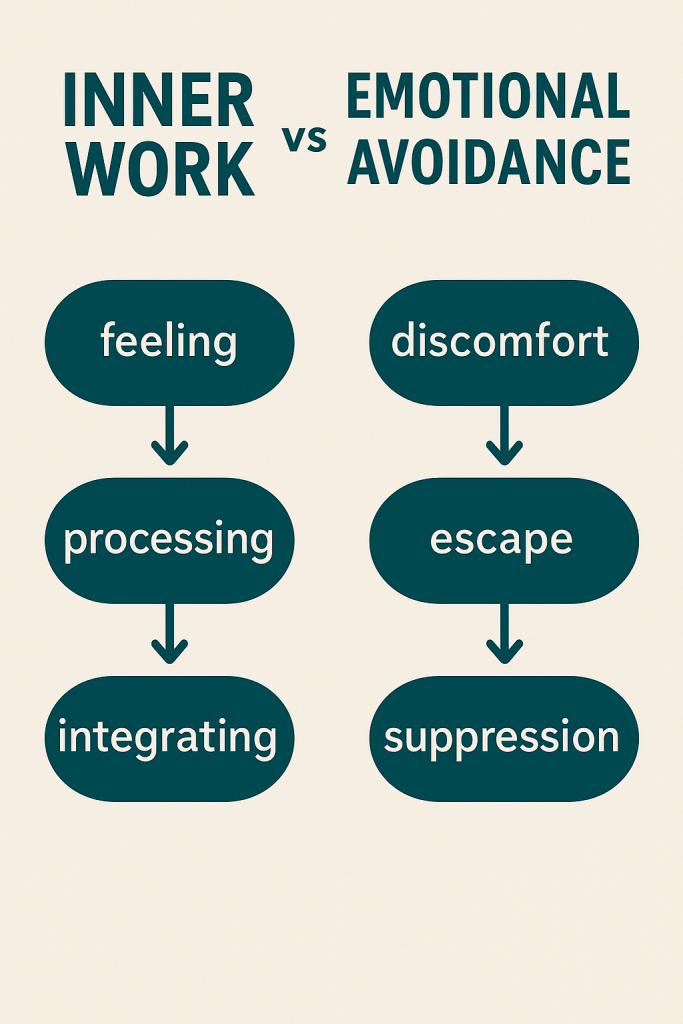
Meditation is a strong tool, but just like anything else, it can be misused. If someone is meditating to hide or silence their emotions instead of to understand them, their inner work becomes inner escaping. If you keep reading this article, you’ll find out why there is a chance of over-meditation, how you can recognize it, and how research proves that intuition and psychic guidance can bring honesty and balance back into your meditation techniques.
Using Meditation to Help Bring Calmness
People used to use meditation as a sacred discipline, where it would be a personal situation for them, where they would sit in quiet. But now, with the change of culture, it has become a standard, a place of self-awareness, maturity, and even mental growth. Many people talk about their meditation streaks, and they get on social media and share the routines that they do to be more mindful while joining intensive retreats, looking for transformation.
Even though the cultural shift can be positive, it has also created some pressure, such as:
- To meditate daily.
- To meditate the right way.
- To meditate deeply.
- To meditate before reacting.
- To meditate before speaking.
- To meditate until you feel nothing unpleasant.
Things like meditation apps encourage people to keep their meditation streaks alive, and this sometimes can cause stress where a person thinks that if they don’t do it one day, they are failing. There are different influencers who are making meditation a moral compass, and corporate programs are treating it as a productivity hack. But pressure to be calm can be just as hurtful as not being mindful at all or being too busy.
According to the National Institute of Health, meditation does improve attention and help with emotional regulation, but this is based on an individual’s sensitivity, intensity of the meditation, and their history. Some people respond to meditation in a positive way, and others experience what some call emotional muting.
Where meditation has become a booming trend, it has created consequences of people starting to meditate based on their image instead of building inner clarity and mental mindfulness.
Stillness as a Hiding Place Instead of Support
Meditation is supposed to help you settle your mind, breathe deeper, and reconnect with yourself. But sometimes that quiet starts serving a different purpose. Instead of helping someone face what they feel, it becomes a soft blanket they pull over everything they don’t want to deal with. People often begin meditating to handle overwhelm, but without realizing it, they slowly start using the practice to push those same feelings out of sight.
Most of us are familiar with the usual ways people avoid emotional discomfort, like snacking when stressed, working until exhaustion, shopping to fill the silence, endlessly scrolling, drinking to “take the edge off,” or even over-exercising just to outrun their thoughts. Meditation can slip right into that mix because it looks healthy on the outside. It has the shine of self-care and the approval of everyone watching. But done for the wrong reasons, it can become just another way to dodge what hurts.
Signs That Meditation is More About Avoidance Than Clarity
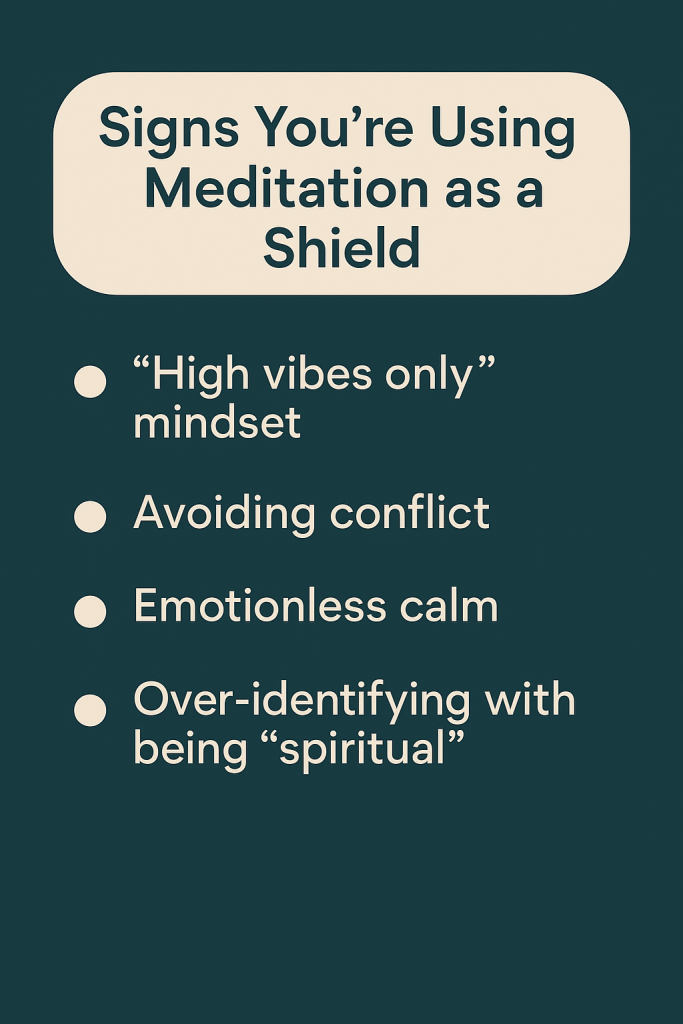
There are moments when the calm doesn’t feel like clarity, but it feels like distance. When meditation starts functioning as a shield instead of a support, it often shows up as:
- Turning to meditation every time a strong emotion shows up, instead of sitting with it.
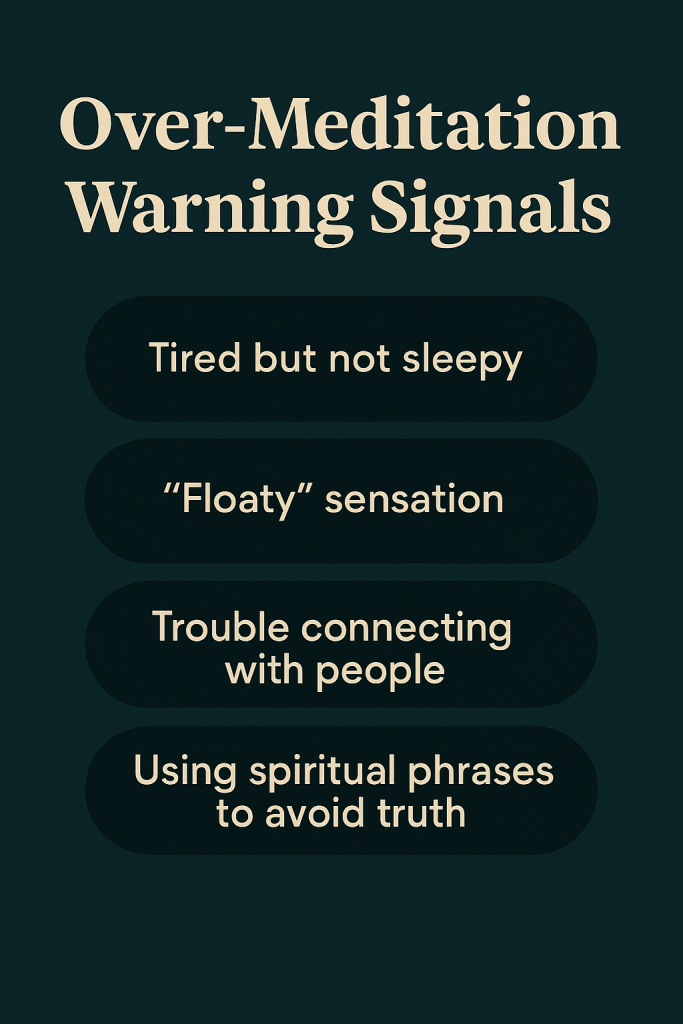
- Skipping hard conversations by saying you want to “stay centered.”
- Feeling calm but oddly disconnected from yourself.
- Struggling to name what you’re feeling.
- Taking pride in being “peaceful” while rarely expressing actual emotion.
- Feeling emotionally muted, as if intensity is off-limits.
- Losing interest in things you once loved.
- Pulling inward when you need to speak up.
- Feeling uneasy or unsettled when you aren’t meditating.
Meditation is meant to help you understand your emotions and not to erase them.
Real-Life Examples of Confusing Numbness with Peace
There was a wellness influencer whose entire online world was built around calmness. She posted tranquil photos, wrote about “alignment,” and framed every day as an opportunity to stay “high vibration.” Her followers adored her peaceful aura.
Behind the scenes, though, she was using meditation to avoid every uncomfortable feeling she had. Anger was pushed down. Sadness was ignored. Overwhelm got covered by a quick meditation session instead of being acknowledged.
She admitted later, “I thought my emotional numbness meant I was spiritually evolving.” She wasn’t healing, but she was hiding. Meditation became the mask that kept her from facing herself.
The Risk of Using Spiritual Bypassing
Spiritual bypassing happens when someone uses spiritual language or practices to escape emotional reality. Out of all the tools people reach for, meditation is the easiest one to turn into an escape because it creates temporary relief, even when nothing has truly changed.
Bypassing shows up in subtle ways:
- Calling normal human emotions “low vibration.”
- Offering love and light instead of addressing real conflict.
- Repeating affirmations instead of setting boundaries.
- Dismissing pain with phrases like “everything happens for a reason.”
- Assuming calmness equals growth or superiority.
Research shared through the American Psychological Association notes that mindfulness can sometimes lead to emotional blunting when it’s used to avoid feelings instead of working through them. Calmness isn’t always a sign of healing; sometimes it’s a sign that someone has shut down.
Real-Life Examples of Meditating Out
During a stressful corporate restructuring, a senior executive developed a habit of meditating multiple times a day. Everyone around him thought he was a model of composure. No panic. No visible frustration. No emotional waves at all.
But inside, he was shutting down. He began avoiding major decisions, withdrawing from his team, and using meditation to push down stress instead of acting on it. A consultant eventually told him, “Your calmness is a wall, not a solution.”
His meditation practice wasn’t helping him handle the situation. It was numbing him to it.
What Happens Emotionally When You Over-Meditate?
Too much meditation, especially when it replaces emotional processing, can actually mimic spiritual insight while quietly cutting someone off from themselves. The effects often appear slowly:
- Emotions feel dulled instead of processed.
- Passion and excitement fade.
- Your relationships lack depth.
- Family or partners feel distant.
- Conflict gets avoided at all costs.
- You feel floaty or disconnected from your body.
- You struggle to make choices without meditating first.
- Your intuitive signals feel muted instead of sharp.
- It becomes hard to know what you want or need.
People often describe this state as “peace,” but it’s really more of an emotional flatline. Meditation is supposed to expand your emotional world, not shrink it.
What Science Says About Too Much Stillness
Meditation is known to create changes that can be measured in the brain.
- The amygdala, which is the emotional response center, becomes less active.
- Self-referential thinking becomes quieter.
- Executive functions get stronger.
These are changes that can help the body if they’re done in moderation, but meditating for a long time can cause the brain to go into an under responsive state.
A study from NIH’s public database said that intensive meditation practices can cause dissociative-like stress that can include depersonalization, emotional flattening, and derealization. This means that having too much quiet can cause you to disconnect from yourself. When emotional reactivity decreases too much, it can cause:
- Weakened intuition.
- Your personal agency to decline.
- Your relationships are to be more distant.
- Numbness of the body.
- Dreamlike reality.
It’s important to realize that meditation and stillness are meant to support you in your life, and not to replace your life.
Why Meditation Isn’t Meant to Replace Self-Expression or Emotional Support
Meditation can help to regulate emotions, but it can’t heal wounds that are in your relationships, replace psychotherapy, process grief, get rid of trauma, replace emotional honesty, or serve just as a coping method.
The Mayo Clinic talks about how meditation is most effective when it is used with other forms of support. It is a tool that is supposed to help and not to cure everything. Here are some signs that your meditation is replacing your emotional expression, such as:
- Instead of facing your feelings, you meditate.
- When you fight with someone, you meditate instead of communicating.
- You use this as a way to be calm instead of setting boundaries.
- You feel ashamed of your emotions.
- You use mediation to make you feel okay instead of understanding what is wrong.
Real-Life Example of Grief Not Being Taken Seriously
After her sister passed away, a woman turned to meditation every day because she felt she had to “stay strong.” She didn’t cry. She didn’t talk about the loss. She kept herself calm, convincing everyone, and herself, that she was coping well. But inside, she felt washed out and strangely hollow.
It wasn’t until months later, when she joined a grief support group, that she realized she had never truly allowed herself to feel anything at all. The moment she finally let the sadness rise, her emotional world came back online. Meditation supported her healing only after she stopped using it as a shield against her own pain.
Why Intuition Still Matters and How Intuition Guides You
Meditation and intuition work together, but they don’t serve the same purpose. Meditation calms the mental noise. Intuition tells you what the quiet is trying to say.
- Meditation brings you into stillness.
Intuition shows you the meaning inside that stillness. - Meditation helps you notice your emotions.
Intuition helps you understand them.
This is one reason psychics can spot emotional avoidance in people who meditate a lot. The energy never lies. A psychic often picks up on things like:
- A muted or faded aura tones signal suppressed emotion.
- A tight or guarded heart chakra.
- “Floaty” energy that shows too much detachment.
- Weakened gut instincts caused by shutting down feelings.
- Intuitive pathways that feel blocked from chronic bypassing.
Meditation without intuition becomes quiet without clarity.
Real-Life Examples: Opening the Heart with a Psychic Reading
A man who meditated for two hours a day went to a psychic because something still felt off, but he couldn’t explain it, and he felt disconnected from himself. The intuitive reader immediately picked up an undercurrent of loneliness he hadn’t acknowledged. Within minutes, he broke down crying. He hadn’t cried in almost a year.
He later shared, “Meditation made everything quieter. Intuition made everything make sense.”
Stillness is only helpful when it leads you back to emotional truth.
Meditating without Avoiding Your Inner Self
Healthy meditation doesn’t run from emotion, but it includes it. It blends intuition, honesty, and awareness instead of replacing them.
Reflecting After Each Meditation Session
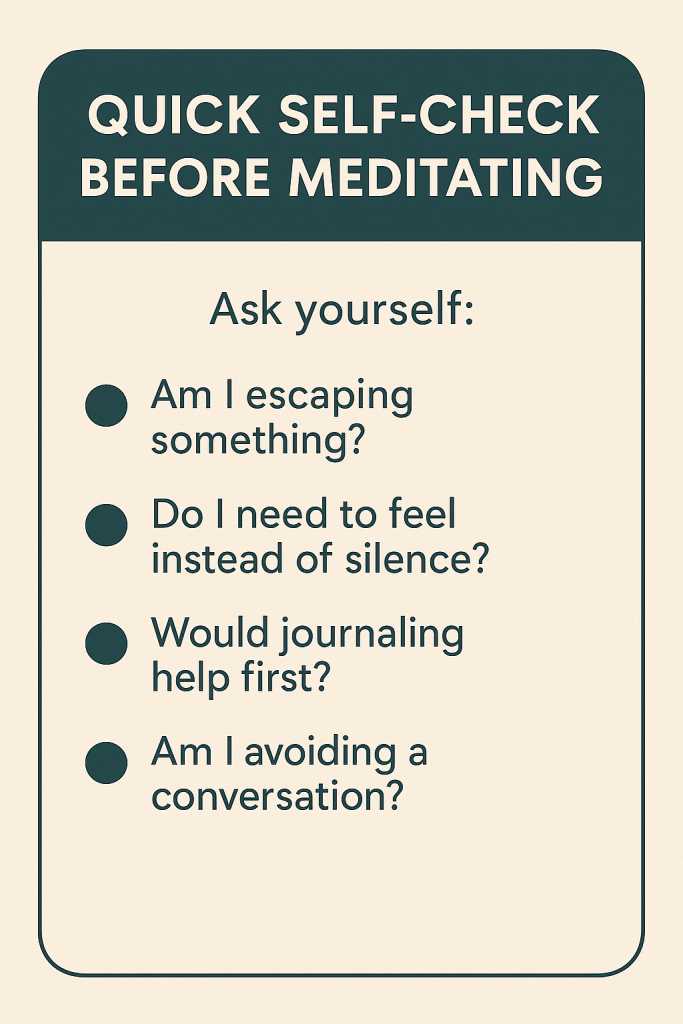
A little reflection keeps meditation from turning into escape. Ask yourself:
- What emotion did I try to push aside today?
- What truth did the quiet soften?
- What am I avoiding or postponing?
- What intuitive message is trying to get my attention?
- What did my body feel that my mind tried to ignore?
Journaling to Open Your Emotions
Writing makes it easier to reconnect with what’s going on inside. Try prompts like:
- “What am I scared to feel right now?”
- “What emotion feels unsafe to express?”
- “What situation am I tiptoeing around?”
- “What truth am I refusing to name?”
Let the page speak back to you.
How to Reconnect with Your Body
Sometimes meditation quiets the mind so much that the body gets left behind. To rebalance:
- Stretch gently.
- Do breathwork.
- Go for a walk.
- Dance for a few minutes.
- Stand barefoot on the ground and breathe.
These practices help bring you back into yourself.
Using Psychic Tools to Gain More Insight
Intuitive guidance can help reveal what meditation alone can’t fully access. A reading may highlight:
- Emotional blockages.
- Repeating relationship patterns.
- Energy imbalances.
- Repressed feelings.
- Intuitive messages that are buried under over-meditation.
Intuition makes meaning out of the quiet spaces.
Stopping Meditation from Becoming a Shield
Sometimes the healthiest choice is not to meditate more, but to meditate less. You may need a break if you notice:
- Emotional numbness.
- Fading interest in having connections.
- Hard time tuning into your own intuition.
- Loss of passion.
- Avoiding reality.
Stillness is medicine, not a hiding place.
Starting with Meditation, Not Living in it.
Let meditation open the door to emotional truth, not close you off from it. Use the quiet to meet yourself, not avoid yourself. When stillness and honesty work together, meditation becomes healing instead of numbing.
What Does the Future of Mindfulness Look Like?
Mindfulness will turn away from the idea of being calm at all costs and will turn more towards emotional truth. People want something that’s real, and they want to feel again. They want to have intuition that’s loud and alive and not muted. They want to have spiritual practices that include human experiences, whether they’re good or messy.
The future of mindfulness will likely include:
• Meditating.
• Emotional expression.
• Intuition.
• Psychic guidance.
• Trauma awareness.
• Setting boundaries.
• Embodiment.
Meditation is helpful when it’s used with your emotions and intuitive intelligence.
Final Thoughts: Inner Work Means to Feel and Not to Hide
Meditation is meant to calm the mind and get rid of mental chatter, but if you don’t have emotional honesty, it can hide the truths that you need to face. Doing real inner work means you have to be present, vulnerable, courageous, connected, and to have intuition. You also have to be willing to feel deeply, even when it’s painful.
Inner work means that you face your emotions and you don’t hide from them. Meditation helps to quiet your mind, but intuition clarifies and gives you answers. And on top of that, it’s important to remember that your emotions help to bring healing. When you use all these things together, they can create a real transformation in your life.
Frequently Asked Questions
What does it mean to over-meditate?
Over-meditation happens when you use meditation to numb emotions rather than process them, leading to emotional bypassing.Can too much meditation make me feel disconnected?
Yes, excessive meditation can dull emotional responses, making you feel detached from your own needs.How do I know if meditation is becoming emotional avoidance?
If you meditate every time you feel discomfort instead of facing it, avoidance may be happening.Is it normal to feel numb after long meditation sessions?
Yes, long sessions can reduce emotional sensitivity as the nervous system down-regulates too much.How long should meditation sessions ideally be?
Most experts recommend 10–20 minutes a day for balance.Is meditating multiple times a day harmful?
It’s not harmful by default, but it becomes unhealthy if used to escape feelings or responsibilities.Can meditation suppress emotions?
Meditation can temporarily quiet emotions, but overuse may suppress unresolved ones.Why do I feel anxious during or after meditating?
Anxiety may surface when meditation triggers suppressed emotions that need processing.What’s the difference between inner work and emotional bypassing?
Inner work involves facing emotions; bypassing uses spiritual practices to avoid them.How do psychics view emotional avoidance in meditation?
Many see it as a sign that your aura is overwhelmed and needs grounding practices instead.Can meditation slow down healing?
Yes, if you’re avoiding emotional truth rather than integrating it.Are mindfulness and meditation the same thing?
Mindfulness is awareness in daily life; meditation is a structured practice. Balance is important.What are signs I’m using meditation to avoid life challenges?
Ignoring problems, avoiding conflict, and hiding behind “high vibes only.”Can grounding help if I’m over-meditating?
Yes, grounding reconnects your energy to the body and reduces dissociation.Should I stop meditating completely if I’m overdoing it?
You don’t need to stop—just reduce intensity and integrate emotional processing tools.Can meditation become addictive?
Yes, people can become attached to the escapism it provides.Why do I feel spaced out after long sessions?
Your nervous system may have shifted too far into stillness, reducing alertness.Does trauma make over-meditation more likely?
Yes, people with trauma often use meditation to avoid emotional pain.What type of meditation is best if I tend to over-meditate?
Short grounding meditations or body-based practices are ideal.Can journaling help balance meditation?
Yes, journaling moves emotional insights into conscious awareness.What is spiritual bypassing?
Spiritual bypassing is using spirituality to avoid emotional or psychological healing.Can I still meditate if I’m going through something stressful?
Yes, but keep sessions short and allow emotions to surface naturally.How do I bring balance back to my meditation routine?
Alternate meditation with grounded activities like walking or talking to someone you trust.Why do psychics recommend grounding stones for over-meditators?
Stones like hematite or smoky quartz help stabilize scattered or excessive upper-chakra energy.Can meditation increase emotional sensitivity?
Healthy meditation increases awareness, but overuse can cause the opposite.Should beginners worry about over-meditating?
Not usually—over-meditation occurs when sessions become excessive or avoidant.What happens energetically when I meditate too much?
Energy can pool in the upper chakras, creating imbalance or detachment.How do I meditate without bypassing emotions?
Let feelings arise, breathe through them, and don’t rush to “clear” them.Can over-meditation affect intuition?
Yes, avoidance blocks intuitive clarity because intuition needs emotional honesty.What’s a healthy meditation schedule?
Daily short sessions combined with emotional processing and grounded activities.




I see both sides here. Meditation truly helped my anxiety, but I also recognize moments where I’ve hidden behind it to avoid hard conversations with family. This article opened my eyes to that.
‘Stillness is medicine, not a hiding place’ is the realest thing I’ve read all week 💯 People think if you’re quiet, you’re okay—but silence can be a scream too.
‘Meditation isn’t meant to replace emotions’ – well no kidding! Next thing you know we’ll have articles warning people not to breathe too deeply because it might make them forget their childhood trauma 🙄
This article makes meditation sound like it’s some kind of dangerous substance. Seriously? People are finally doing something healthy and now we’re scaring them into thinking peace is emotional avoidance? Give me a break.
I meditate every day and I feel fine. This article just made me confused. If I feel better, how can that be bad? Maybe I’m not doing it wrong like they said or maybe I am?
As someone who has practiced mindfulness for over a decade, I deeply appreciate the nuance in this piece. It’s important we remember that inner work includes embracing discomfort, not just escaping it via stillness.