

Sacred places can feel powerful for many reasons: religious significance, architecture, landscape, altitude, silence, ritual, memory, pilgrimage and the expectations visitors bring with them. Some travelers describe these reactions as spiritual energy; others understand them as awe, cultural meaning or emotional response.
This guide highlights 56 sacred places, sub-sites and pilgrimage experiences that carry religious, cultural or symbolic importance in different traditions. Some entries are distinct locations; others focus on a specific temple, route, ritual setting or time-of-day experience within a larger sacred landscape. It does not rank one faith above another and it does not claim that these places contain a scientifically verified psychic field.
Physical sensations such as tingling, dizziness, headaches, ringing ears or breathlessness can have ordinary causes including altitude, exertion, heat, cold, dehydration, anxiety or sensory conditions. Treat those sensations as body signals first, not proof that a site is activating psychic abilities.
Why Sacred Places Can Feel Different
Several factors can make a location feel unusually intense:
- History and ritual: knowing that generations have prayed, mourned, celebrated or made pilgrimage there can shape attention and emotion.
- Landscape: mountains, deserts, caves, rivers and dramatic light can create awe.
- Architecture and acoustics: large temples, stone chambers, bells, chanting and echo affect perception.
- Expectation: if you arrive anticipating a spiritual experience, you may notice sensations and coincidences more strongly.
- Community: sharing a ritual or pilgrimage with others can intensify meaning.
Some spiritual traditions also use concepts such as vortexes, ley lines or sacred energy. These are belief-based frameworks rather than established geophysical explanations.
How to Read This List Respectfully
Many of these places are active religious sites or culturally protected landscapes, not spiritual theme parks. Follow local rules, dress requirements, photography restrictions, access limits and requests from the communities who care for the site. Do not remove rocks, artifacts, plants or offerings.
Source and access note: Historical details, pilgrimage practices and visitor rules can change or differ by community. Where a location is a World Heritage property, the UNESCO World Heritage List can provide useful heritage context, but it does not cover every place in this guide. Before travel or reproducing a ritual, check the current site custodian, religious authority, park agency or community-led source for that specific place.
1. Sedona, Arizona
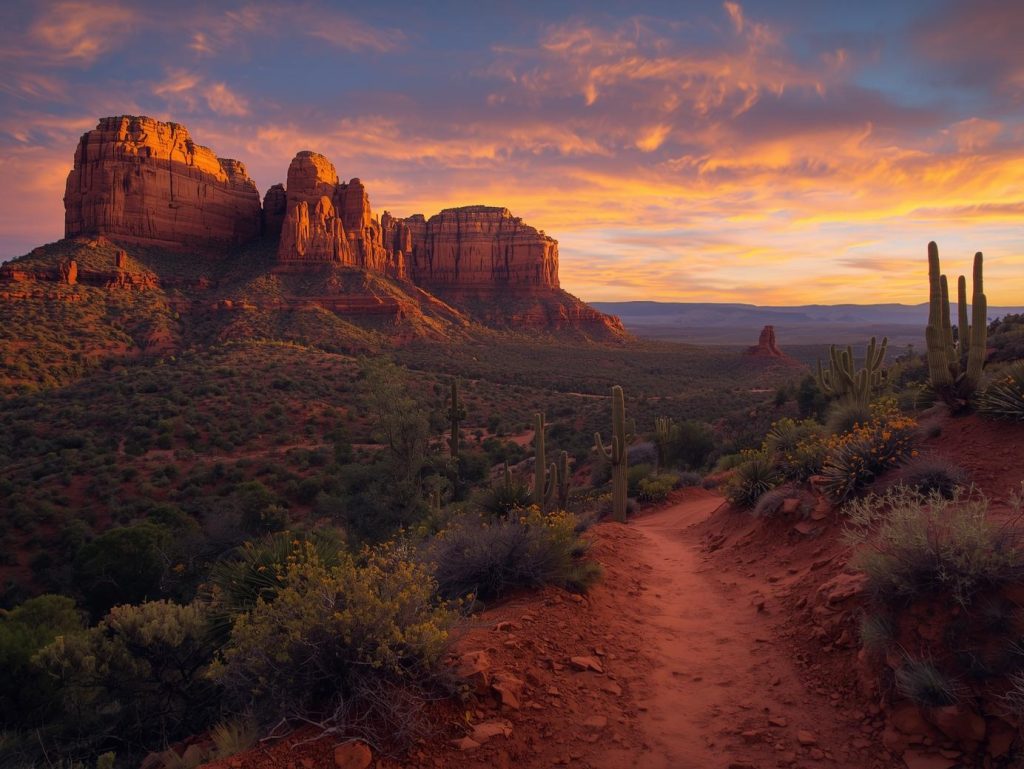 Sedona’s red-rock landscape has become closely associated with modern “vortex” spirituality. Some visitors describe unusual calm, tingling or a strong sense of connection there, while others respond primarily to the dramatic scenery, hiking, silence and expectation. Claims about energy lines meeting at specific vortex sites are spiritual beliefs rather than established geophysical findings.
2. Mount Kailash, Tibet
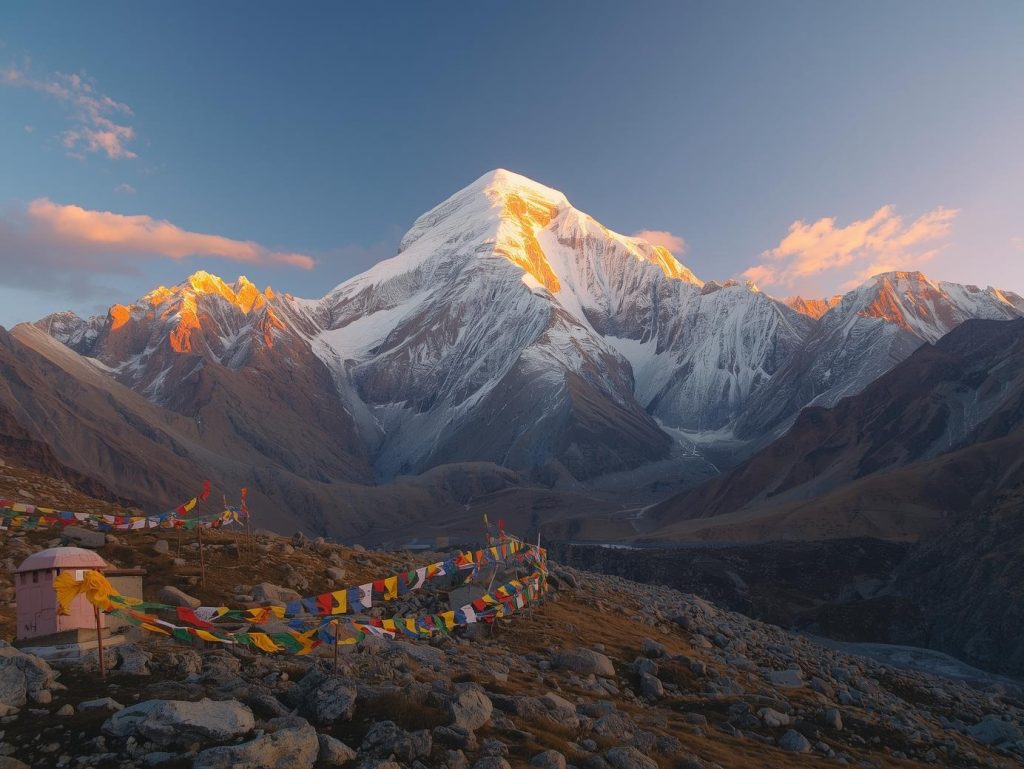 Mount Kailash is sacred in several South Asian and Himalayan religious traditions, including Hinduism, Buddhism, Jainism and Bön. Pilgrims traditionally undertake a circumambulation of the mountain, often called a kora or parikrama, with beliefs about merit, purification and spiritual benefit varying by tradition. Those religious meanings should be described as beliefs and practices rather than as guaranteed effects of completing the route.
3. Machu Picchu, Peru
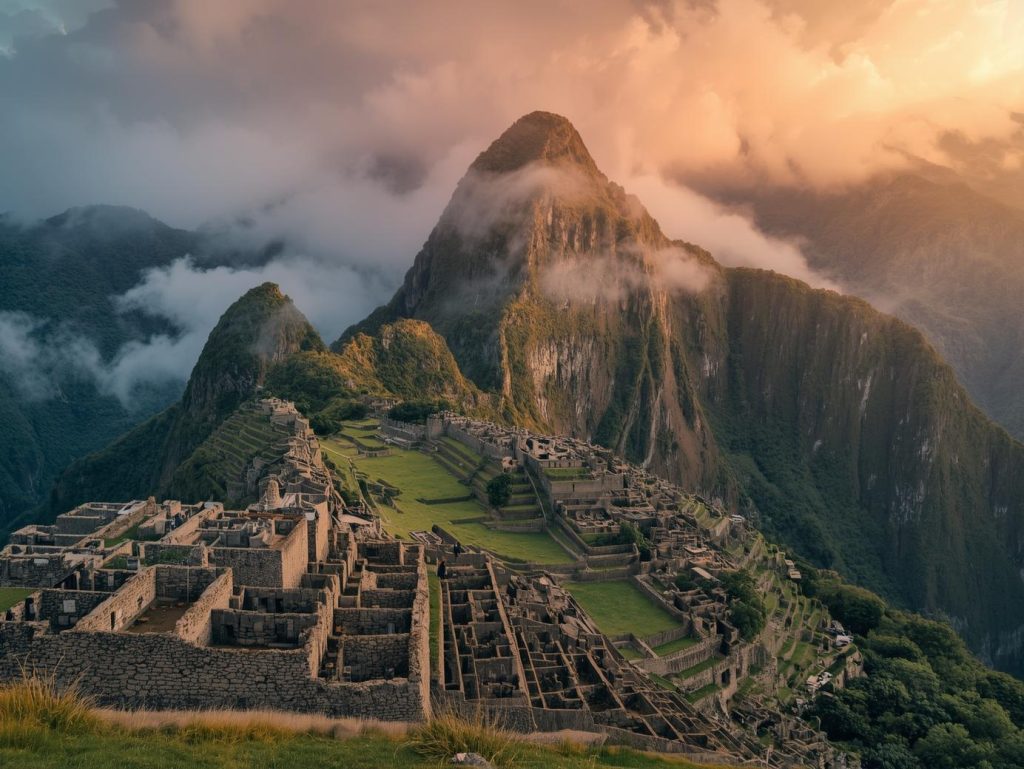 High in the Andes, Machu Picchu combines extraordinary Inca stonework, mountain scenery and the physical effects of altitude. Visitors often describe awe, quiet or emotional release there. Those reactions can be meaningful, but they do not show that the mountain itself clears thoughts or transmits a spiritual force.
4. Paro Taktsang (Tiger’s Nest), Bhutan
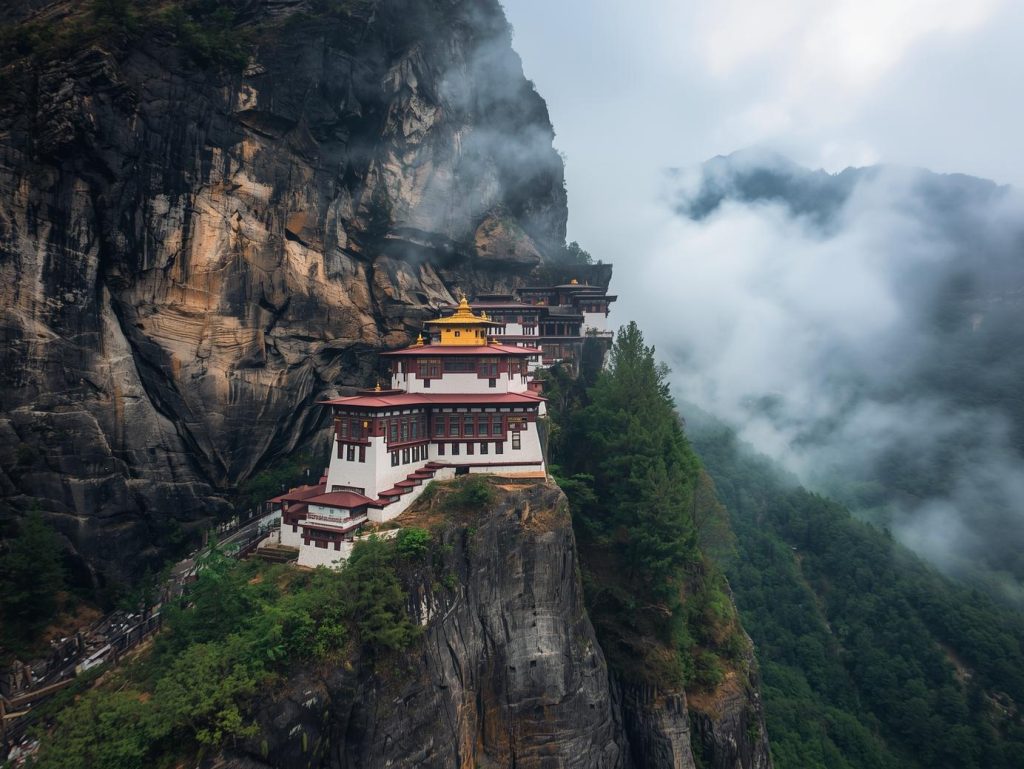 Paro Taktsang is a Buddhist monastery dramatically built into a cliffside above the Paro Valley. Reaching it requires a steep hike at altitude, and visitors may experience fatigue, awe, quiet or a strong sense of spiritual significance. Those reactions can be shaped by the landscape, pilgrimage context and personal belief rather than proving that the mountain is communicating or changing consciousness.
5. Stonehenge, England
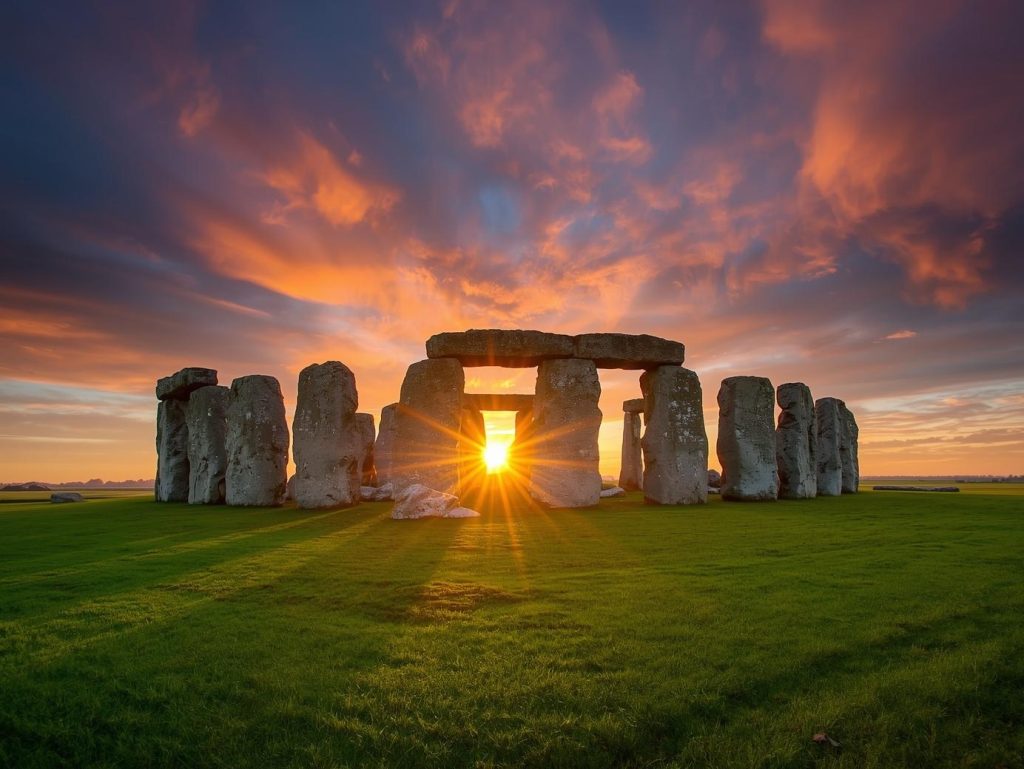 Stonehenge’s monumental stones, prehistoric setting and solar alignments make it one of the world’s most recognizable ancient ceremonial landscapes. Modern visitors may describe awe, mystery or spiritual significance there, especially around sunrise and solstice events. Claims about measurable earth energy or psychic alignment remain spiritual interpretations rather than established archaeological findings.
6. Wawel Chakra, Kraków, Poland
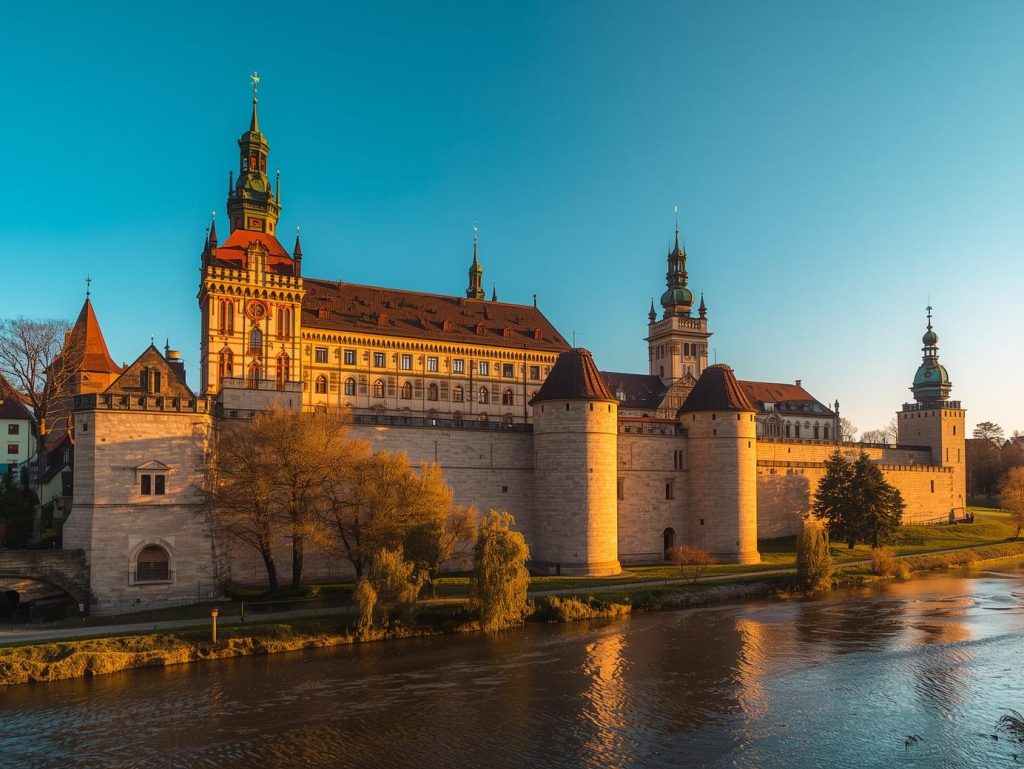 A modern legend around Wawel Castle describes a so-called “Wawel Chakra” or Earth-energy point. Visitors sometimes report warmth or calm there, but these experiences are personal and the chakra claim is not an established geological fact. The castle’s history and symbolic importance are interesting enough without treating a body sensation as proof of an energy field.
7. Mount Shasta, California
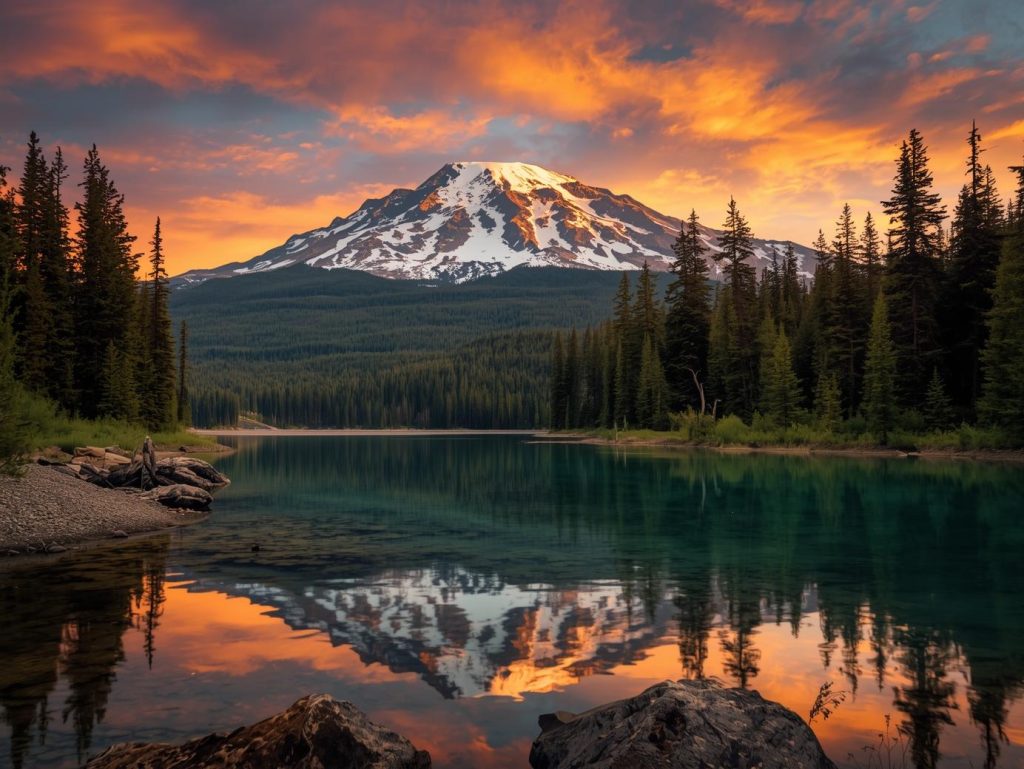 Mount Shasta dominates the skyline and has attracted religious communities, spiritual seekers and outdoor travelers for generations. Some visitors describe vivid dreams or moments of insight there. Altitude, isolation, landscape and expectation can all affect how a place feels, so personal experiences should not be treated as proof that the mountain is transmitting psychic energy.
8. Varanasi, India
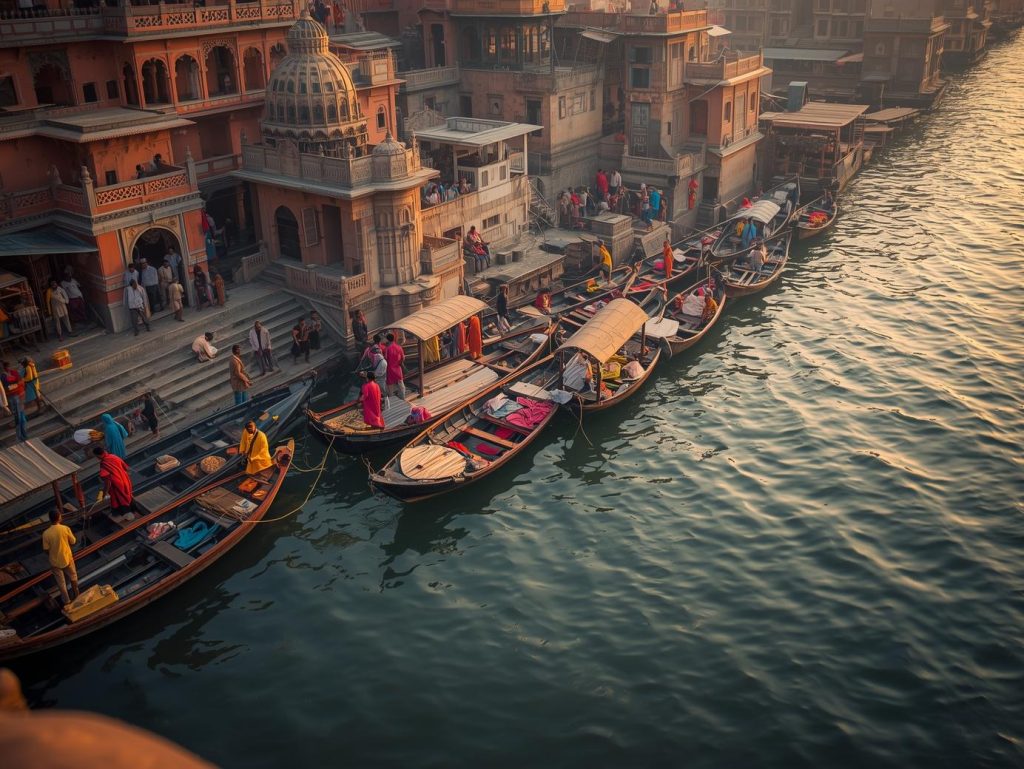 Varanasi is one of Hinduism’s most important sacred cities, with ghats, temples, cremation grounds and daily ritual life along the Ganges. Prayer, mourning, pilgrimage and ordinary city activity take place close together, which can make the riverfront emotionally intense for visitors. The experience is best understood through its living religious context rather than as a generic source of spiritual energy.
9. Glastonbury Tor, England
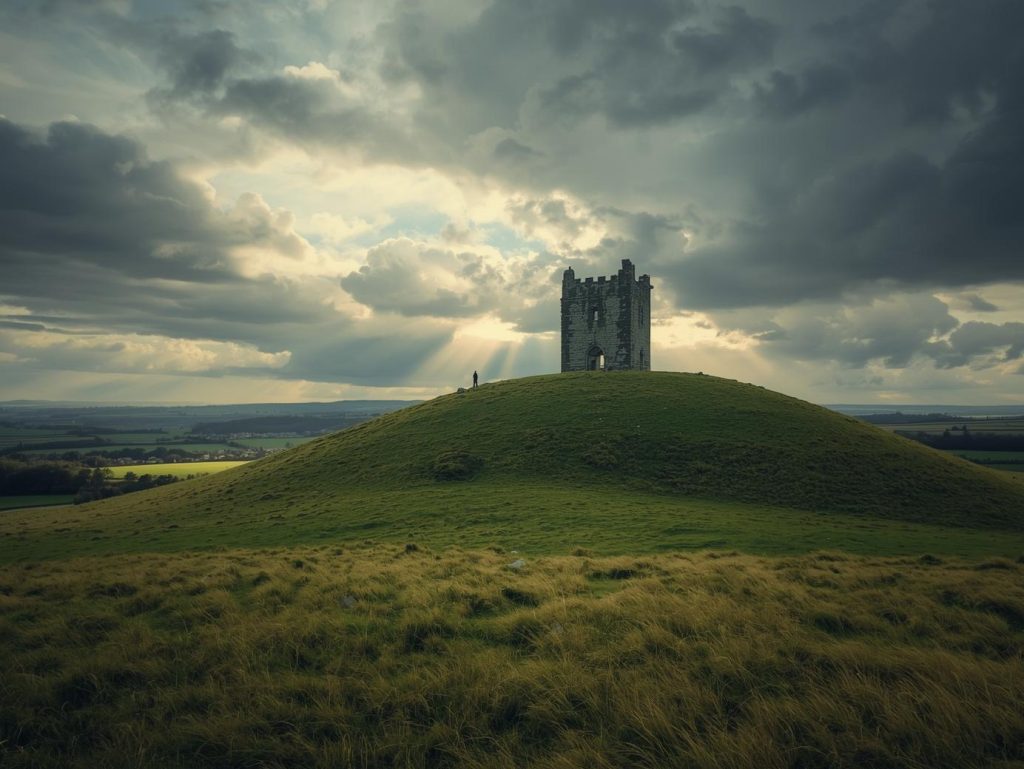 Glastonbury Tor is a prominent hill associated with Christian history, Arthurian legend and modern spiritual movements. Some visitors connect it with ley-line or earth-energy beliefs, while others value the landscape, ruins and cultural history. Claims that energy lines physically meet there are spiritual interpretations rather than established measurements.
10. Uluru (Ayers Rock), Australia
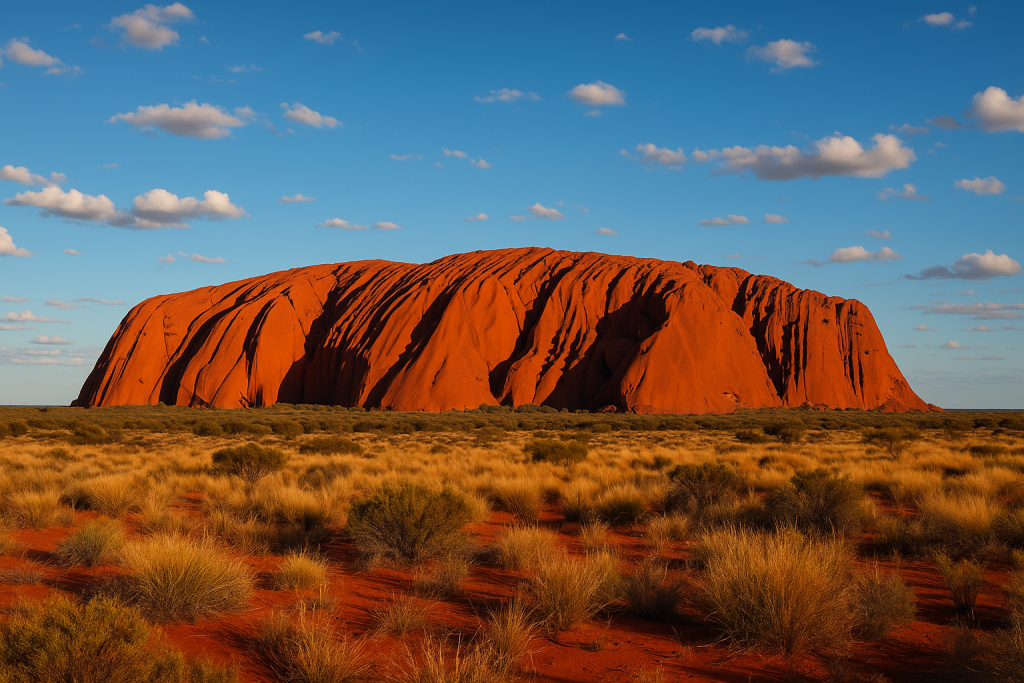 Uluru is deeply sacred to the Aṉangu people and is connected with Tjukurpa, the law, knowledge and creation traditions that guide relationships with the land. Visitors should follow Aṉangu guidance and park restrictions—including Parks Australia’s current guidance for culturally sensitive and sacred areas—rather than treating the site as a generic “energy vortex.” The changing light and immense desert landscape can inspire awe without proving a measurable spiritual force.
11. Mount Ōmine, Japan
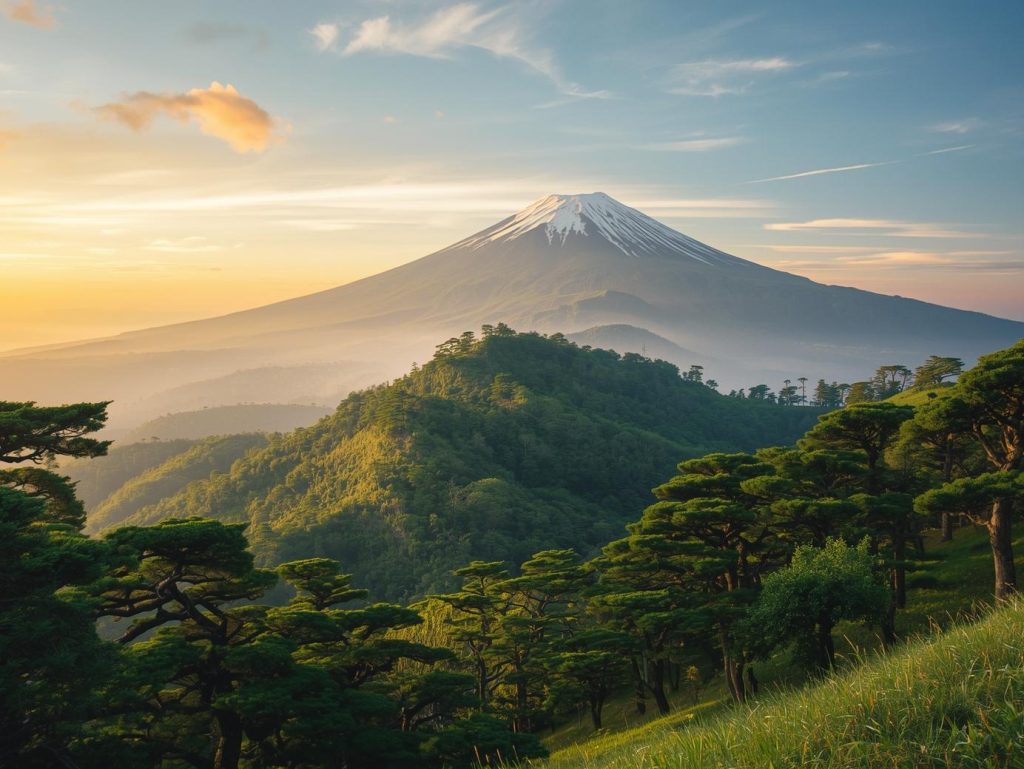 Mount Ōmine is associated with Shugendō mountain ascetic practice, where demanding pilgrimage routes and practices such as waterfall training may be used for religious discipline. The physical challenge, silence and ritual context can make the journey feel deeply reflective, but personal insight should not be described as something the mountain objectively reveals.
12. Lourdes, France
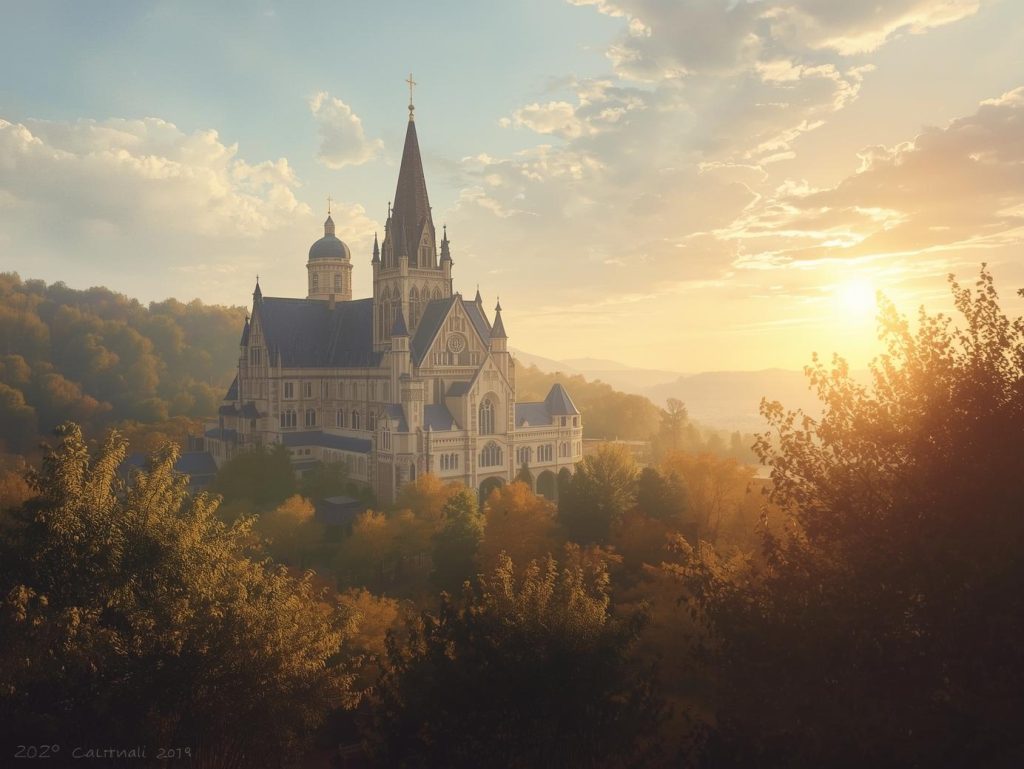 Lourdes is a major Catholic pilgrimage destination centered on the Sanctuary of Our Lady of Lourdes and the grotto associated with the reported apparitions of Bernadette Soubirous. Prayer, candlelight, processions and the spring are central to the devotional experience. Some pilgrims describe hope, comfort or strong emotion there; those responses are personal and should not be presented as guaranteed healing or proof of a supernatural event.
13. Mount Sinai, Egypt
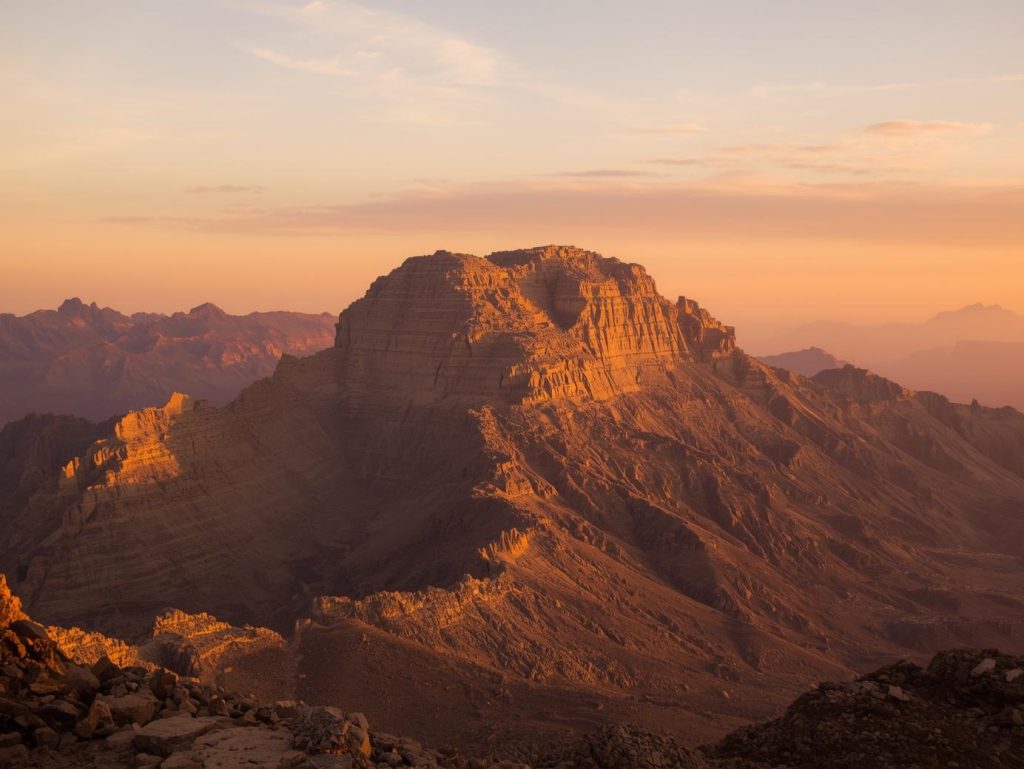 Mount Sinai is an important pilgrimage mountain in Jewish, Christian and Islamic traditions and is often climbed overnight for sunrise. The steep ascent, desert landscape and religious associations can make the experience contemplative or emotionally significant for visitors. Those reactions are personal and should not be described as a guaranteed spiritual transformation.
14. Delphi, Greece
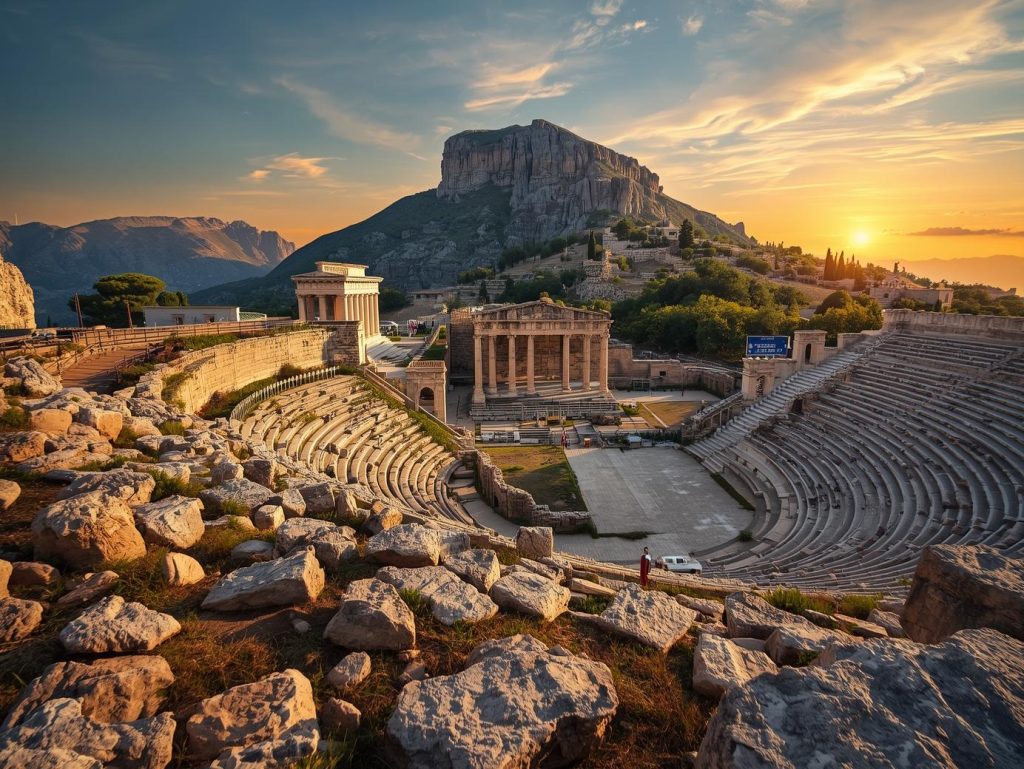 Delphi was one of the most important religious centers of the ancient Greek world and was famous for the oracle of Apollo. Its mountain setting, ruins and history can make the site feel unusually evocative. Sudden thoughts or strong impressions there can be personally meaningful, but they should not be presented as messages originating from the stones or an external presence.
15. Mauna Kea, Hawaii
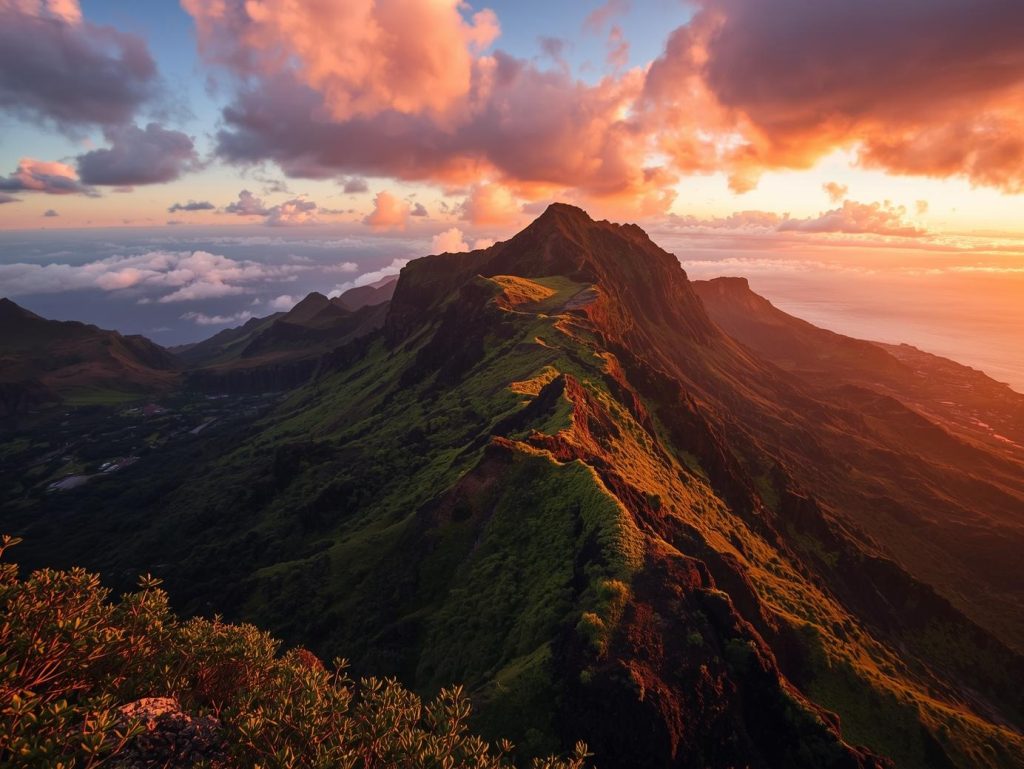 Mauna Kea has profound cultural and genealogical significance for Native Hawaiians and is also internationally important for astronomy. The Hawai‘i Department of Land and Natural Resources describes Maunakea as a sacred place in Hawaiian cultural tradition. The high elevation, cold, changing weather and expansive night sky can create a strong sense of awe. Visitors should follow current access guidance and approach the mountain through Native Hawaiian cultural context rather than vague claims that “locals” describe it as a generic spiritual portal.
16. Mount Athos, Greece
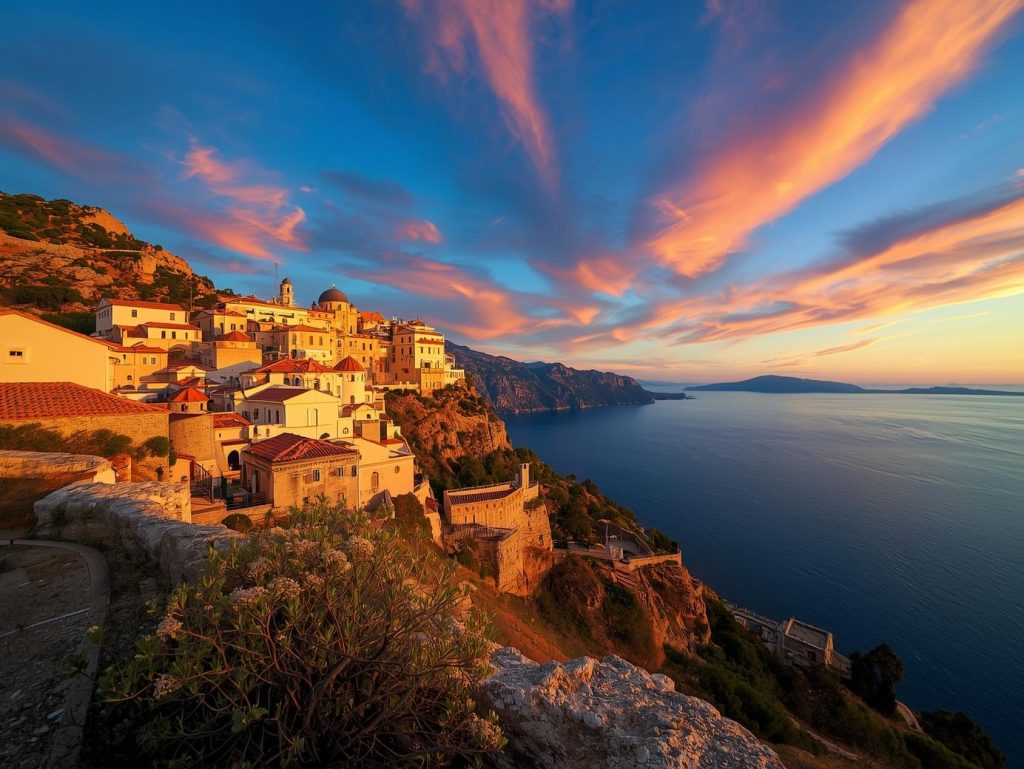 Mount Athos is an autonomous monastic region of Greece with centuries-old Eastern Orthodox communities, monasteries and pilgrimage traditions. Visitors may find the chanting, sea journey, architecture and disciplined religious setting contemplative, but calm or lasting personal transformation should be described as an individual response rather than a guaranteed effect of the place.
17. Lake Titicaca, Peru/Bolivia
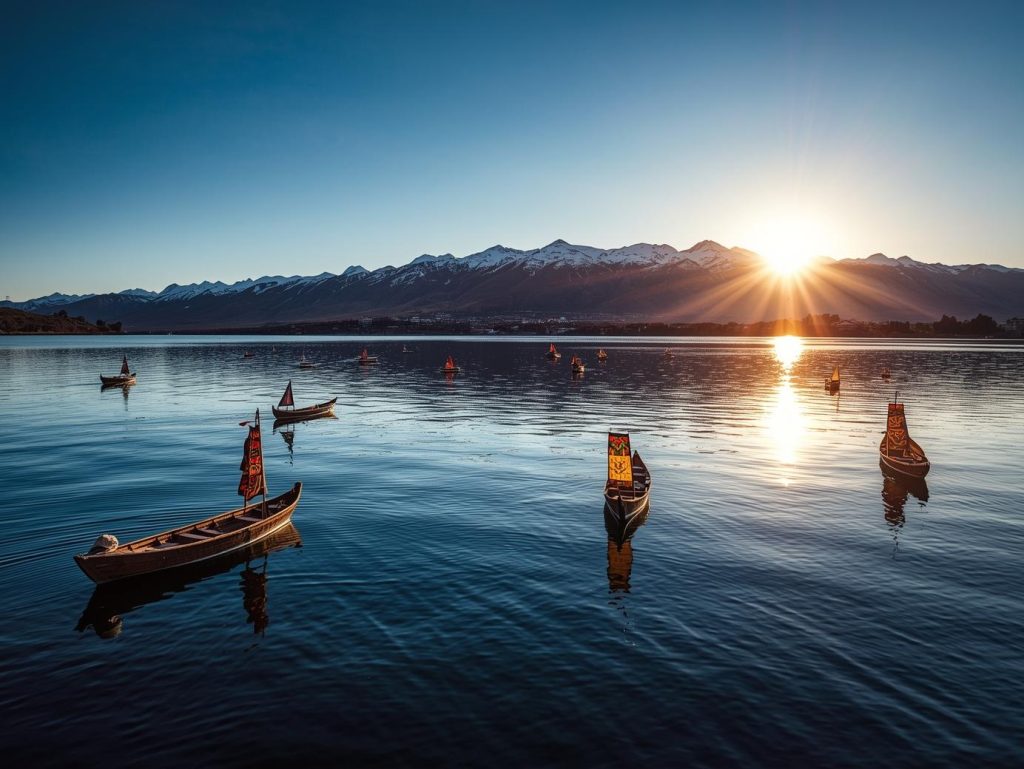 Lake Titicaca has deep cultural significance in Andean traditions and is associated with origin stories in the Inca world, including traditions connected with the sun. Its very high elevation, intense light and broad mountain landscape can also shape how visitors physically and emotionally experience the lake. Cultural stories should be identified as traditions rather than presented as literal geographic facts.
18. Mount Fuji, Japan
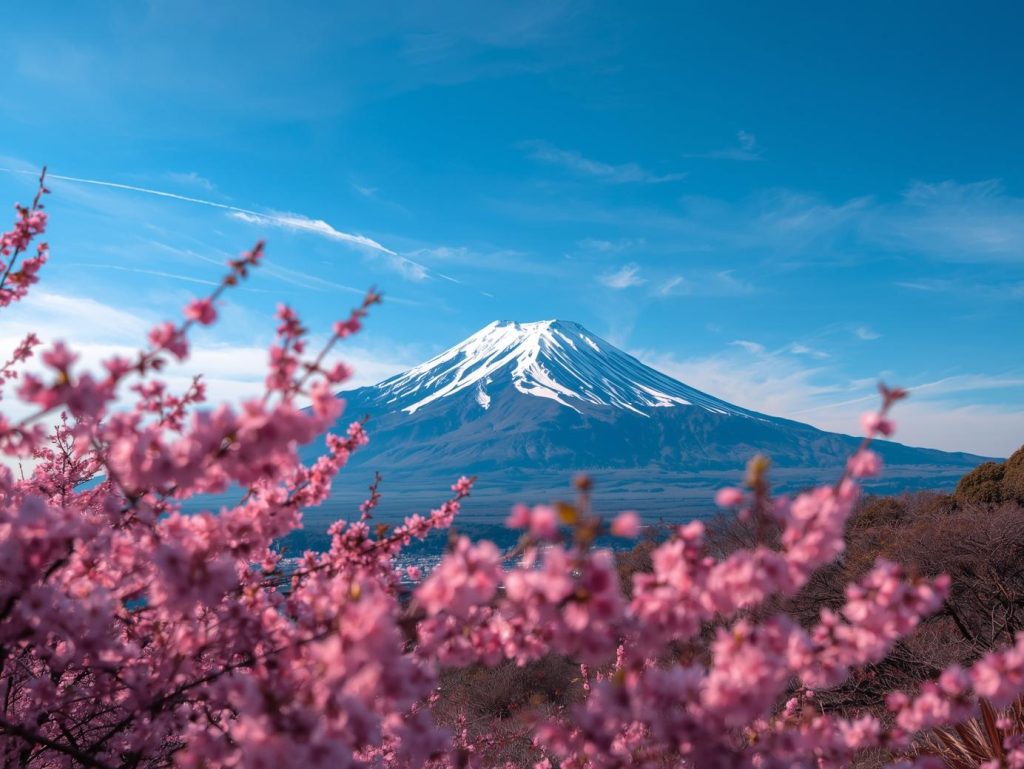 Mount Fuji has a long history of pilgrimage and religious significance alongside its modern role as a major climbing destination. Overnight ascents to see sunrise can involve cold, fatigue and thinner air at elevation. The climb may become a personal lesson in patience or endurance, but that meaning comes from the visitor’s experience rather than a message objectively delivered by the mountain.
19. Chichén Itzá, Mexico
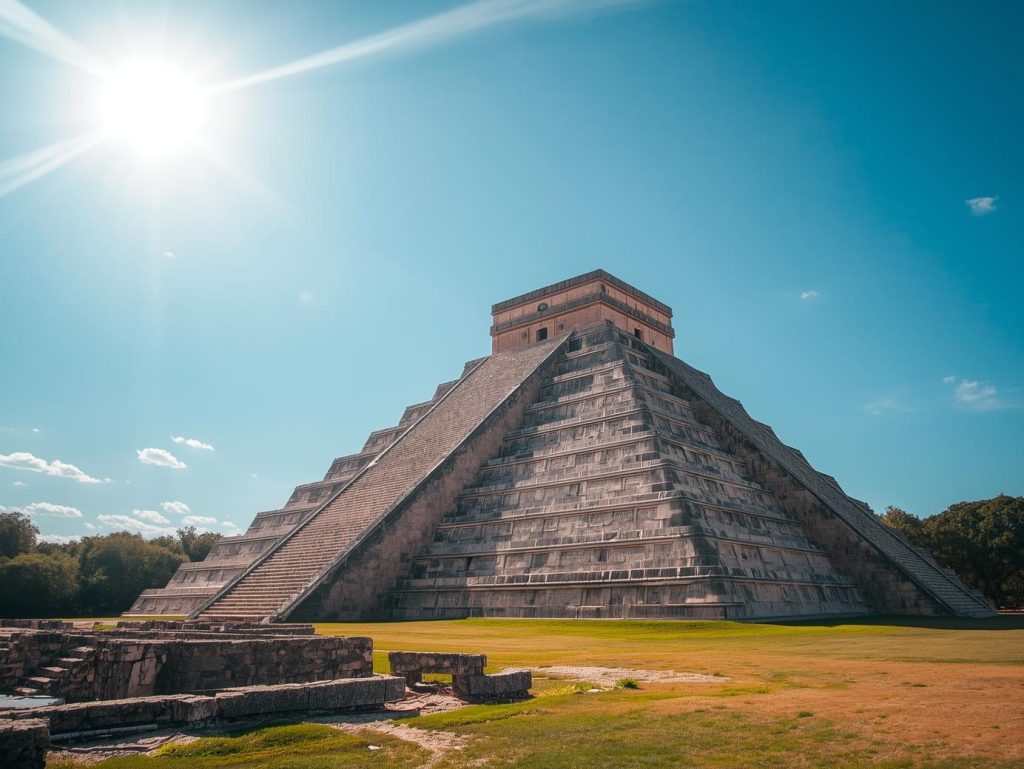 Chichén Itzá is a major Maya archaeological site whose architecture, calendar symbolism and changing light have inspired extensive interpretation. Around the equinox period, light and shadow on El Castillo can create a serpent-like visual effect along the stairway. The spectacle can inspire awe, but it should be discussed as an architectural and observational phenomenon rather than evidence that the structure is spiritually activating visitors.
20. Bali, Indonesia
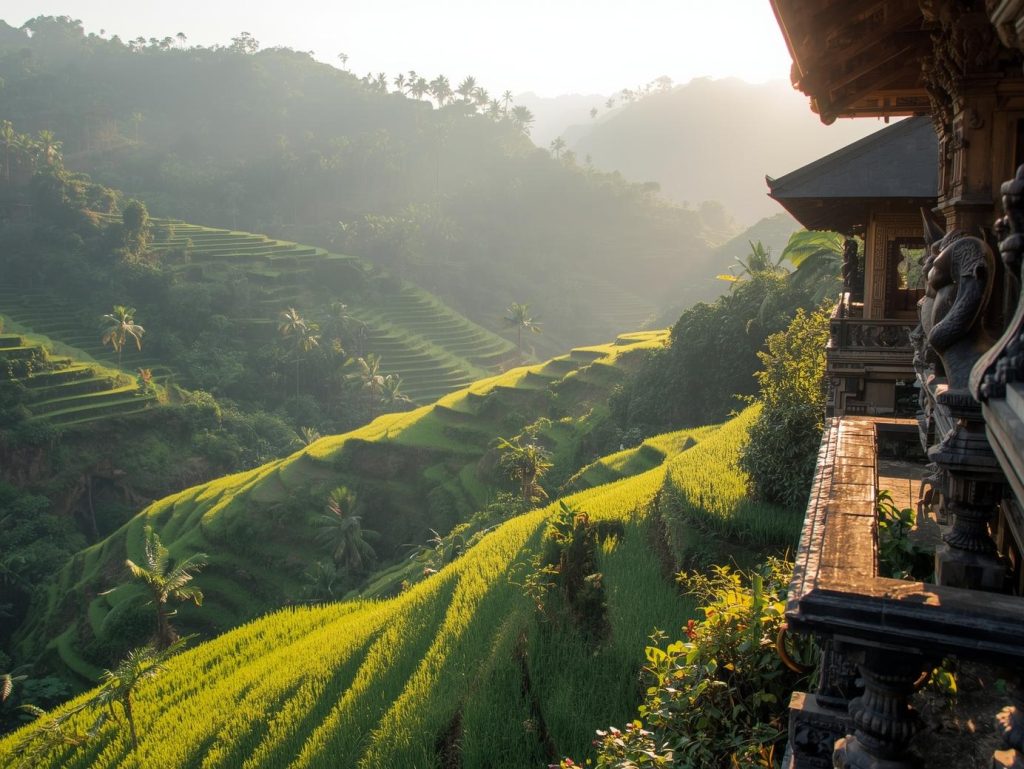 Bali is home to living Hindu traditions expressed through temples, family shrines, offerings, festivals and daily ritual. Visitors may experience the island as calm, devotional or emotionally restorative, but those reactions are personal. It is more accurate to learn from Balinese religious practice and local context than to describe the island as objectively filled with guidance or a measurable energy.
21. Angkor Wat, Cambodia
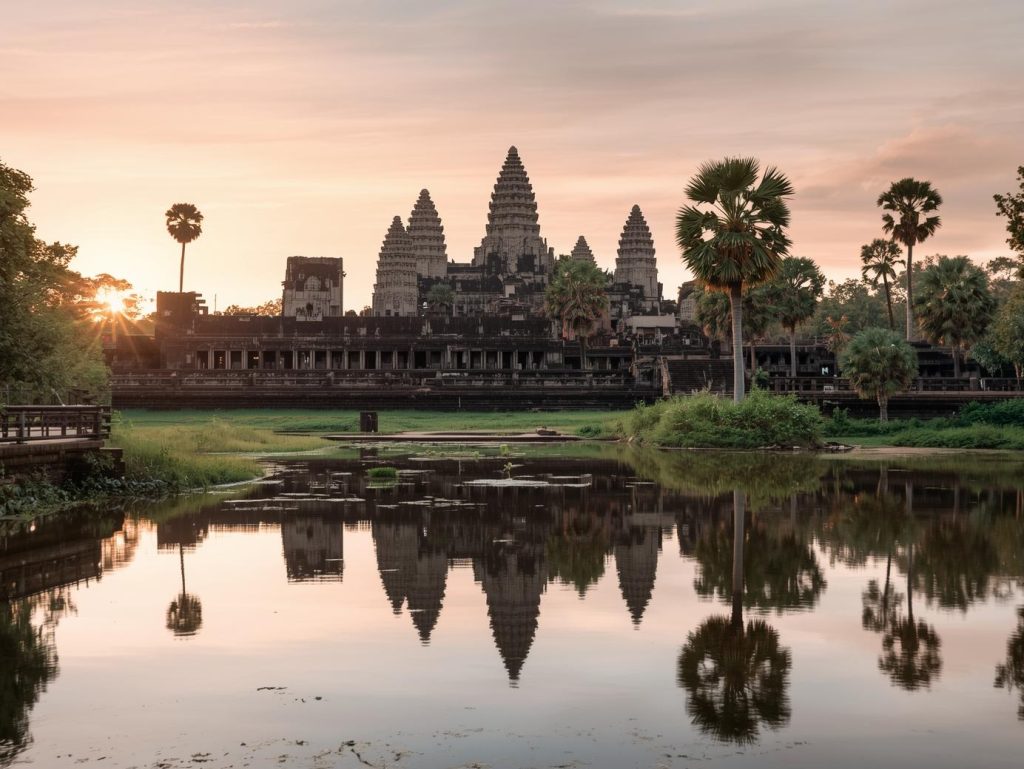 Angkor Wat is a major Khmer temple complex with deep historical and religious significance. Sunrise, scale, symmetry and stone reliefs can create a powerful sense of awe, and some visitors give that experience spiritual meaning. The feeling of familiarity or receiving a “message” is personal interpretation rather than evidence of past-life memory or communication from the site.
22. Bodh Gaya, India
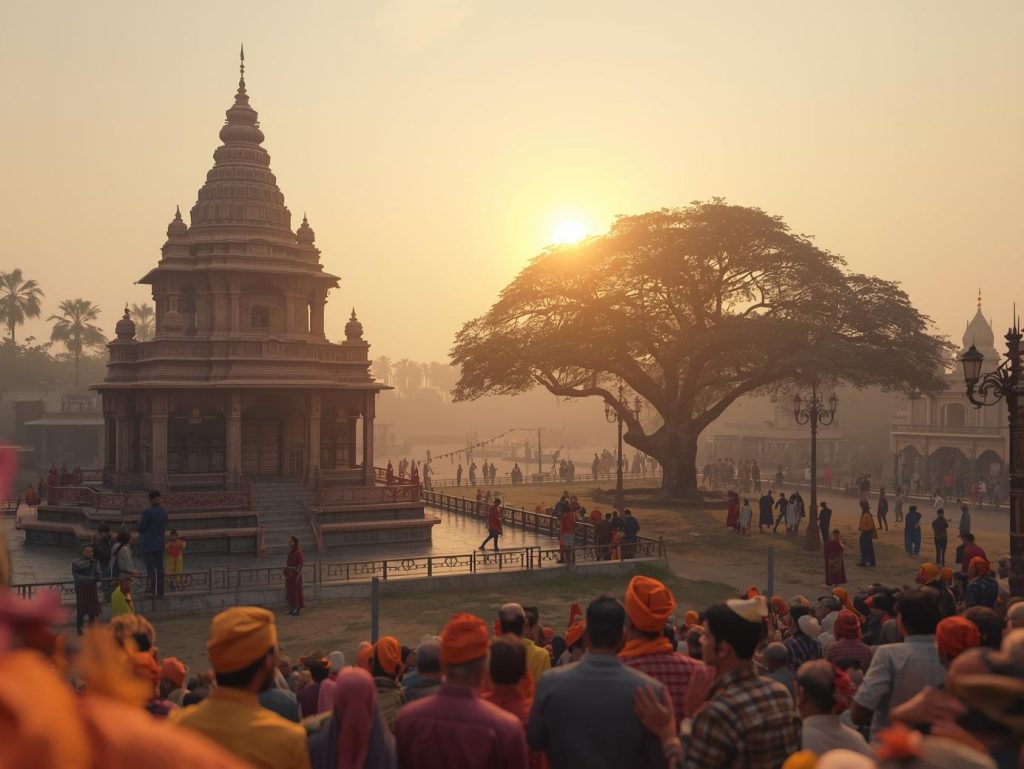 Bodh Gaya is one of Buddhism’s most important pilgrimage centers and is traditionally associated with the Buddha’s awakening beneath the Bodhi Tree. Prayer, meditation, chanting and the presence of pilgrims from many Buddhist traditions can make the setting feel contemplative. Visitors may experience calm or emotion there, but those responses vary and are not automatic effects of the location.
23. Chartres Cathedral, France
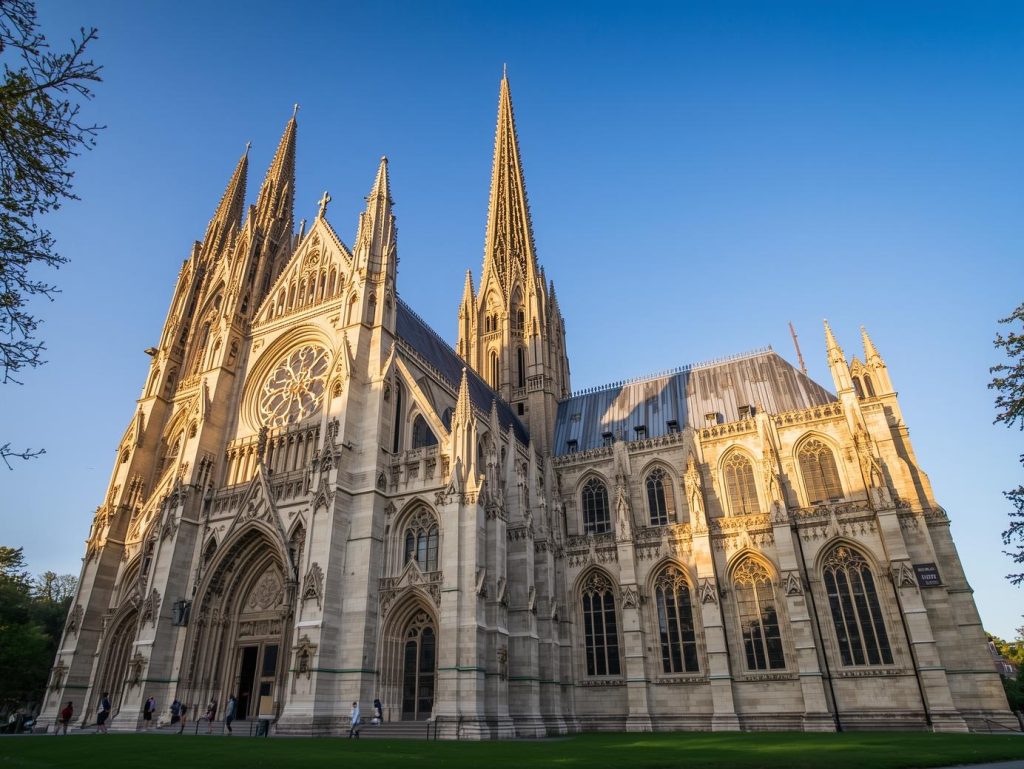 Chartres Cathedral is an active Christian sacred site known for its architecture, stained glass and historic labyrinth. Visitors may also use the space for quiet reflection, but its religious meaning should not be erased or reduced to a generic spiritual atmosphere.
24. Rishikesh, India
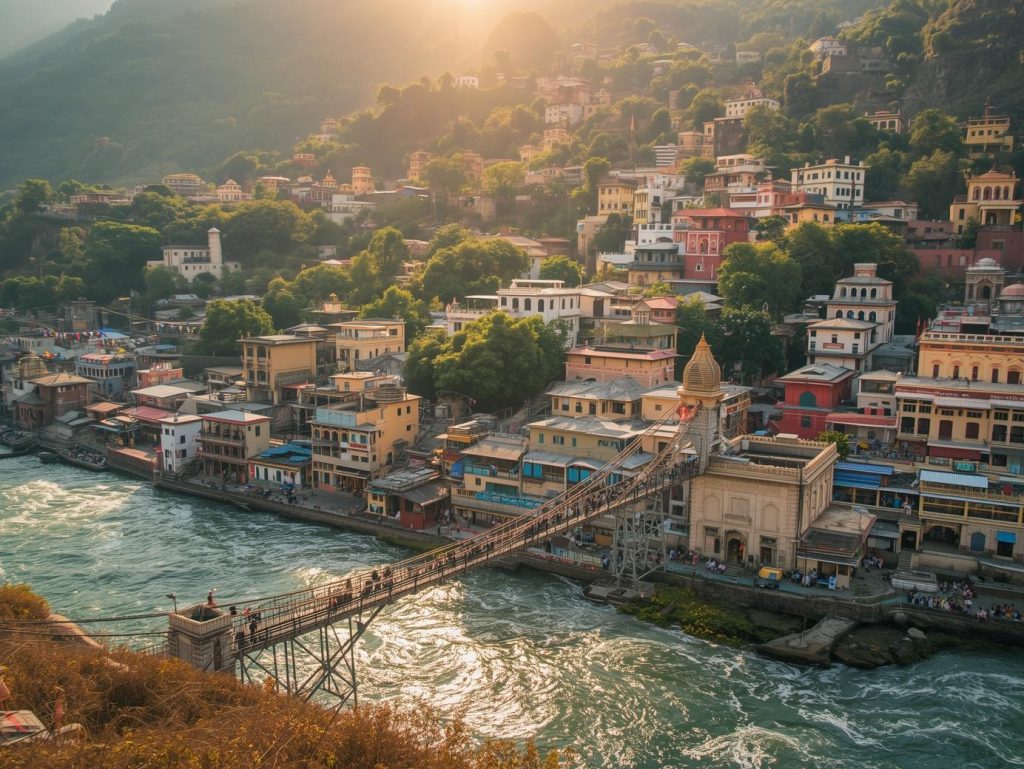 Rishikesh is a major center for yoga, Hindu pilgrimage and spiritual study along the Ganges. Ashrams, temples, river ceremonies and meditation practices shape the experience of the city. Some visitors report feeling calmer or more reflective, but those responses are personal and should not be presented as a guaranteed change in the body, mind or worries.
25. Mount Bromo, Indonesia
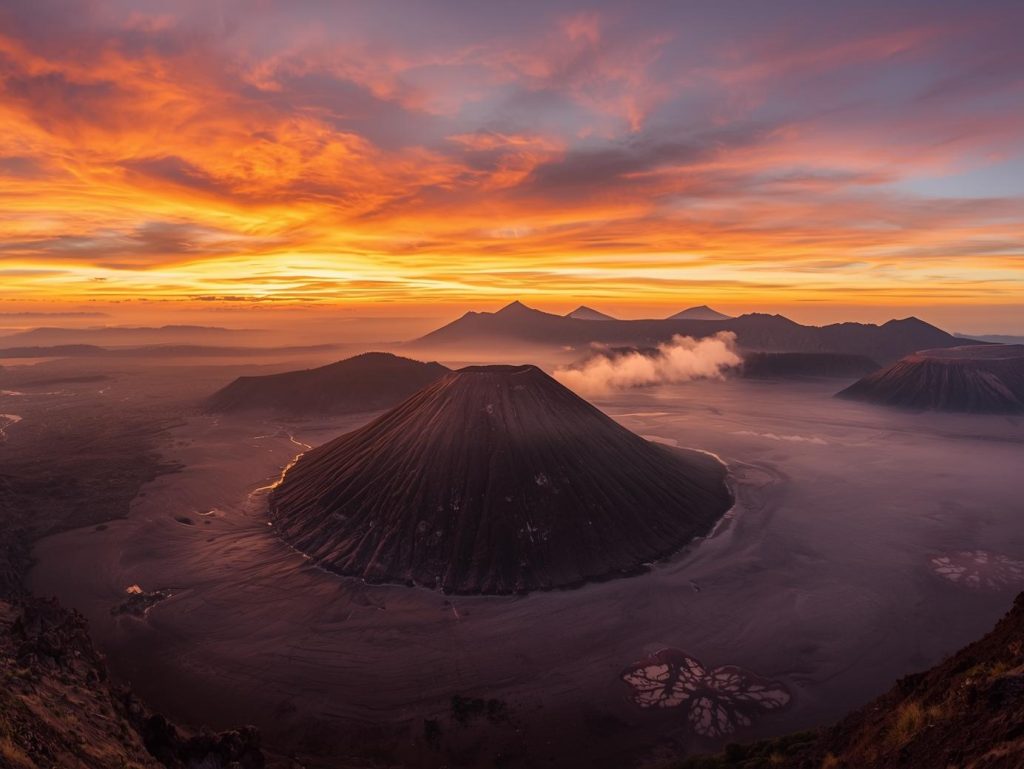 Mount Bromo is an active volcano in East Java and an important landscape in Tenggerese religious and cultural life. Sunrise views, volcanic activity, sulfurous air and the scale of the caldera can make the setting feel intense or awe-inspiring. Those reactions are understandable, but they should not be described as the planet communicating or transmitting a measurable spiritual force.
26. Delphi, Greece (Temple of Apollo)
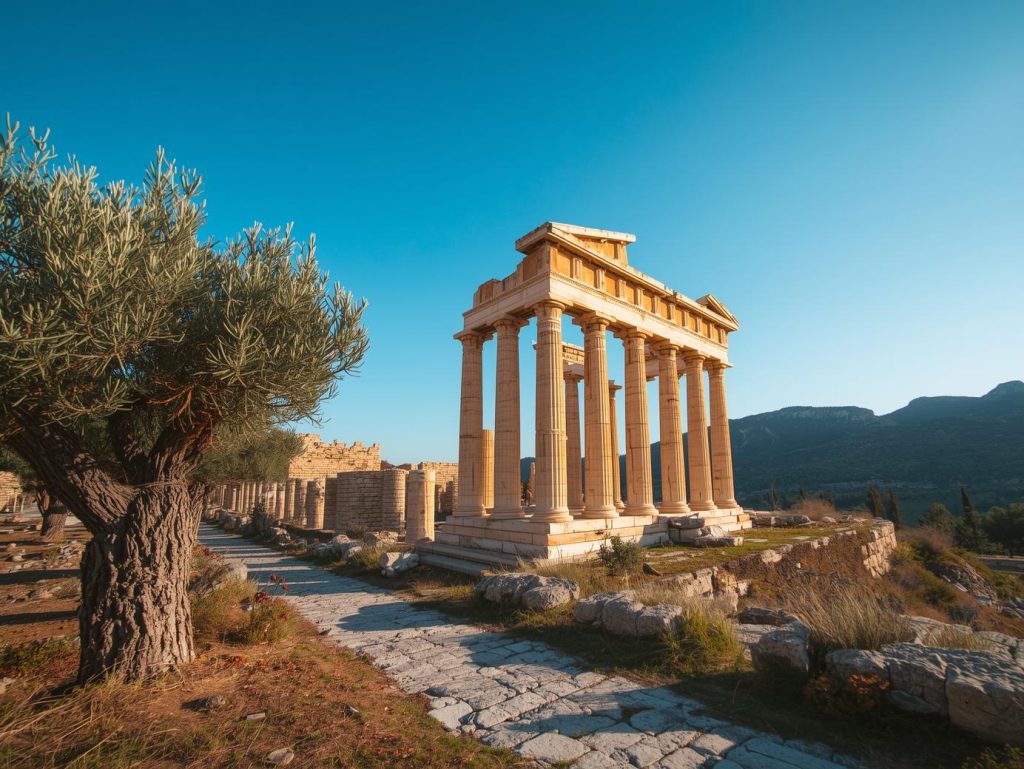 At the Temple of Apollo, altitude, wind, acoustics and the history of the ancient oracle can make the setting especially contemplative. Visitors may find that the quiet helps them reflect, but the environment should not be described as literally speaking or providing verified answers.
27. Borobudur, Indonesia
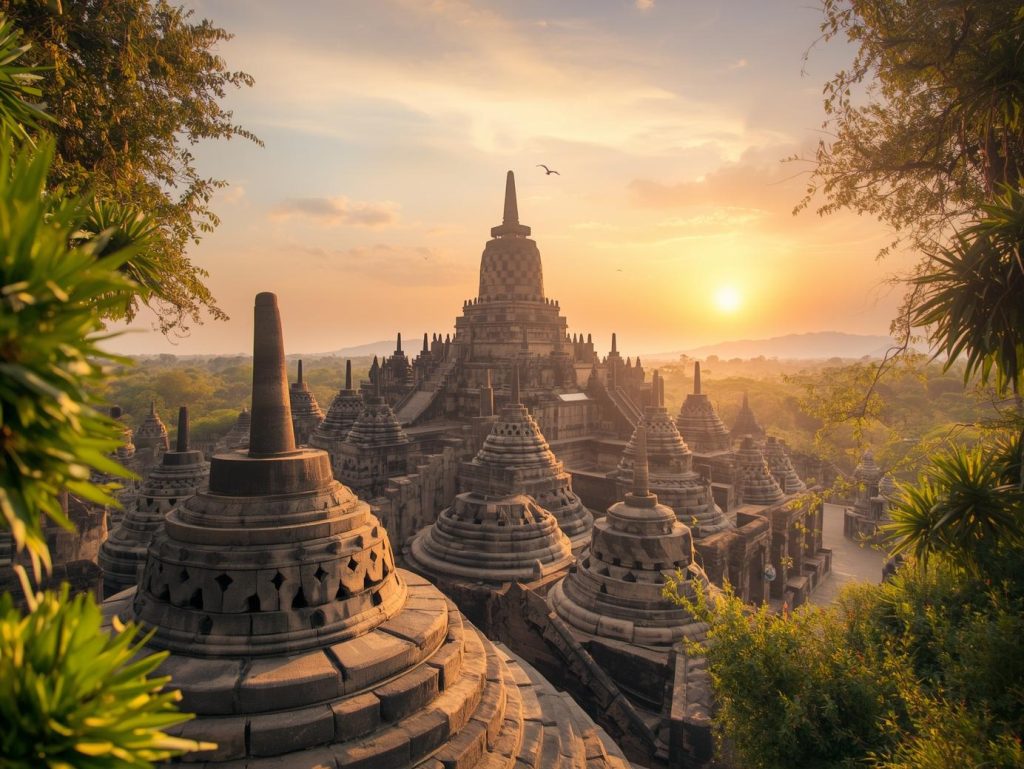 Borobudur is a monumental Buddhist temple complex whose terraces, reliefs and stupas are designed around a structured religious journey through the monument. Sunrise and the surrounding volcanic landscape can make a visit especially contemplative, but visitors’ emotional responses vary. The site’s significance is best grounded in its Buddhist history, architecture and pilgrimage traditions rather than universal claims about what people feel there.
28. Montserrat, Spain
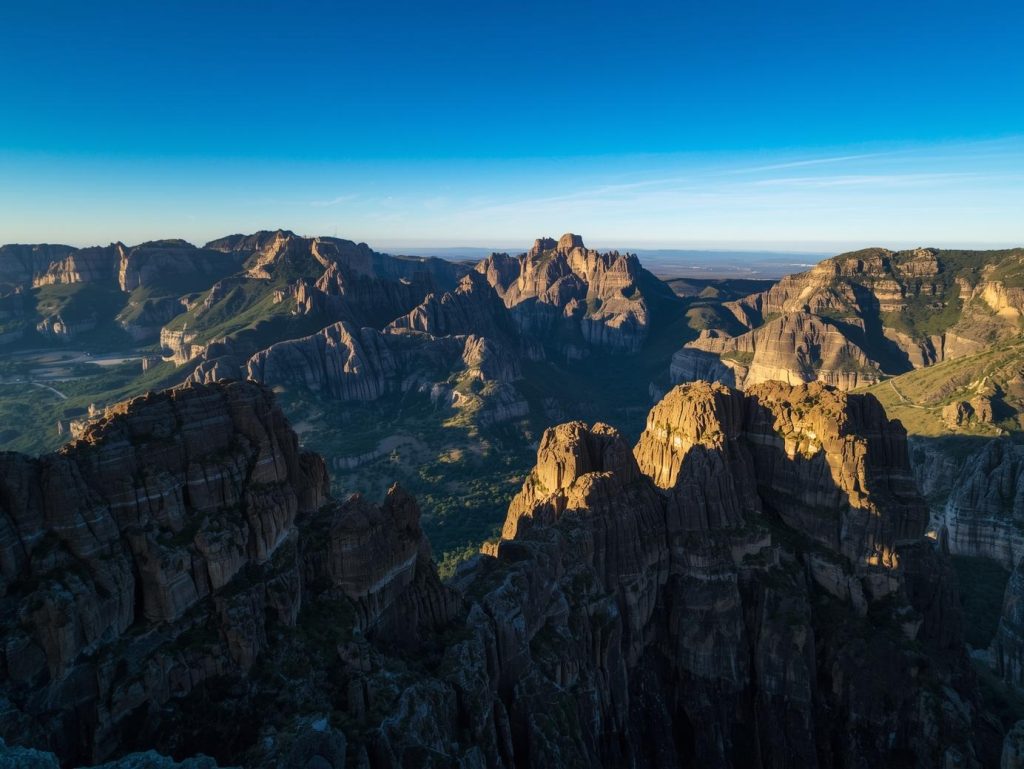 Montserrat’s distinctive rock formations, mountain chapels and Benedictine sanctuary create a dramatic pilgrimage setting. Inside the basilica, the revered Black Madonna and candlelit devotional space can be emotionally moving for visitors. Feelings of relief, awe or chest tightness are personal responses and should not be described as the mountain literally removing worries.
29. Sarnath, India
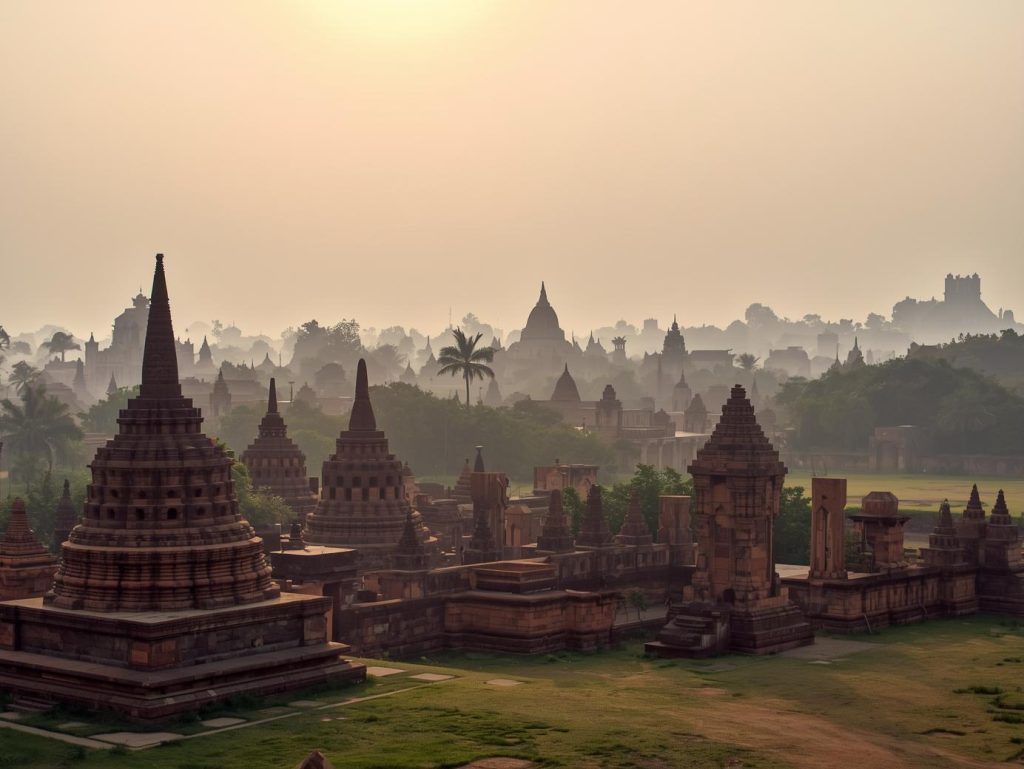 Sarnath is one of Buddhism’s most important pilgrimage sites and is traditionally associated with the Buddha’s first teaching after awakening. Visitors may experience quiet, devotion or clarity there, especially when they understand the site’s religious history. The place should not be described as automatically delivering “truth” or a guaranteed spiritual effect.
30. Lhasa and the Potala Palace, Tibet
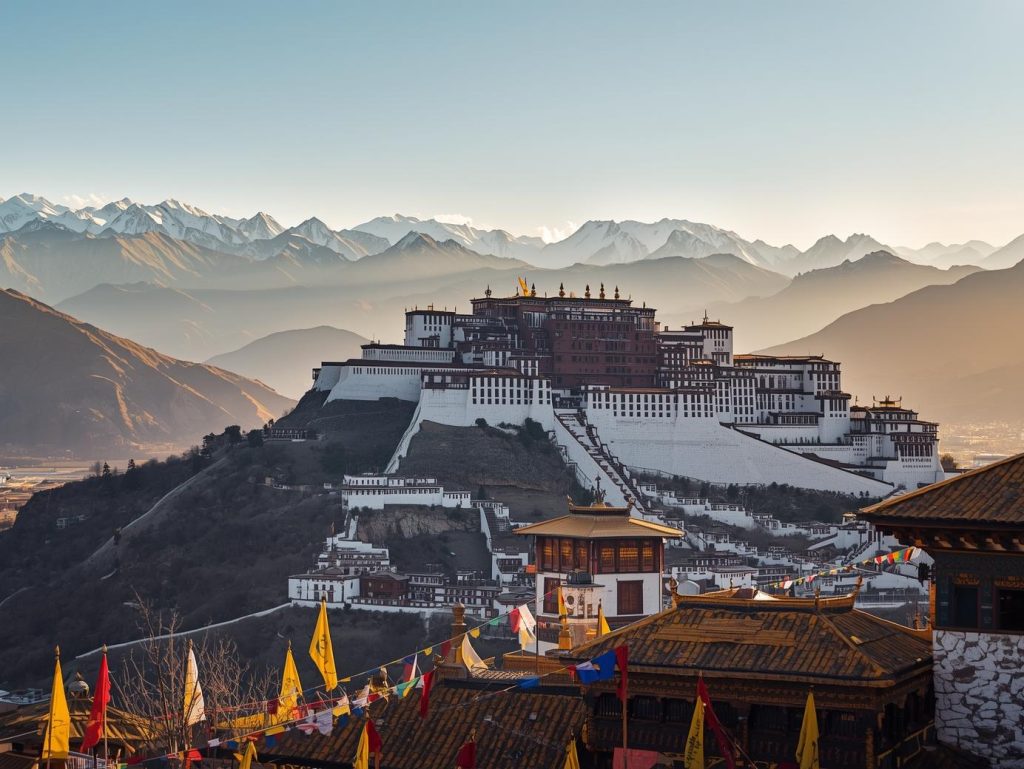 Lhasa and the Potala Palace are central to Tibetan Buddhist history and sit at very high elevation, where exertion can cause breathlessness and fatigue. The palace’s architecture, religious history and devotional associations can make a visit deeply affecting for some people. Those responses are personal and should not be described as a guaranteed spiritual state.
31. Mount Wutai, China
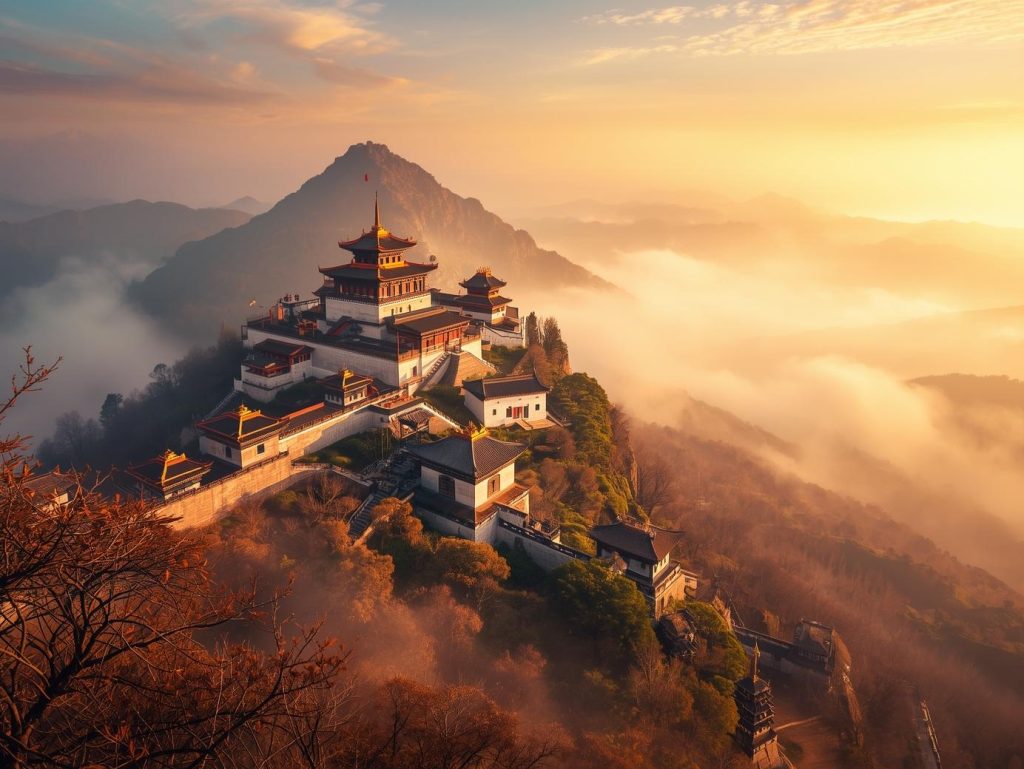 Mount Wutai is one of Chinese Buddhism’s major sacred mountain traditions and is associated with temples dedicated to Manjushri. Mountain weather, monastic architecture, bells, incense and pilgrimage can create a contemplative atmosphere. Any sense of mental clarity is an individual response rather than an automatic effect produced by the mountain.
32. Mount Sinai and St. Catherine’s Monastery, Egypt
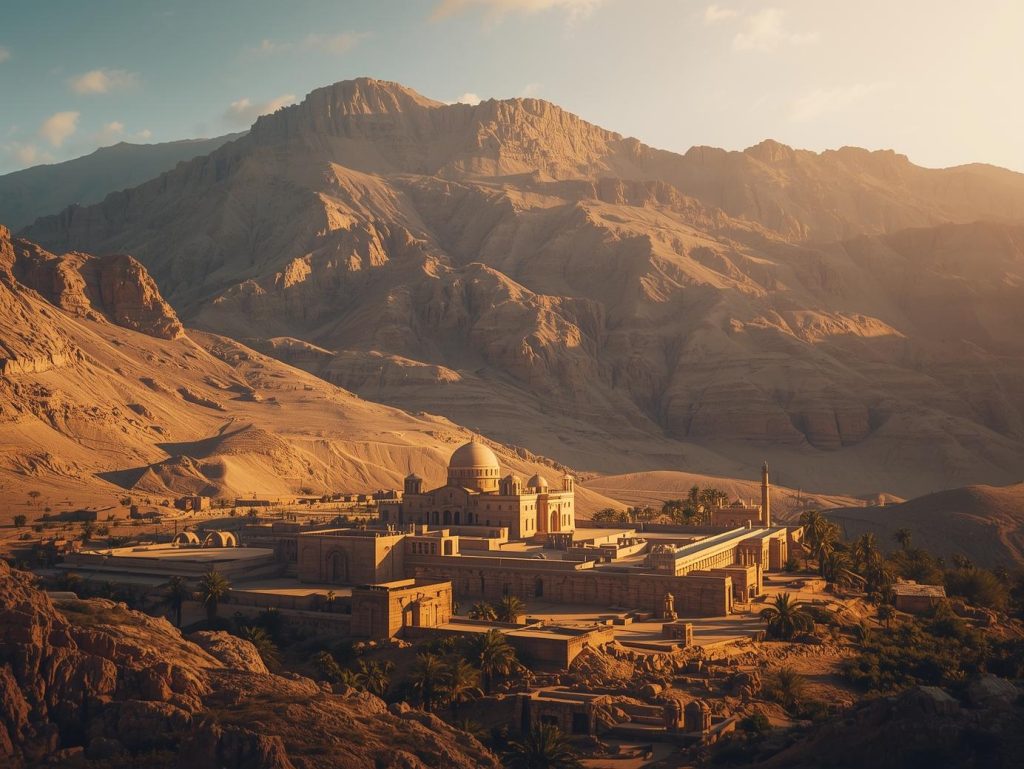 Mount Sinai and St. Catherine’s Monastery form an important religious and pilgrimage landscape associated with Jewish, Christian and Islamic traditions. Many visitors climb before sunrise, combining physical effort, desert conditions and devotional context. The experience may feel renewing or contemplative, but those reactions vary and should not be presented as a universal spiritual effect.
33. Uluru – Kata Tjuta Park, Australia
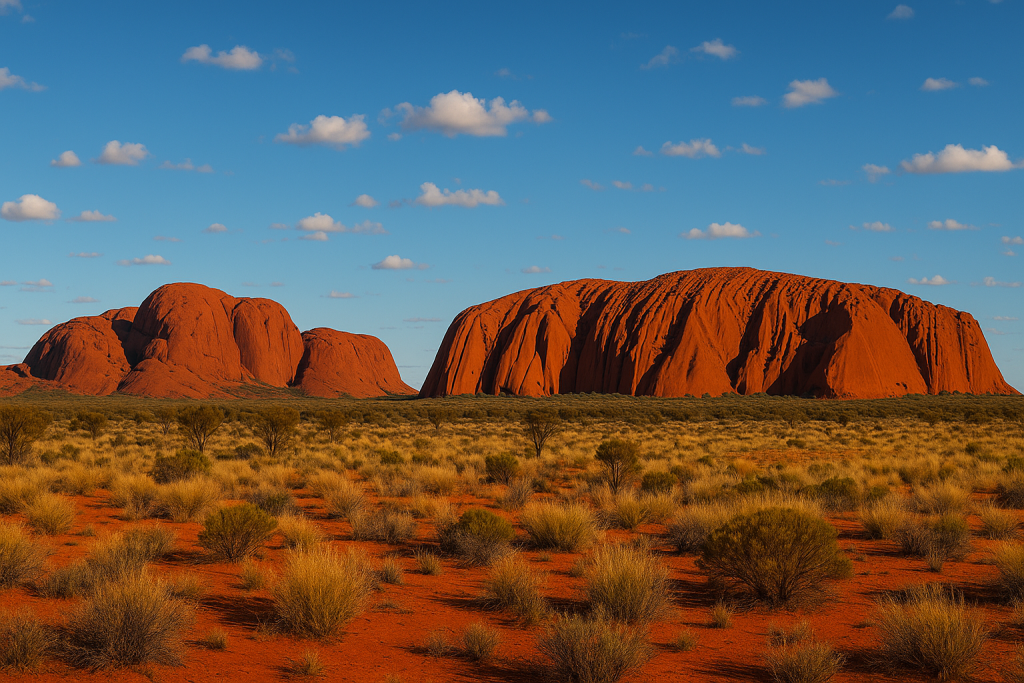 Uluru–Kata Tjuta is a living cultural landscape of profound importance to Aṉangu, whose Tjukurpa connects law, story, ceremony, kinship and Country. Visitors should rely on Aṉangu and park guidance rather than vague statements about what “locals say.” The scale, color and desert environment can be emotionally powerful without being described as a generic energy field.
34. Bayon Temple, Cambodia
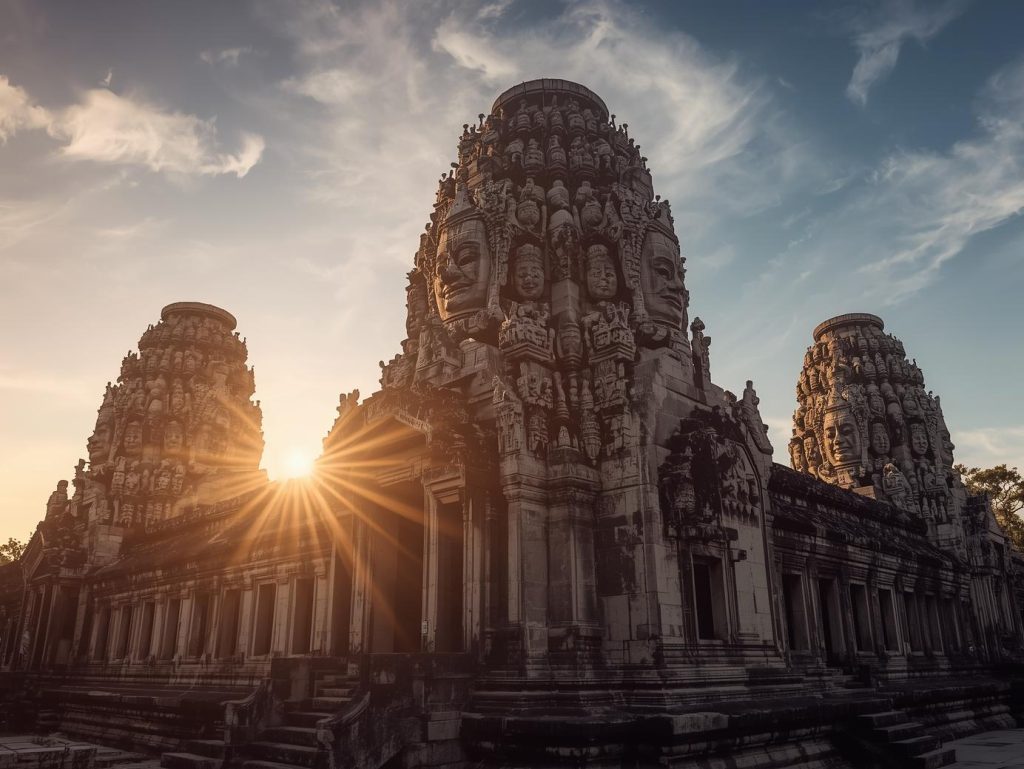 Bayon Temple is known for its monumental face towers and its place within the Angkor complex. The scale, carved expressions and enclosed passages can create a strong sense of presence for visitors, but that response is psychological and interpretive rather than evidence that the temple is literally observing or communicating.
35. Isla del Sol, Bolivia
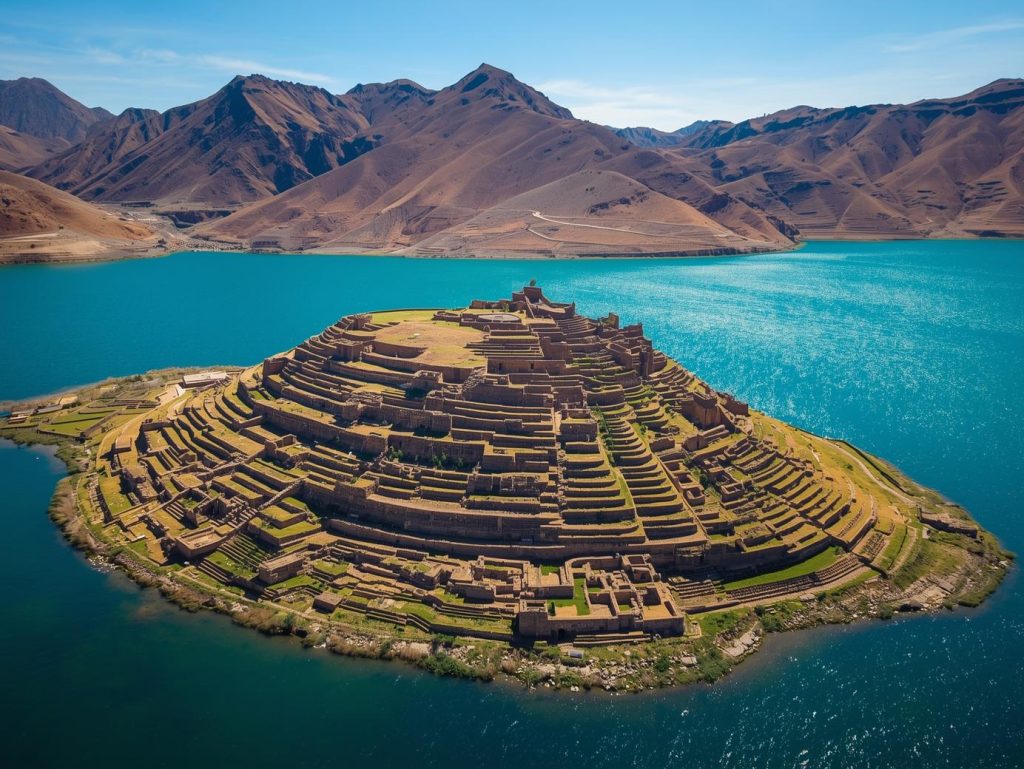 Isla del Sol is an island in Lake Titicaca with major importance in Andean and Inca traditions, including origin narratives associated with the sun. Its high elevation, bright light, archaeological remains and lake setting can be memorable or emotionally significant. Those reactions are personal and should not be presented as a guaranteed transformation.
36. Mount Arunachala, India
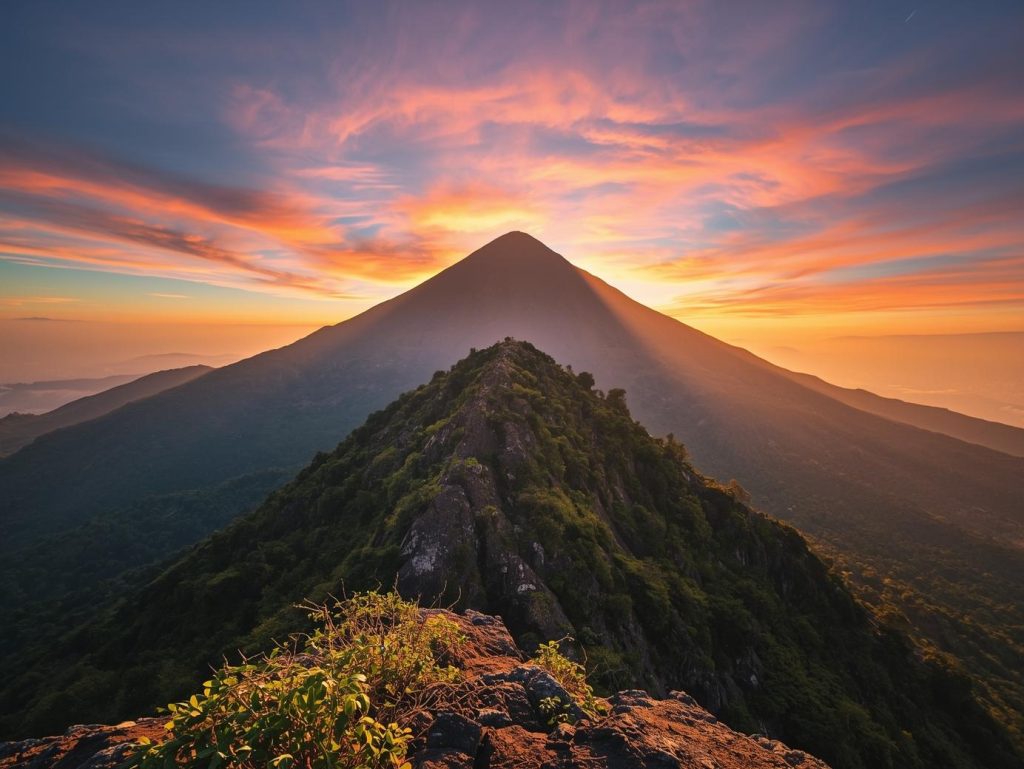 Mount Arunachala is sacred in Shaiva Hindu traditions, and many devotees perform girivalam, the circumambulation of the mountain, as a religious practice. Walking, prayer, chanting and the pilgrimage setting may support reflection or a sense of release for some visitors, but those emotional effects vary from person to person.
37. Chartres Crypt and Well, France
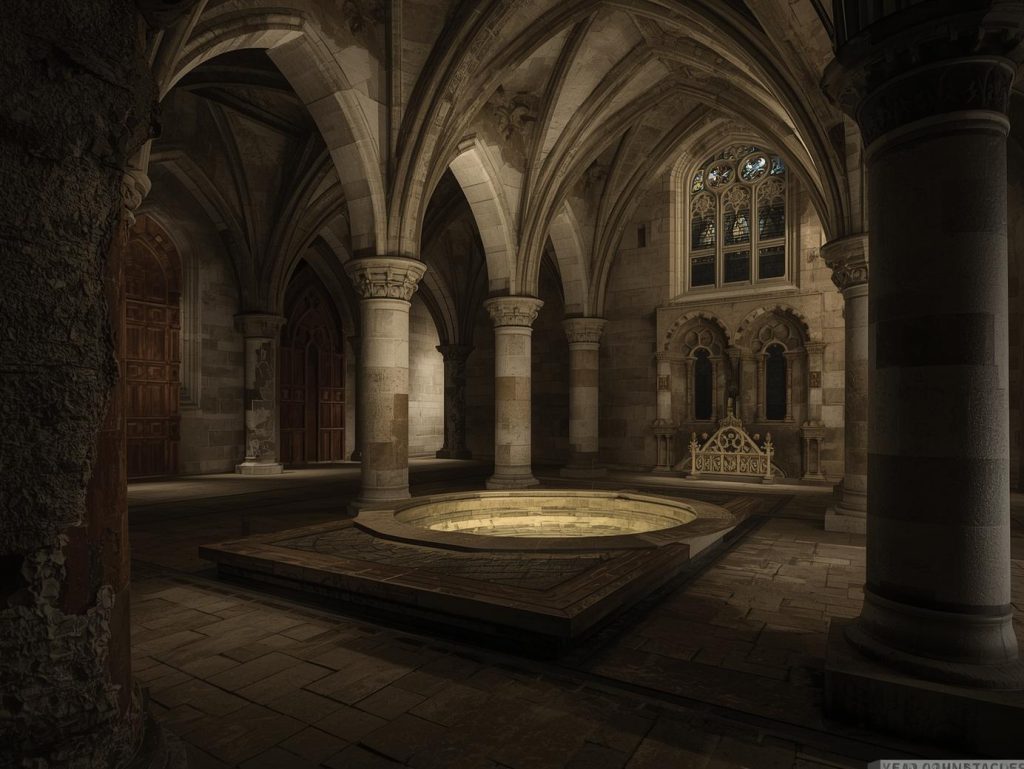 The crypt beneath Chartres Cathedral contains early architectural remains, chapels and a historic well within the cathedral complex. Its dim stone spaces contrast strongly with the light and stained glass above, which can make the transition emotionally striking. That atmosphere is part of the visitor experience rather than evidence of an underground energy source.
38. Mount Tabor, Israel
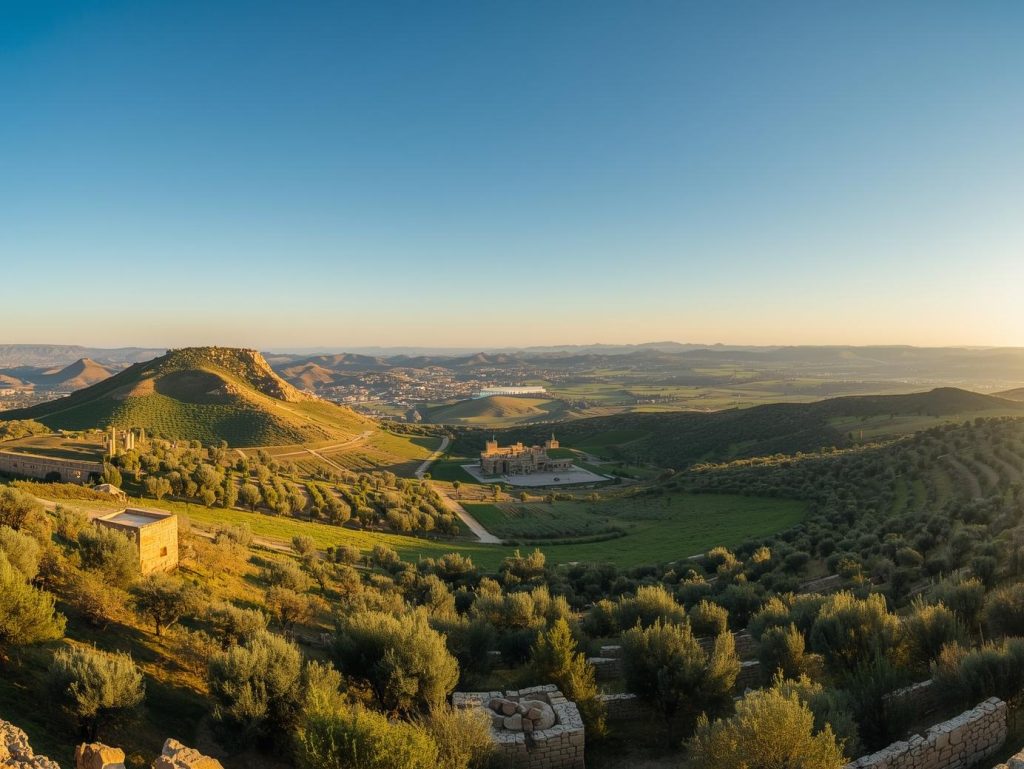 Mount Tabor is associated in Christian tradition with the Transfiguration and contains important pilgrimage churches. The elevated setting, quiet and religious context can feel contemplative, but emotional or spiritual responses differ among visitors and should not be described as an automatic inner opening.
39. Göbekli Tepe, Turkey
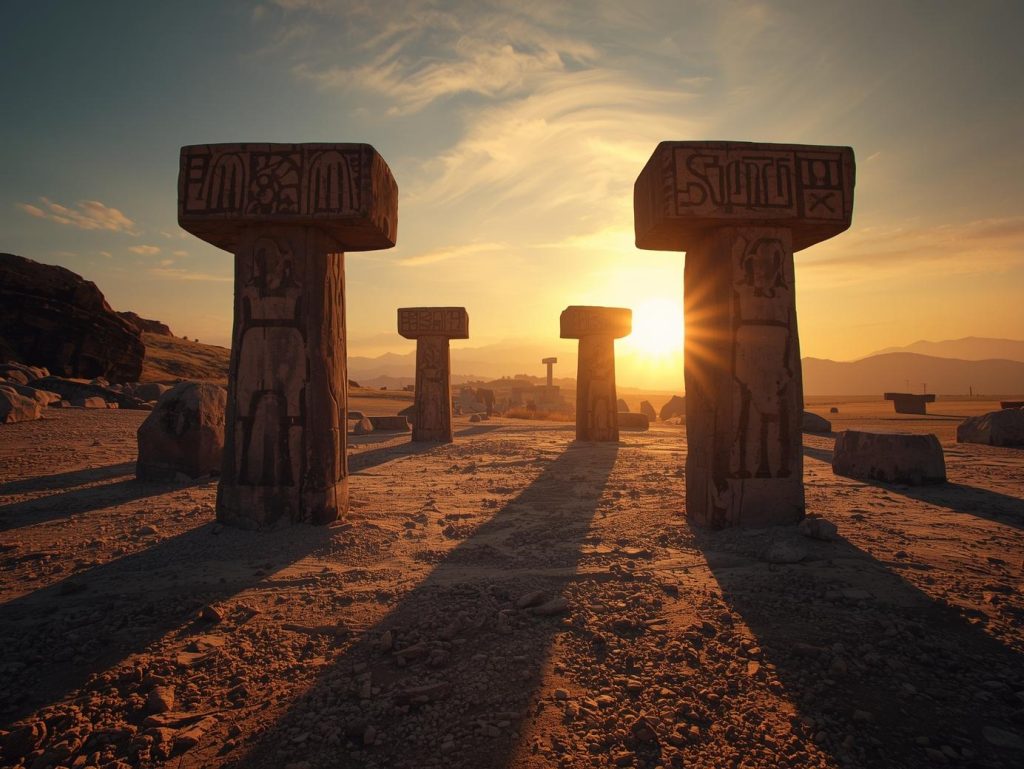 Göbekli Tepe contains monumental carved stone pillars dating to the early Neolithic period and is important to archaeology because of its age and complex construction. The open landscape and animal carvings can inspire awe, but ideas of protection, prayer or spiritual purpose should be presented as interpretation rather than established facts about how every part of the site was used.
40. Mont Saint-Michel, France
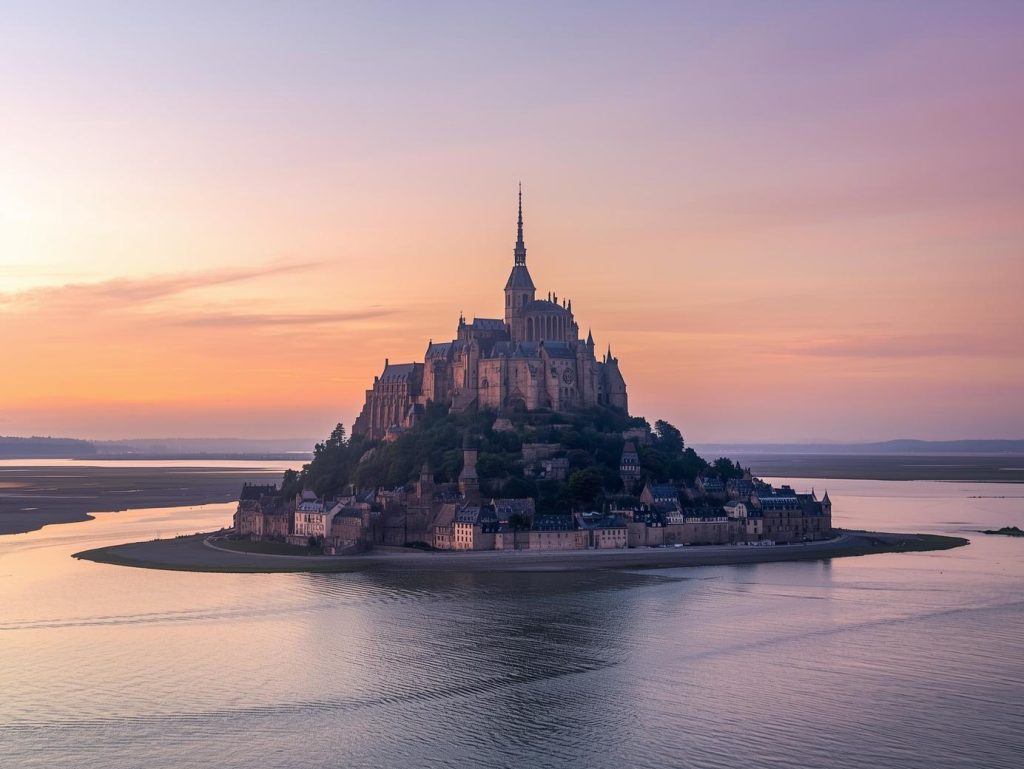 Mont Saint-Michel is a historic abbey and pilgrimage site shaped visually and physically by dramatic tides. The changing shoreline, steep lanes, medieval architecture and monastic history can make a visit feel contemplative or timeless. Those impressions are personal responses to the setting rather than evidence that the tides create a spiritual field.
41. Mount Taranaki, New Zealand
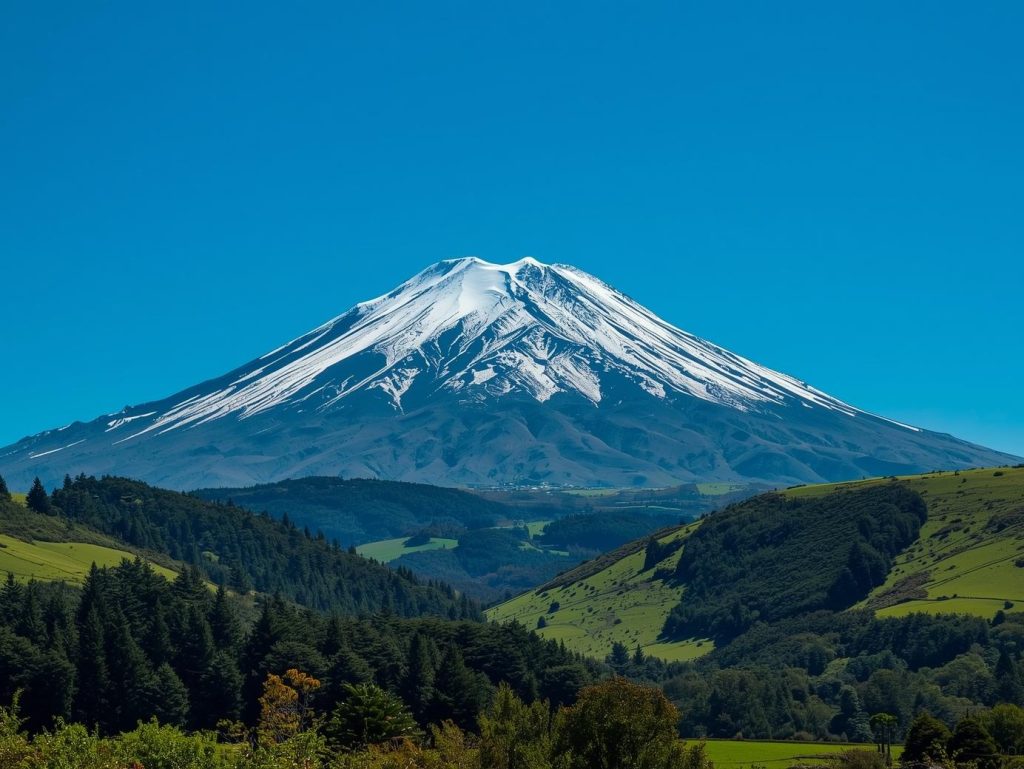 Mount Taranaki has deep cultural significance for Māori iwi connected with the mountain, and visitors should approach that relationship through local names, histories and guidance rather than generic spiritual labels. The mountain’s striking isolation and changing cloud can inspire awe or quiet reflection, but those reactions are personal.
42. Lalibela, Ethiopia
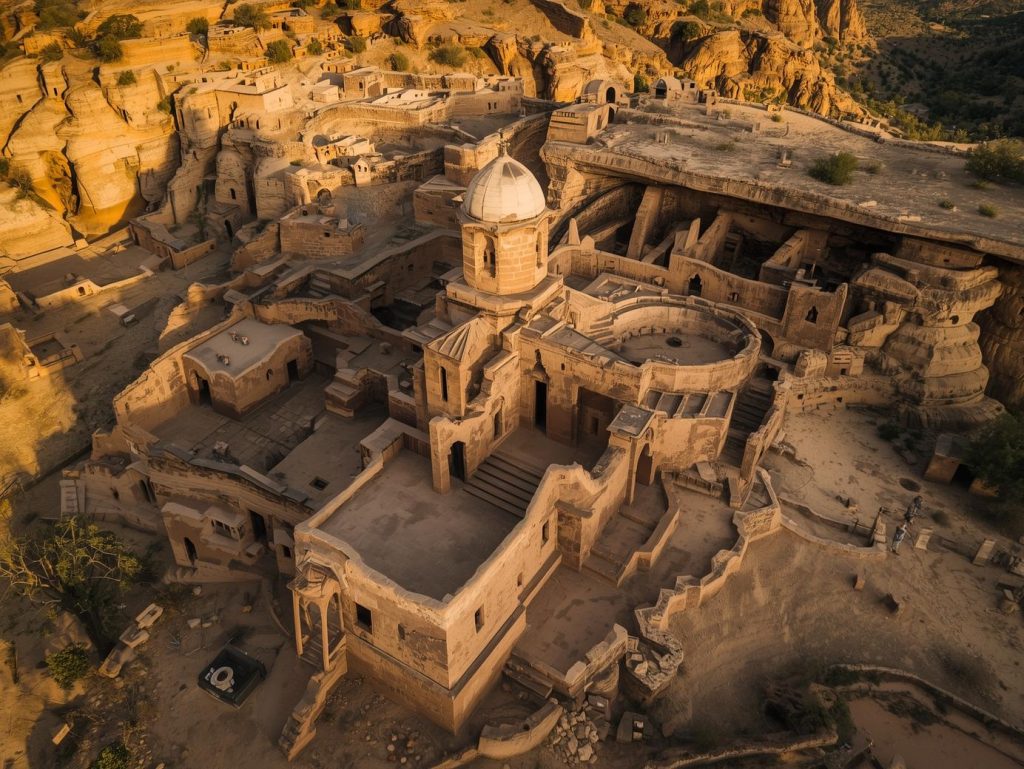 Lalibela is known for its medieval rock-hewn churches and remains an important center of Ethiopian Orthodox Christian worship and pilgrimage. Moving through the carved passages, churches and devotional spaces can be deeply affecting, but the site is best described through its living religious tradition and architecture rather than as a literal entrance into the planet’s heart.
43. Mount Koya, Japan
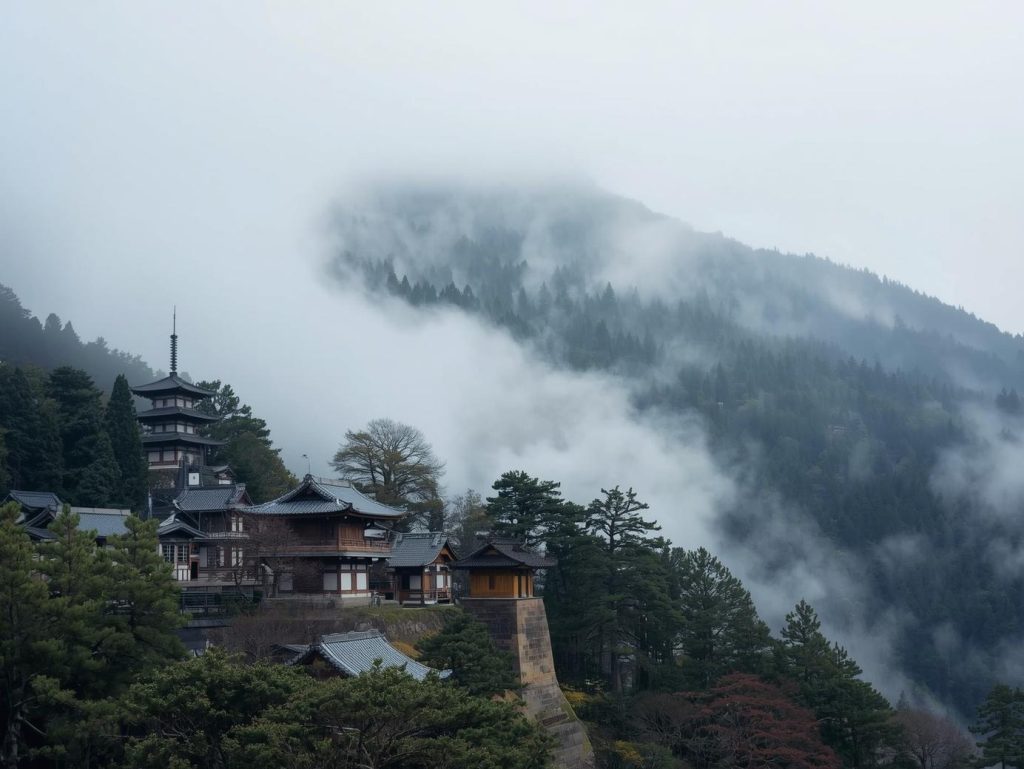 Mount Kōya is a major center of Shingon Buddhism, with temples, monastic lodging and the Okunoin cemetery set among tall cedar trees. Chanting, lanterns and overnight temple stays can create a contemplative atmosphere, but visitors’ dreams or inner experiences vary and should not be presented as a predictable effect of staying there.
44. Petra, Jordan
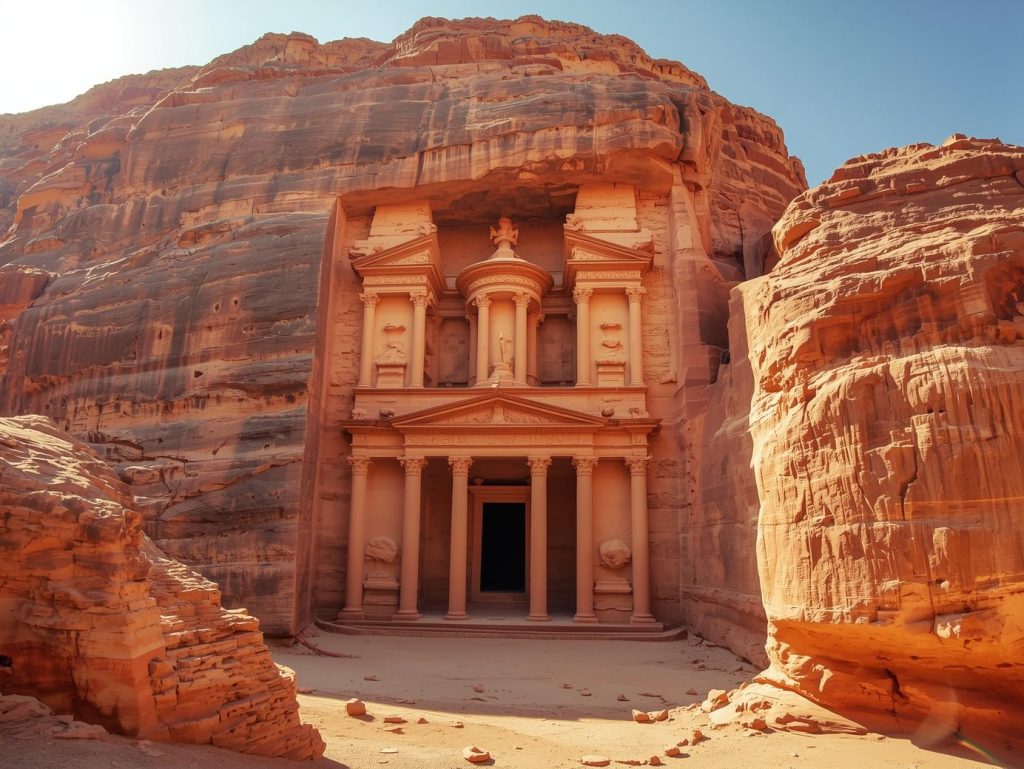 Petra’s approach through the Siq opens dramatically onto the Treasury and is one of the site’s most memorable architectural experiences. The scale, color and sudden reveal can create a strong sense of familiarity or awe, but that feeling should not be treated as evidence of past-life memory.
45. Chartres Labyrinth, France
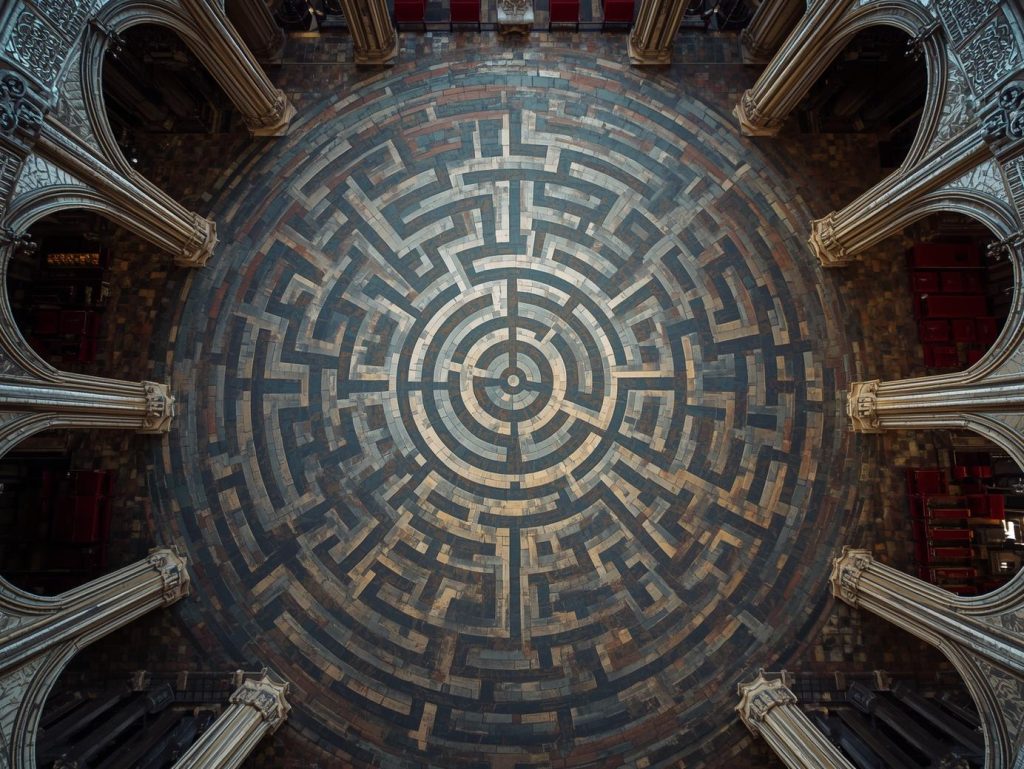 The labyrinth set into the floor of Chartres Cathedral is a historic devotional and architectural feature. Walking or contemplating its single winding path can be used as a reflective practice when access permits, but visitors’ emotional responses vary. The labyrinth should not be described as automatically altering consciousness or activating spiritual energy.
46. Kumano Kodo, Japan
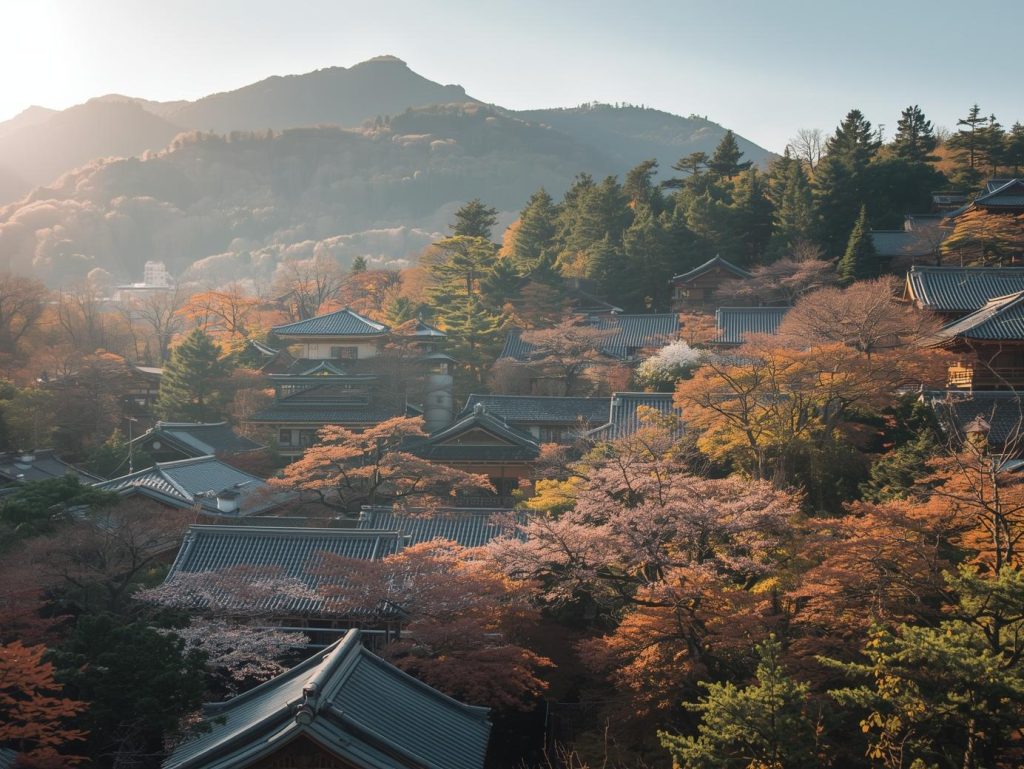 The Kumano Kodo is a network of historic pilgrimage routes through the Kii Peninsula, linking important Shinto-Buddhist sacred sites. Cedar forests, shrines, waterfalls and long periods of walking can make the journey contemplative, but the sense of companionship or presence some travelers describe is a personal interpretation rather than an objective feature of the forest.
47. Arunachala Girivalam Pilgrimage, India
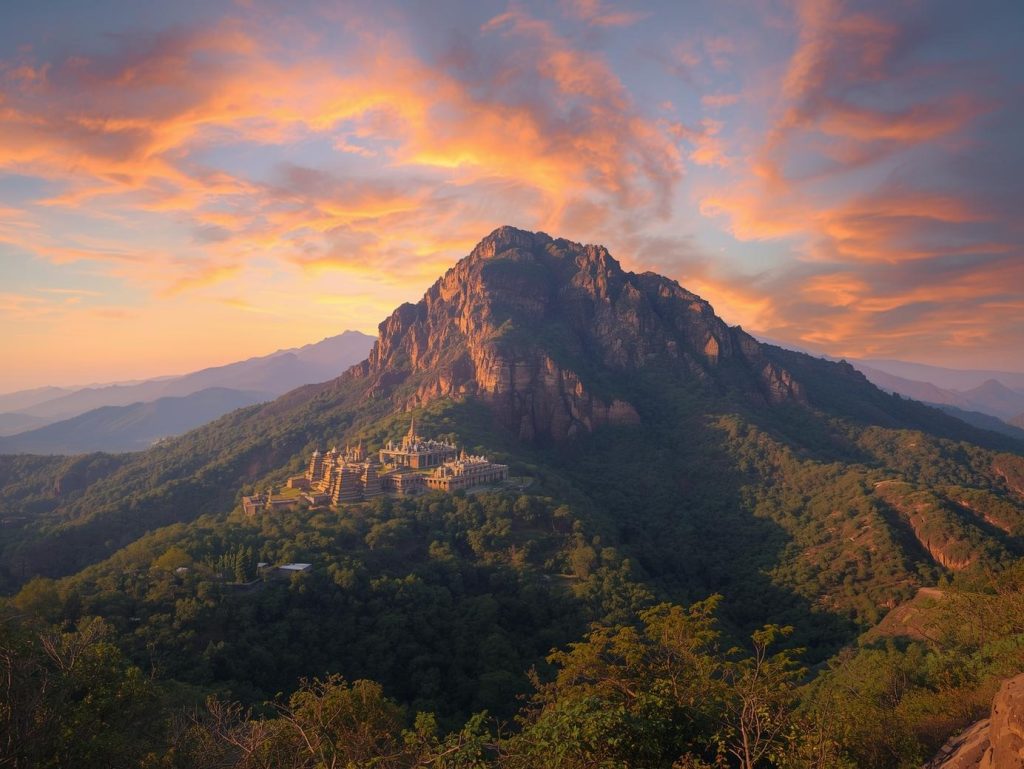 Arunachala is sacred in Shaiva traditions and is associated with Shiva in the form of fire. Many pilgrims perform girivalam, the circumambulation of the mountain, including on full-moon days. Visitors may describe emotional release or spiritual insight, but the pilgrimage should not be presented as objectively cleansing a frequency or physically opening a third eye.
48. Bagan, Myanmar
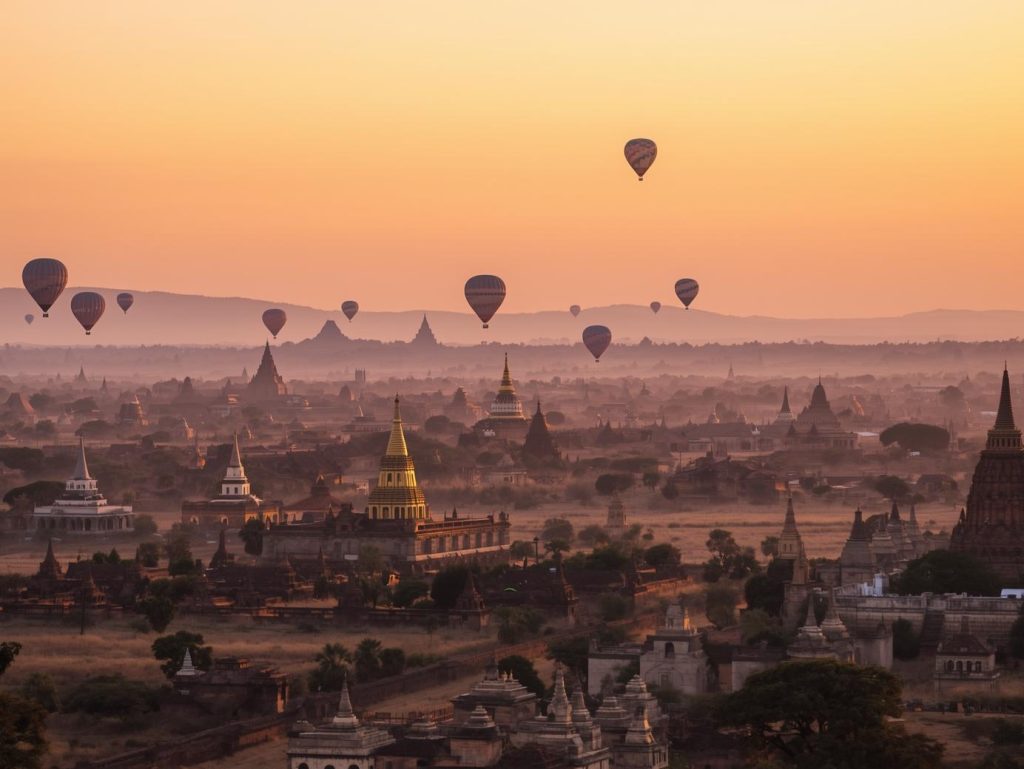 More than 2,000 surviving temples and pagodas spread across the Bagan plain, creating an extraordinary historical landscape. Sunrise can make the silhouettes especially striking. If you experience ringing in your ears while visiting, treat it as an auditory symptom rather than a vibration left by ancient mantras; tinnitus, pressure changes and environmental sound have ordinary explanations.
49. Lalish, Iraq
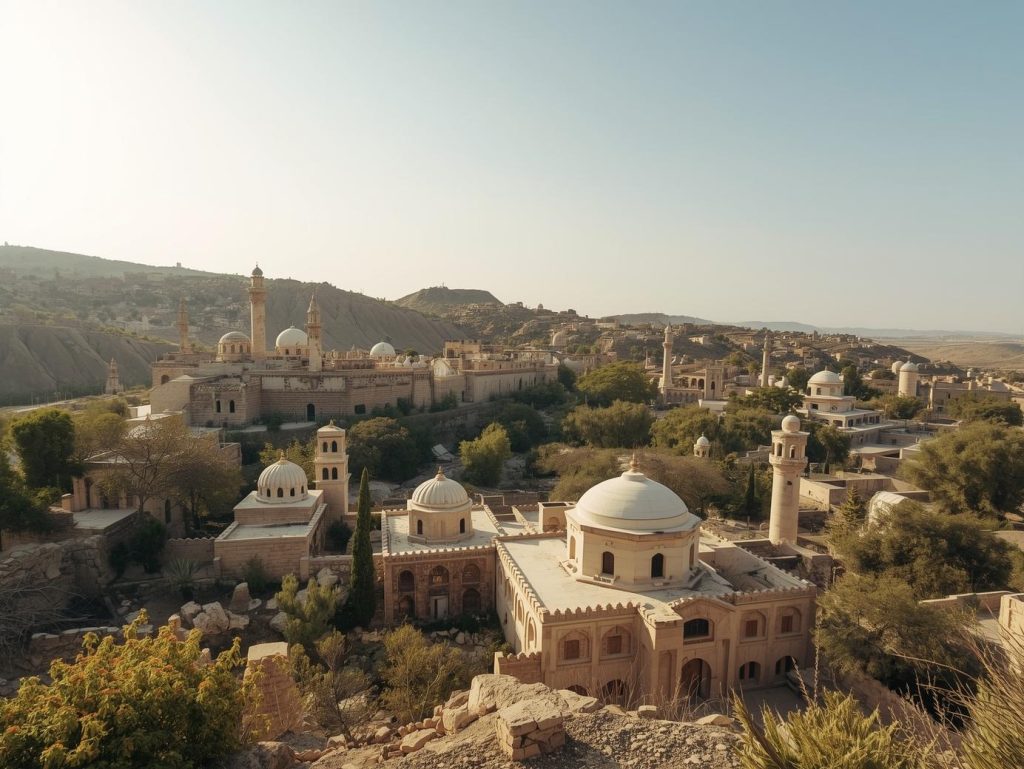 Lalish is the holiest sanctuary in the Yazidi faith and is closely associated with Melek Taus, the Peacock Angel. Pilgrimage, lamps, sacred spaces and ritual practices carry specific religious meanings for Yazidis. Visitors should describe those traditions respectfully rather than reducing Lalish to “protective energy” or treating bodily feelings as proof of a supernatural field.
50. Swayambhunath (Monkey Temple), Nepal
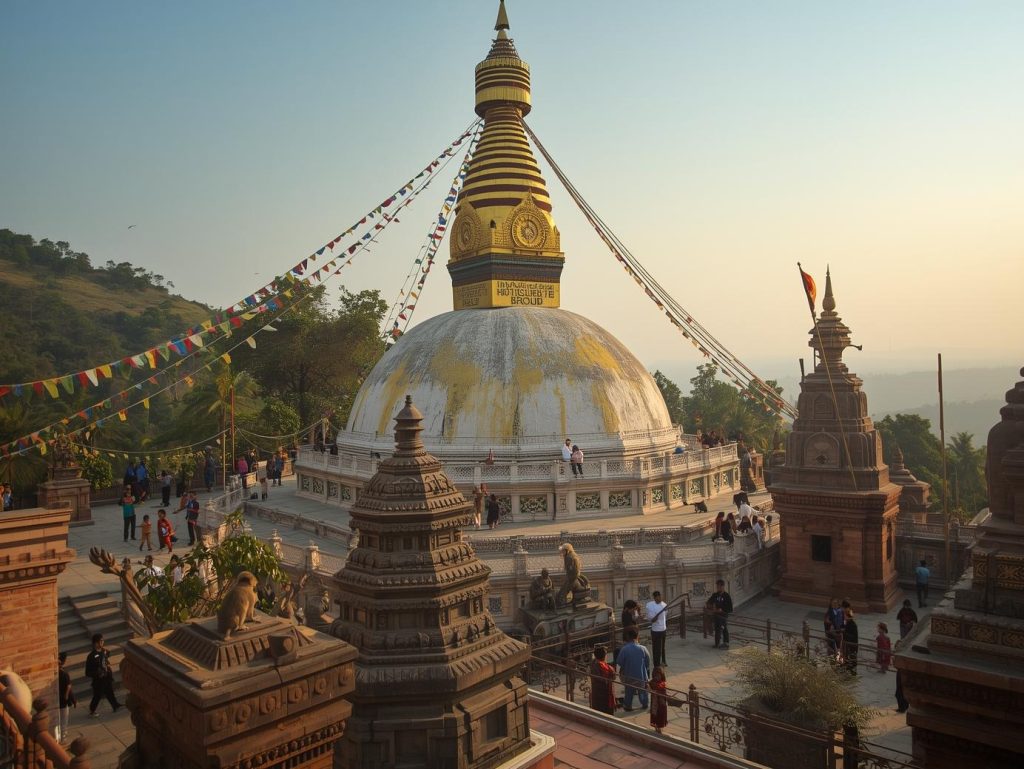 Swayambhunath is an important Buddhist pilgrimage site overlooking Kathmandu, known for its stupa, shrines and long religious history. Traditional accounts connect the site with a primordial lake and the name Swayambhu, often translated as “self-arisen.” Continuous prayer and pilgrimage give the site deep devotional meaning, but they should not be described as creating a scientifically measurable flow of energy.
51. Borobudur at Sunrise, Indonesia
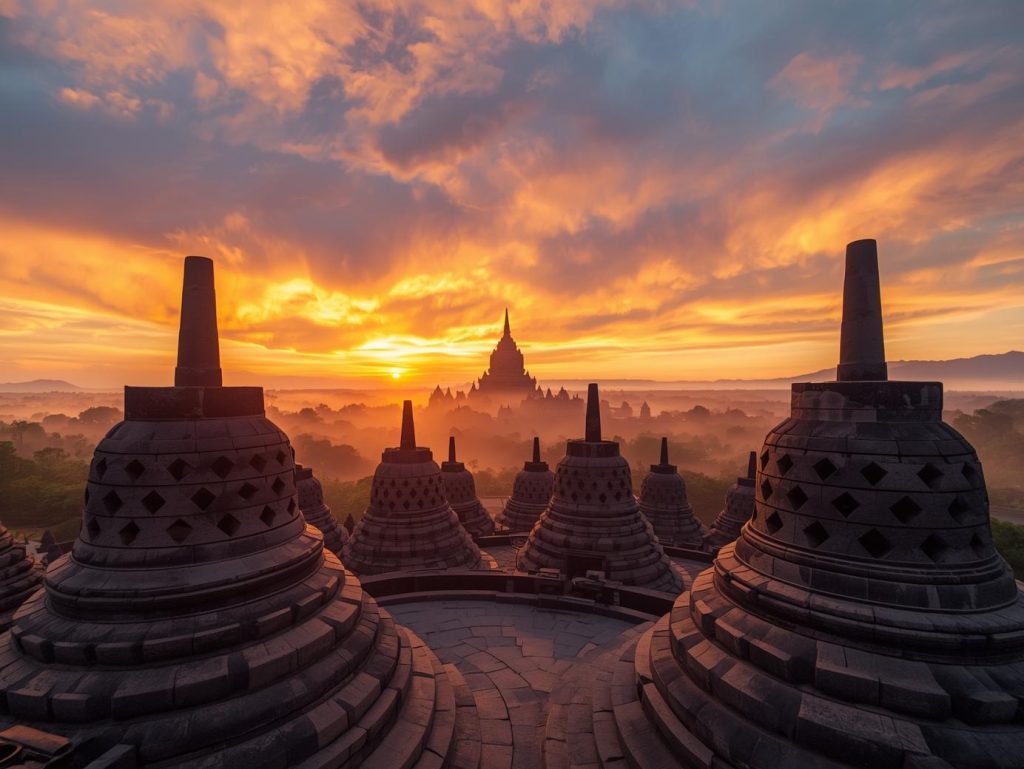 At sunrise, mist and changing light can make Borobudur especially contemplative. Its terraces and Buddhist reliefs are connected to religious teachings and pilgrimage. Some visitors describe tingling or strong emotion, but those sensations do not demonstrate crown-chakra activation or communication with the universe.
52. Dewa Sanzan (Three Sacred Mountains), Japan
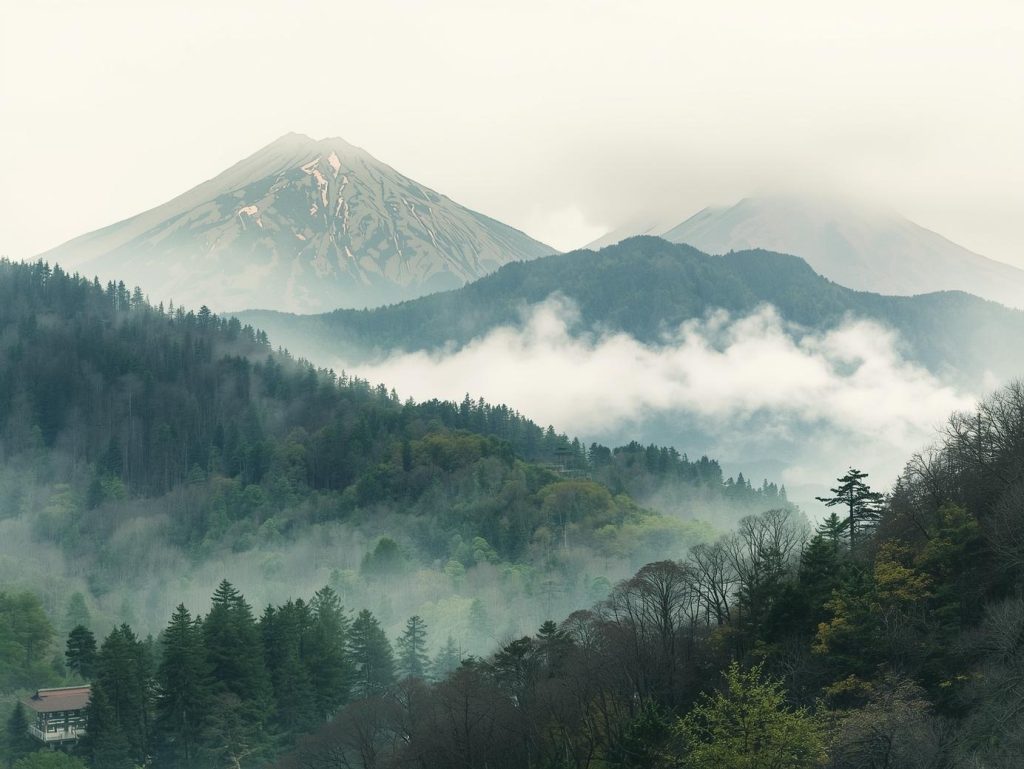 Dewa Sanzan is a sacred mountain pilgrimage tradition associated with Shugendō. Modern explanations often connect Mount Haguro, Mount Gassan and Mount Yudono with themes of birth, death and rebirth. Pilgrims may experience renewal through ritual, effort and religious practice, but the journey should not be presented as guaranteeing psychic renewal or objectively verifiable ancestral blessings.
53. Mount Bongao (Bud Bongao), Philippines
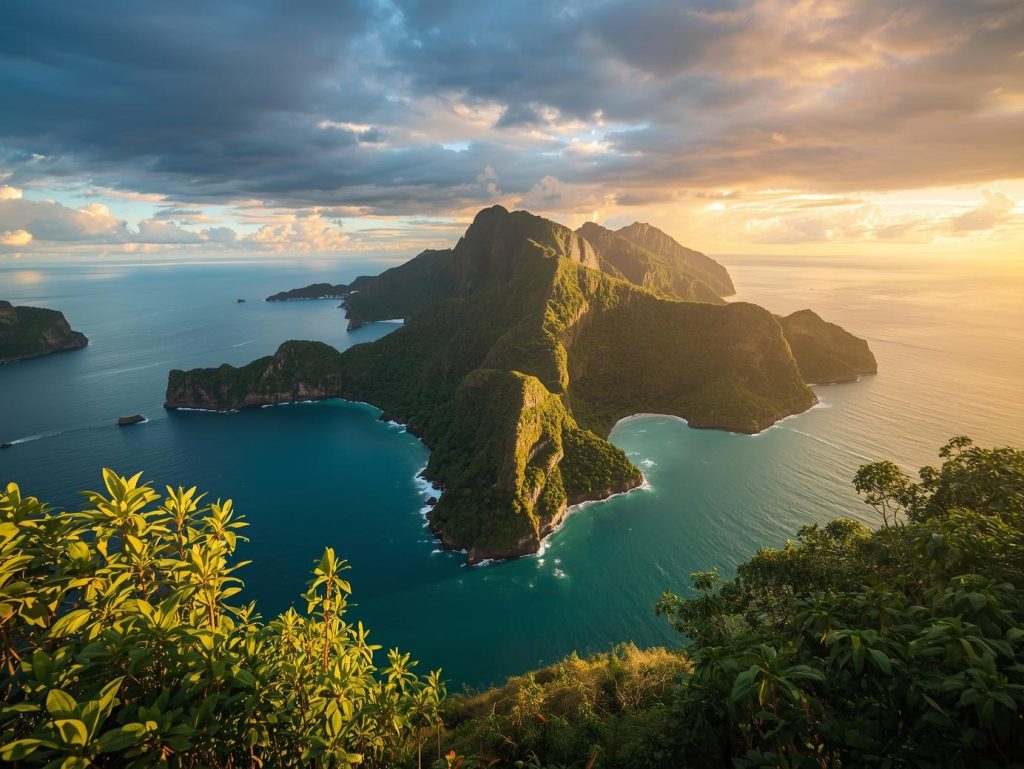 Bud Bongao is a culturally important mountain in Tawi-Tawi and is visited for both recreation and religious or spiritual reasons. Feeding wildlife and other visitor practices should follow current local guidance rather than being generalized as offerings to spirits. Some visitors may attach personal ancestral or spiritual meaning to the climb, but the mountain should not be described as objectively creating reconciliation with ancestors or a verified connection with nature spirits.
54. Shirdi Sai Baba Temple, India
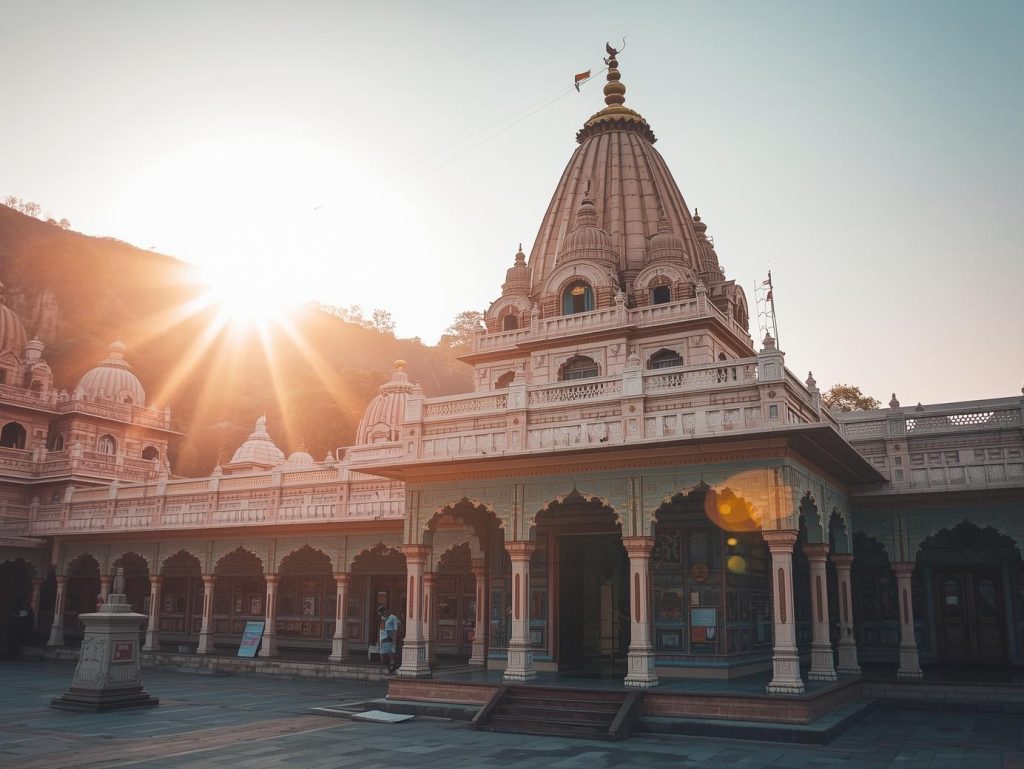 Shirdi is closely associated with Sai Baba and attracts devotees from different backgrounds. Visitors may describe warmth, emotion or a strong sense of devotion near the shrine. Those experiences can be meaningful, but bodily sensations should not be treated as proof of a supernatural presence or a medically measurable energy field.
55. Madhyamaheshwar Temple, Uttarakhand, India
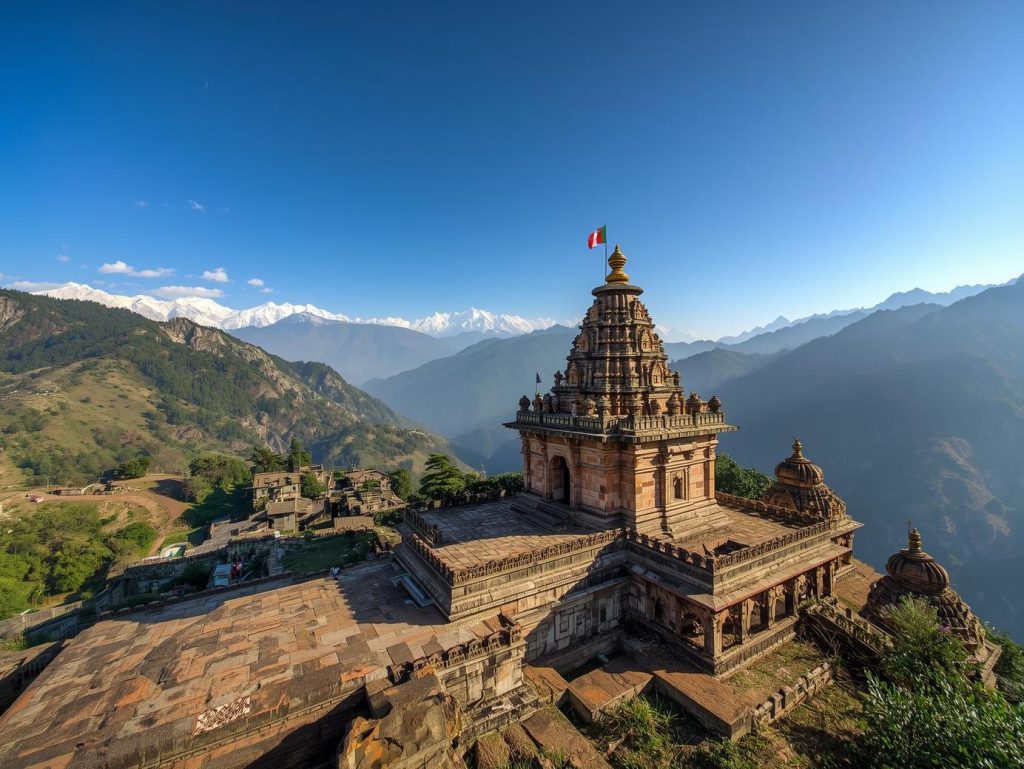 Madhyamaheshwar is a Himalayan Shiva temple associated with the Panch Kedar pilgrimage tradition. Reaching it requires a demanding trek, and visitors may find the mountain setting conducive to prayer or meditation. The physical challenge can be meaningful, but it should not be described as literally purifying the body.
56. Manibandh Shaktipeeth, Rajasthan, India
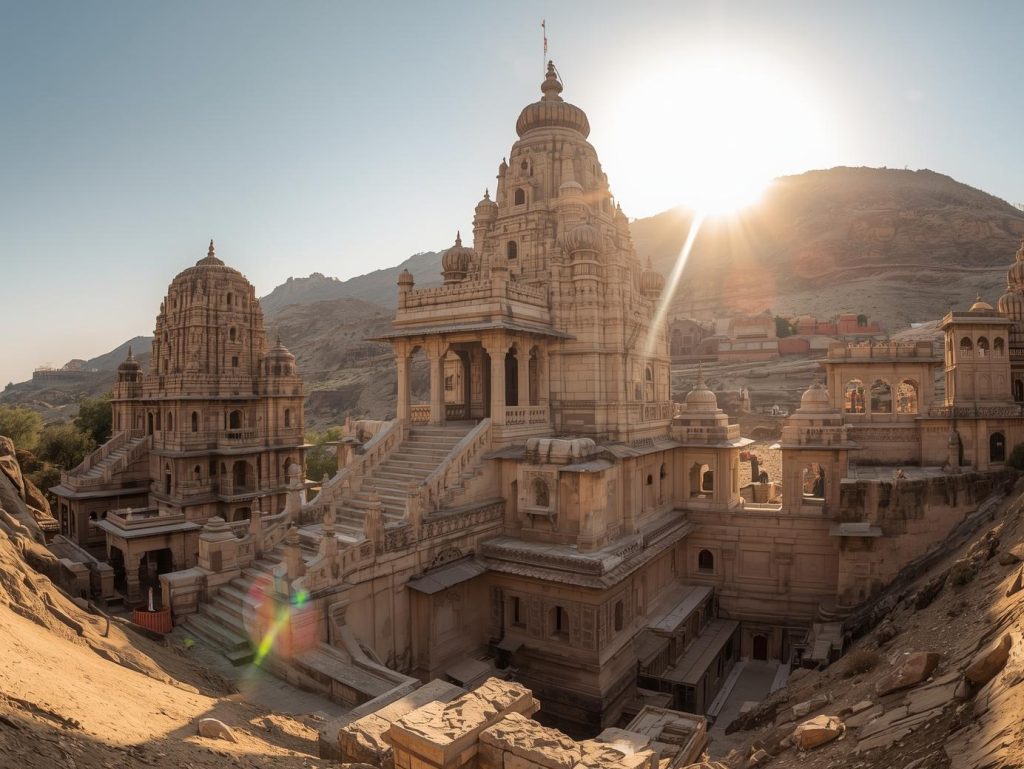 Manibandh Shaktipeeth is revered within Shakta traditions and is associated with stories of the Goddess Sati. Devotees may use the site for prayer, reflection and worship. Kundalini activation and emotional healing are religious or spiritual interpretations rather than guaranteed physiological or psychological effects.
How to Visit a Sacred Site Thoughtfully
You do not need to be psychic to have a meaningful experience at a sacred place. A useful approach is simple attention:
- Learn the site’s history and whose tradition it belongs to before you arrive.
- Follow local instructions and community restrictions.
- Spend a few quiet minutes observing rather than trying to force an experience.
- Journal what you notice without assuming every sensation is supernatural.
- If you feel dizzy, short of breath, unwell or disoriented, respond to the physical symptom first.
About Dowsing, Crystals and Other Spiritual Tools
Some visitors use crystals, pendulums or dowsing rods as part of personal ritual. Those tools may help focus attention, but their movement does not prove that a location contains a measurable psychic field. Pendulums and rods are also influenced by unconscious muscle movement.
Respecting Living Traditions
Many sacred places belong to communities with specific religious, cultural or Indigenous traditions. Respect is more important than collecting a dramatic spiritual story.
- Use the names and terminology preferred by the community.
- Do not copy restricted rituals or ceremonies.
- Do not leave objects, crystals, coins or offerings unless the site’s custodians explicitly permit it.
- Honor requests not to climb, photograph or enter protected areas.
- Support local guides and preservation programs when appropriate.
Uluru and Mauna Kea are good reminders that a visitor’s personal spiritual interpretation does not override the wishes or authority of the people for whom a place is sacred.
Are Sacred Sites Scientifically More Energetic?
Some sites have unusual geology, magnetism, altitude, acoustics or atmospheric conditions. That does not establish a psychic-energy mechanism. Claims that a site increases mediumship accuracy, opens chakras or produces shared visions should be treated as personal reports rather than scientific findings.
Virtual Visits
Photos, documentaries, livestreams and virtual-reality tours can still inspire reflection and learning. They do not reproduce every physical or cultural aspect of visiting a place, but they can be useful when travel is inaccessible.
Related Spiritual Reflection Guide
If travel is not practical, spiritual reflection does not require a supposedly powerful location. See Exploring a Spiritual Path: Reflection Without False Signs for a grounded approach to meditation, ritual, symbols and personal meaning.
Final Thoughts
Sacred places matter because people have invested them with history, devotion, memory, identity and meaning. Mountains, temples, rivers and ancient structures can also inspire awe simply through their scale and beauty.
If a location feels spiritually powerful to you, that experience can be personally meaningful without requiring a claim that the land is scientifically transmitting psychic energy. The most respectful approach is curiosity, humility and attention to the people and traditions connected to the place.
Related Cultural and Spiritual Guides
For a documented example of modern spiritual travel, see The Beatles in India: Meditation, Music and Spirituality. For unusual-history travel where sightings and tourism should be separated from what evidence can establish, see UFO & UAP Destinations: History, Sightings and Reality. For a careful approach to traditions that should not be generalized as one universal “psychic” system, see Indigenous Spiritual Knowledge: Seers, Elders and the Limits of Generalization.
Practical Questions About Sacred Places and Pilgrimage
1. What is a pilgrimage?
A pilgrimage is a journey to a place considered spiritually, religiously or culturally significant. The purpose may include worship, remembrance, gratitude, learning or personal reflection.
2. Are sacred places only connected with organized religion?
No. Sacred places can be temples, churches, mosques, shrines, landscapes, ancestral sites or culturally important gathering places. Meaning depends on the community and tradition.
3. Does a sacred place have scientifically measurable spiritual energy?
There is no established scientific method for proving a site’s spiritual energy. Visitors may still experience awe, meaning, calm or connection through belief, history, landscape and ritual.
4. How can I visit a sacred site respectfully?
Learn local rules, dress and behave appropriately, follow access restrictions, ask before joining rituals, avoid disturbing offerings or natural features and listen to the community that cares for the place.
5. Can I take photographs at every sacred place?
No. Photography may be restricted by worship practices, cultural protocols, conservation needs or local law. Check official guidance and ask permission when the rule is unclear.
6. How should I choose a pilgrimage destination?
Consider the site’s tradition, your purpose, safety, accessibility, cost, season, entry requirements and whether visitors are welcome. Use official information rather than relying only on spiritual claims.
7. Can a pilgrimage replace medical or mental-health care?
No. Travel or spiritual practice may feel supportive, but it should not replace appropriate professional care, medication, crisis help or necessary treatment.
8. What if I cannot travel to a sacred place?
You can create a meaningful local practice through prayer, meditation, study, community worship, nature, remembrance or a virtual visit. Spiritual value does not require expensive travel.


