
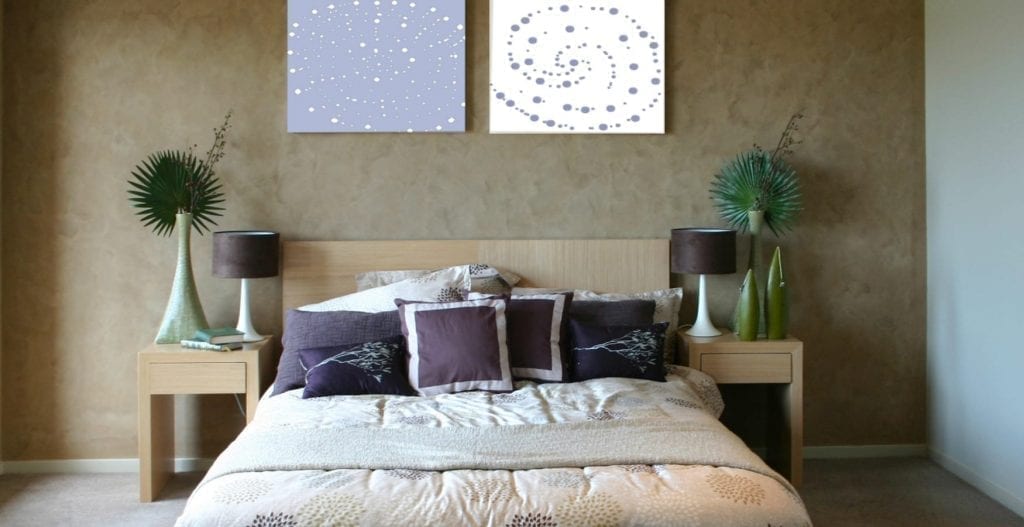
A restful bedroom can begin with something as ordinary as reaching the light switch easily or putting a work bag out of sight. If Feng Shui gives those choices personal meaning, let it be an invitation to care for your space. You can start with the room and belongings you already have.
Feng Shui is a traditional Chinese practice concerned with how people arrange and experience space. Many modern Feng Shui guides apply ideas such as balance, clear pathways and a “command position” to bedrooms.
Those ideas can make a room feel calmer or more intentional, but Feng Shui should not be presented as a medical treatment for insomnia or as proof that furniture placement controls health, relationships or wealth.
For better sleep, combine any Feng Shui-inspired design choices you enjoy with evidence-based sleep habits.
What Actually Supports Better Sleep?
The National Heart, Lung, and Blood Institute recommends making the bedroom cool, quiet and dark, keeping a regular sleep and wake schedule, and reducing bright artificial light and screen use before bed. These practical factors have a stronger evidence base than claims about chi, mirror placement or specific bed sizes.
See the NHLBI healthy sleep habits guide for current sleep recommendations.
1. Choose a Bed That Is Comfortable for You
Feng Shui traditions often emphasize a stable bed and a sense of balance around it. You do not need a specific king- or queen-size mattress to create “good energy,” and a particular mattress size does not determine relationship quality.
Choose a mattress and pillow that feel comfortable, fit the room and meet the needs of the people sleeping there.
2. Try the Feng Shui “Command Position” if You Like It
In many Feng Shui schools, the bed is placed where you can see the bedroom door without positioning the bed directly in line with it. Practitioners call this the command position.
This is a symbolic design preference, not a proven sleep requirement. If another layout works better because of windows, accessibility, heating, noise or room size, practical comfort should come first.
3. Keep Pathways Clear
A less cluttered bedroom can be easier to move through and may feel calmer. You do not need to believe that objects under the bed transmit negative energy while you sleep.
Instead, focus on practical benefits:
- clear walking paths;
- less visual clutter if it distracts you;
- safe access to doors and lights;
- storage that keeps the room usable.
4. Headboards Are Optional
Feng Shui commonly interprets a solid headboard as a symbol of support and stability. Use one if you like the look or physical comfort.
A missing headboard does not make a relationship temporary, and adding one cannot attract a long-term partner.
5. Mirrors Do Not Create Bad Energy
Different Feng Shui schools give different advice about bedroom mirrors. Some avoid mirrors facing the bed; others are comfortable with them.
There is no evidence that mirrors reflect harmful energy or disrupt a relationship. If a mirror catches headlights, sunrise or another source of light that wakes you, move or cover it for the ordinary reason that light can disturb sleep.
6. Prioritize Darkness, Quiet and a Comfortable Temperature
This is where traditional ideas about a restful room overlap with practical sleep guidance.
NHLBI recommends a bedroom that is:
- cool;
- quiet;
- dark;
- comfortable.
Blackout curtains, an eye mask or reducing unwanted noise may help when the environment is disruptive.
7. Bedroom Color Is a Preference, Not a Treatment
Soft or muted colors may feel relaxing to some people, while others sleep perfectly well in brighter rooms. Claims that blue walls directly lower blood pressure enough to improve sleep are too strong.
Choose colors that make the room feel restful to you, but do not expect paint color to treat a sleep disorder. For a broader room-by-room approach to light, color, scent and clutter, see Create a Positive Feeling at Home With Color and Scent.
8. Reduce Bright Screens Before Bed
Older Feng Shui advice sometimes says electronics should be removed because they release harmful “electromagnetic energy.” That is not the reason major sleep organizations recommend limiting devices before bed.
The more practical concerns are bright light, stimulation, notifications and the tendency for phones or television to keep people awake longer. NHLBI advises using the hour before bed for quieter activity and avoiding bright artificial light such as TV and computer screens.
9. Plants Are Optional
Houseplants can make a room feel pleasant, but ordinary bedroom plants do not meaningfully oxygenate a room enough to improve sleep. Choose plants because you enjoy them and can care for them safely.
If allergies, mold or pets are a concern, the bedroom may not be the best place for certain plants.
10. Be Careful With Essential Oils
Scent can be part of a relaxing bedtime ritual, but essential oils are not a cure for insomnia or anxiety. Some oils can irritate skin or airways, and certain products may be unsafe around children or pets.
If you use fragrance, use a small amount and stop if it causes irritation, headache or breathing discomfort.
A Simple Feng Shui-Inspired Bedroom Reset
If you enjoy the symbolic side of Feng Shui, try this practical version:
- Clear enough clutter that the room feels easy to move through.
- Position the bed where you feel comfortable and secure.
- Keep both sides of a shared bed reasonably accessible when the room allows.
- Use lighting that can become dim in the evening.
- Remove or silence unnecessary notifications.
- Choose bedding, colors and objects that make the room feel restful to you.
The benefit comes from creating a space that supports your bedtime routine—not from guaranteeing a particular flow of invisible energy.
A Free One-Change Bedroom Plan
Choose the first practical difficulty you notice. Make one reversible change and see whether the room becomes easier to use. You do not need to rearrange everything or buy matching furniture.
| What you notice | A first change | What to check afterward |
|---|---|---|
| Light reaches your eyes | Adjust an existing curtain or shade, or change the position of an unnecessary light. | Is the light less intrusive while you can still move safely? |
| You cannot comfortably reach the door or switch | Clear the route and keep needed lighting accessible. | Can you use the room without stepping around belongings? |
| Work fills the only bedroom corner | Put papers into a folder and close the work session before your wind-down time. | Is the surface usable and the next task put away? |
| You share the room | Agree on one light, noise or storage change with the other person. | Does the arrangement work for both people? |
Your result: write “I changed ___, and noticed ___.” Keep a helpful change or adjust an awkward one. This is a room-use note, not a score for chi or a test for a sleep disorder.
If you want a symbolic finishing touch, choose a small object that reminds you of rest or steadiness. Keep it clear of walking routes. Its meaning can be personal; it does not need a special price or a promised effect.
An Example: The Bed Cannot Move
In a small rented room, the bed may fit safely in only one place. Rather than forcing a command position, you keep the accessible layout, clear the bedside route and put tomorrow’s paperwork in a closed folder. An existing shade reduces unwanted glare.
Then you notice the practical result: the room is easier to move through and the desk is no longer the last thing you read at night. Whether sleep changes is a separate observation. One better or worse night cannot establish what caused it.
For persistent insomnia, bedroom styling may be only a small part of the picture. NHLBI’s insomnia treatment guide describes cognitive behavioral therapy for insomnia, usually the first treatment option for long-term insomnia. Ask a qualified clinician about appropriate care rather than adding more room rules.
When Sleep Problems Need More Than Bedroom Design
If you regularly have trouble falling asleep, staying asleep, wake too early, or feel excessively sleepy during the day, changing furniture may not address the cause.
Persistent sleep problems can be related to insomnia, sleep apnea, medications, stress, medical conditions or other factors. NHLBI recommends discussing ongoing sleep problems with a healthcare professional.
Final Thoughts
Feng Shui can be an enjoyable way to think about balance, simplicity and intention in a bedroom. Keep it in that role.
For actual sleep quality, prioritize enough time for sleep, consistent timing, a cool and dark room, reduced nighttime stimulation and appropriate care when sleep problems persist.
Frequently Asked Questions
1. Can Feng Shui cure insomnia?
No. Feng Shui may help you create a bedroom you find relaxing, but it is not an evidence-based treatment for insomnia.
2. Does a bed have to face a certain direction?
No direction is medically required for better sleep. Feng Shui schools may have symbolic preferences.
3. Are mirrors bad for sleep?
Not because of energy. A mirror can be disruptive only if it reflects unwanted light or movement that bothers you.
4. Should electronics be removed from the bedroom?
Reducing screens and notifications can support sleep. The concern is light and stimulation, not harmful spiritual energy.
5. What bedroom conditions have stronger evidence for sleep?
A cool, quiet, dark sleeping environment and a consistent sleep schedule are among the habits recommended by NHLBI.
6. When should I talk to a doctor about sleep?
If sleep problems persist, significantly affect daytime functioning or involve symptoms such as loud snoring or breathing interruptions, seek appropriate medical evaluation.


