
Spirituality on Screen
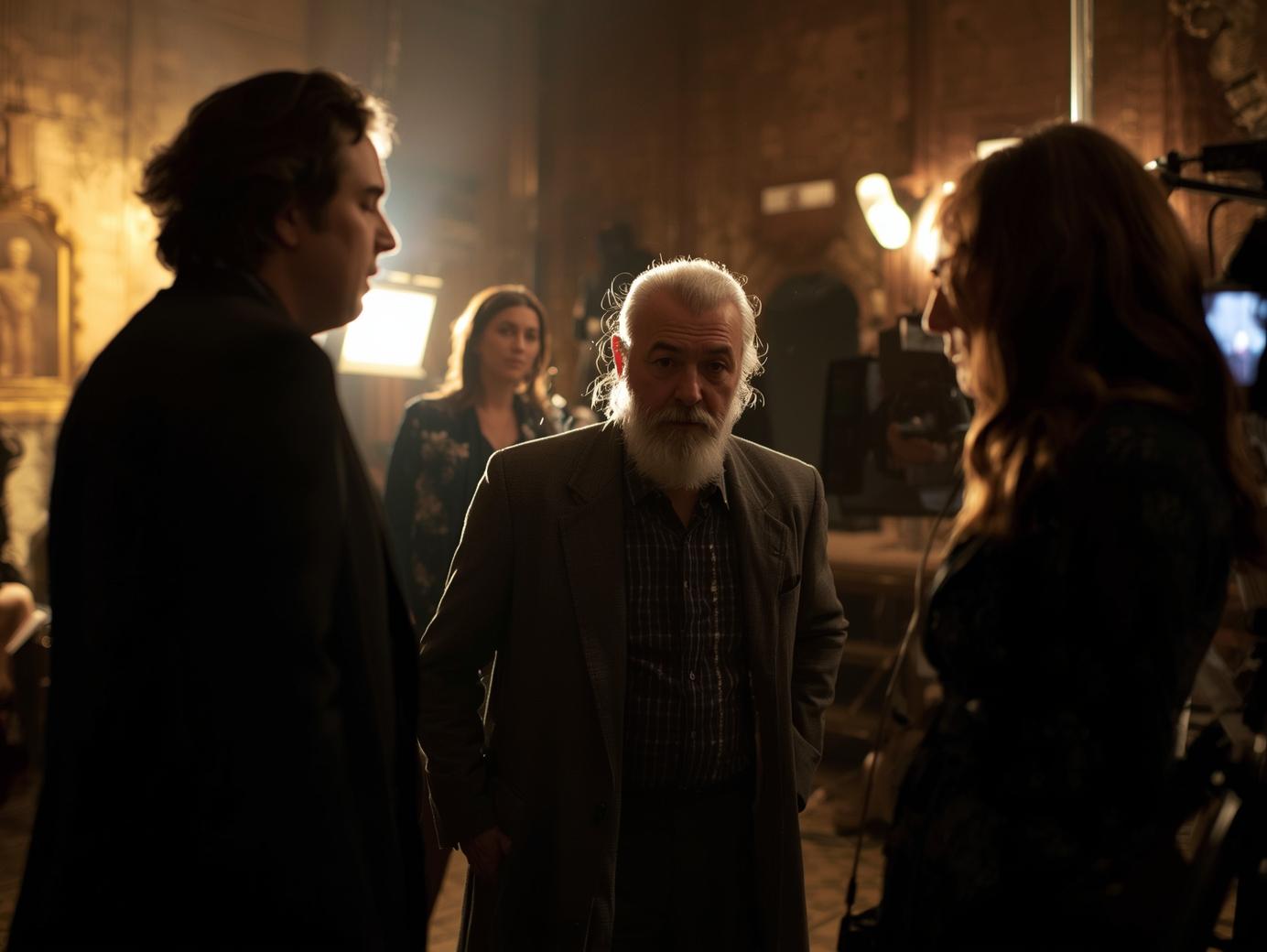
Film and television have long used prophecy, visions, astrology, divination, ritual, altered states and religious symbolism. When these subjects are central to a story, productions may seek specialist advice to avoid clichés or cultural mistakes.
It is important, however, not to overstate the trend. There is no basis for treating “spiritual consultant” as a standard Hollywood job category or assuming studios routinely hire psychics, mediums or astrologers. Documented productions are more commonly known to use historical, cultural, religious, medical, psychological, dialect, movement, intimacy and technical consultants.
What a Spiritual or Metaphysical Consultant Could Mean
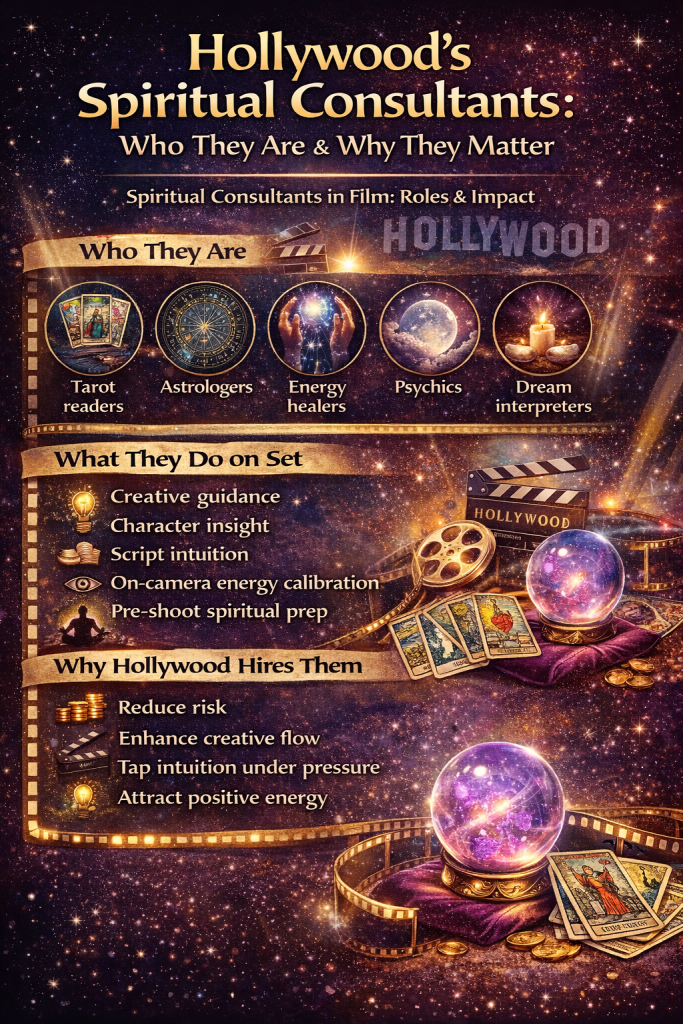
The phrase “spiritual consultant” is informal and can mean different things. On a specific production it might refer to:
- a religious or theological advisor;
- a cultural consultant familiar with a community’s practices;
- a historian of ritual, divination or esoteric movements;
- a movement or meditation teacher helping with a physical practice;
- a practitioner invited to describe how a contemporary spiritual community understands its own beliefs.
A psychic, astrologer or energy practitioner could theoretically be consulted for lived-experience perspective, but that should not be reported as a widespread studio practice without documentation.
Cultural-authenticity consulting is a documented entertainment-industry role. For example, SAG-AFTRA profiles producer and consultant Ben Lopez and describes his cultural-authenticity consulting work across major film and television projects. That supports the narrower point that productions use specialist cultural expertise; it does not show that psychics or metaphysical practitioners are standard production staff. See SAG-AFTRA’s consultant profile.
Accuracy Matters More Than Mystique
A consultant’s strongest contribution is often preventing a practice from being flattened into generic “mysticism.” Tarot, astrology, mediumship, Indigenous ceremony, Hindu practice, Buddhist meditation and folk traditions are not interchangeable.
When a story borrows from a living tradition, productions should prioritize people with genuine cultural, historical or religious expertise.
Consultants Do Different Jobs
A cultural consultant is not a therapist. A spiritual practitioner is not automatically a historian. A meditation teacher is not qualified to diagnose mental health. Productions should match expertise to the question being asked.
For example, a film about grief visions may need separate input from a grief specialist, a cultural advisor and, if relevant to the story, a practitioner from the spiritual tradition being portrayed.
Writing Intuition Without Calling It Science
Writers often portray a character “knowing” something before they can explain why. That can be written through observation, memory, pattern recognition, dream imagery or a supernatural premise, depending on the genre.
If the story is explicitly paranormal, it can establish its own fictional rules. If it claims realism, intuition should not be justified with inaccurate neuroscience or quantum-physics language.
Writing Psychic Visions
A vision does not need flashing lights and dramatic sound design to be legible to an audience. Writers can build ambiguity through:
- fragmented imagery;
- recurring symbols;
- uncertain memory;
- sensory details;
- conflicting interpretations.
That often creates a more interesting scene than declaring every image an objective message.
Writing Dreams and Premonitions
Dreams can function as symbolism, foreshadowing or supernatural devices. A consultant can help a writer distinguish ordinary dreaming from the fictional mechanics of a precognitive dream.
For real-world context, see Can Dreams Predict the Future?.
Actors and Emotionally Intense Material
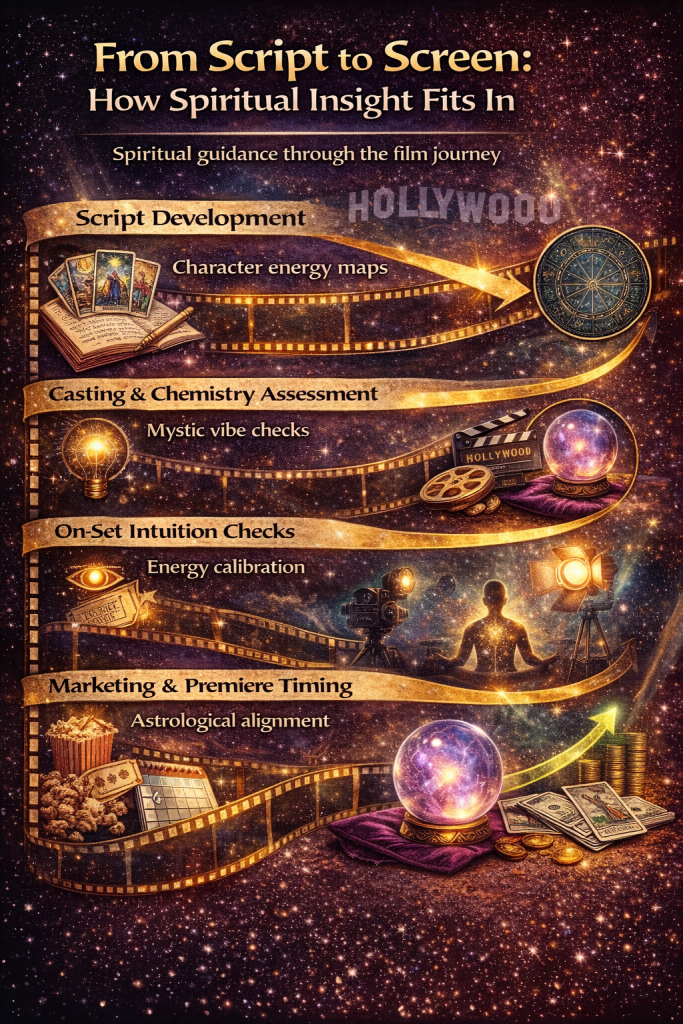
Actors may use breathing, movement, visualization or other preparation methods. Those techniques should be described accurately. Slow breathing can be a grounding tool; “energy clearing” is a spiritual interpretation, not an evidence-based mental-health treatment.
For scenes involving trauma, grief or psychiatric symptoms, licensed mental-health expertise may be more appropriate than a mystical practitioner.
Psychological Safety on Set
SAG-AFTRA’s standards and protocols for intimacy coordinators describe a trained professional role that supports communication, continued consent, performer safety and intimate-scene choreography. The right support depends on the scene; intimacy coordinators, stunt professionals, mental-health consultants and other specialists have distinct areas of expertise.
A spiritual consultant should not be used as a substitute for those roles.
Cultural Appropriation and Sacred Practices
One of the biggest risks in mystical storytelling is combining sacred traditions into an invented generic ritual. Responsible productions should ask:
- Which specific community does this practice come from?
- Is it appropriate to depict publicly?
- Who has authority to explain it?
- Are sacred objects or titles being used accurately?
- Does the story imply that one tradition represents all Indigenous, Asian, African or other communities?
Myth, Archetype and Story Structure
Writers can use archetypes without claiming they are universal psychic laws. Mentors, thresholds, shadows and transformations are storytelling patterns. Their usefulness comes from narrative structure and cultural familiarity, not from proof of an unseen energy system.
Astrology or Tarot in a Fictional Story
If a character uses astrology or tarot, a knowledgeable practitioner can help the props and terminology feel authentic. That does not require the production to endorse the practice as scientifically predictive.
A well-written scene can show both what the character believes and what remains uncertain.
When a Practitioner Is the Right Consultant
A practitioner’s lived experience may be valuable when a production wants to portray how a real community talks, behaves or performs a non-secret practice. The production should still distinguish personal testimony from historical or scientific expertise.
When Claims Need Verification
Articles about Hollywood should avoid anonymous claims such as “studios are increasingly hiring psychics” or invented examples of unnamed directors who supposedly used astrologers. If a production, actor or filmmaker publicly documents a consultant, that specific example can be cited. Otherwise, it is better to discuss the potential role without presenting it as an established industry trend.
Spirituality Is a Theme, Not a Mental-Health Treatment
Mindfulness, breathing and reflective ritual can appear in stories, but spiritual language should not be used to explain away trauma, psychosis, depression or other mental-health conditions. Fiction can explore ambiguity while still avoiding harmful real-world implications.
Why Audiences Care About Authenticity
Viewers who know a tradition can quickly notice when terminology, clothing, ritual or symbolism has been mixed carelessly. Better research improves storytelling even when the film is supernatural or fantastical.
Final Thoughts
Hollywood has always been interested in mystery, transformation and the unseen. The responsible trend to emphasize is better specialist research—not an unsupported claim that psychics are becoming standard members of film crews.
When spiritual themes are handled well, productions can combine imagination with cultural specificity, historical context and clear boundaries between belief, psychology and fact.
Frequently Asked Questions
Do Hollywood studios routinely hire psychics?
There is no basis for treating that as a standard industry practice. Specific documented examples should be cited individually.
What is a spiritual consultant in film?
It is an informal term that may refer to a religious, cultural, historical or practitioner perspective, depending on the production.
Is a spiritual consultant the same as a cultural consultant?
No. Cultural consultation requires expertise in the specific community or tradition being represented.
Can a psychic consultant replace a psychologist on set?
No. Mental-health questions require qualified mental-health expertise.
Can tarot or astrology appear authentically without endorsing them as fact?
Yes. A story can accurately portray a character’s practice while leaving supernatural claims open.
Why use consultants for spiritual themes?
They can improve terminology, ritual detail, cultural context and the credibility of a character’s lived experience.
What is the biggest cultural risk?
Combining distinct sacred traditions into one generic mystical practice or presenting one community as representative of many others.
How should articles report consultant trends?
Use named, documented examples and avoid generalizing from anecdotes into an industry-wide claim.
Related Guides
For a closer look at how psychic ideas work in storytelling, see Psychic Characters in Fiction: Seers, Mediums & Myths. Writers can also explore Tarot for Writers: Creative Prompts for Storytelling without treating fictional symbolism as real-world evidence.
For a related popular-culture example, explore how fictional psychics, seers and mediums shape audience expectations.


